


Images Depict Mature Plants
Red Yucca
Hesperaloe parviflora
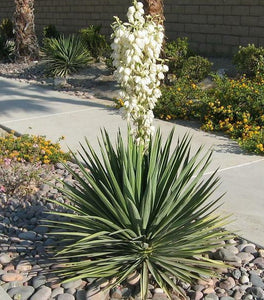
I've always liked Red Yucca because it delivers the kind of dramatic flower display you would expect from a much more demanding plant. The tall coral-red flower spikes are especially impressive when hummingbirds begin visiting them, and I love how they rise above the graceful, blue-green foliage. One of the biggest advantages is its exceptional drought and heat tolerance once established. For homeowners designing xeriscapes, rock gardens, or sunny borders, Red Yucca offers an architectural look without requiring constant watering or maintenance. I particularly enjoy combining it with ornamental grasses and other drought-tolerant perennials because the different foliage textures create a beautiful, natural planting. My biggest recommendation is to give Red Yucca plenty of sunlight and outstanding drainage. Avoid heavy, wet soil, especially during winter. If you provide the right location, this is a durable, long-blooming perennial that can bring years of beautiful color and hummingbird activity to your landscape.
$55.96 with code SAVINGS20 at checkout Save $13.99
FREE Ground Shipping on orders over $49.99
This weekend only - ends Mon 11/23 at 12 PM ET
📦 Free shipping on orders over $99.
Delay shipping by leaving us a message at Checkout.
Share:Recommended Add-Ons


Red Yucca Plants for Drought-Tolerant Gardens and Hummingbird-Friendly Landscapes
Attract Hummingbirds with Long-Blooming Red Yucca Plants
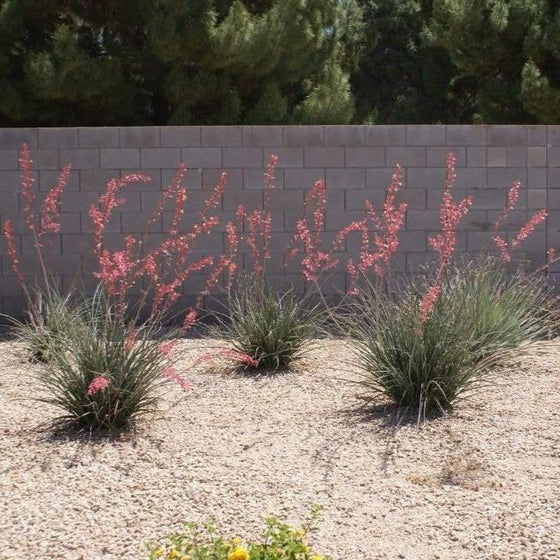
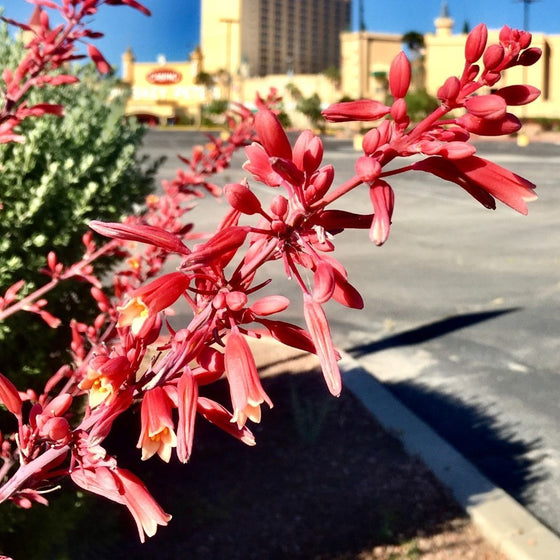
Red Yucca is one of the most rewarding flowering perennials for homeowners who want to attract hummingbirds while creating a dramatic summer flower display. Its tall, slender flowering stalks produce numerous tubular blossoms in shades of coral-red, pinkish-red, and salmon. These nectar-rich flowers are especially attractive to hummingbirds, which visit the blooms throughout the flowering season. Unlike many perennials that concentrate their flowers close to the foliage, Red Yucca sends its blossoms high above the plant's graceful, arching leaves, creating a striking vertical display that stands out in sunny landscapes.
The flowering season typically begins in late spring and continues well into summer, often extending longer in favorable climates. Multiple flower stalks can emerge from established plants, providing an impressive combination of height, color, and movement. Red Yucca is particularly effective in hummingbird gardens, pollinator borders, and water-wise landscapes where dependable flowers are needed during hot weather. Plant several specimens together to create repeating waves of coral-red color, or use a single plant as an ornamental focal point. Its distinctive flowers and low-maintenance nature make it a valuable addition to sunny residential gardens.
Create Beautiful Water-Wise Landscapes with Drought-Tolerant Red Yucca
Red Yucca is an outstanding choice for xeriscaping and low-water landscape designs because it is naturally adapted to hot, relatively dry growing conditions. Once established, the plant tolerates extended periods without supplemental irrigation, making it especially useful for homeowners who want attractive landscapes with reduced watering requirements. Its tough, arching foliage remains ornamental through much of the year, while the dramatic flower spikes provide seasonal color without the intensive maintenance associated with many traditional flowering perennials.
For the strongest performance, plant Red Yucca in full sun and sharply well-drained soil. Sandy, gravelly, rocky, and other relatively lean soils are particularly suitable. Avoid locations where water accumulates, especially during winter, because excessive moisture around the roots can lead to decline. Red Yucca combines exceptional heat tolerance with attractive foliage and colorful flowers, making it ideal for exposed sunny borders, gravel gardens, and drought-conscious landscapes. Pair it with ornamental grasses, sedums, agaves, and other drought-tolerant plants to create a layered landscape that remains attractive through hot, dry weather.
Add Architectural Interest with Evergreen Red Yucca Foliage
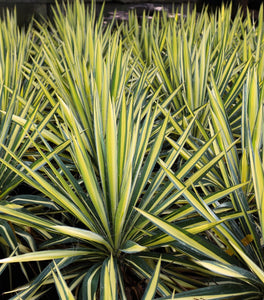
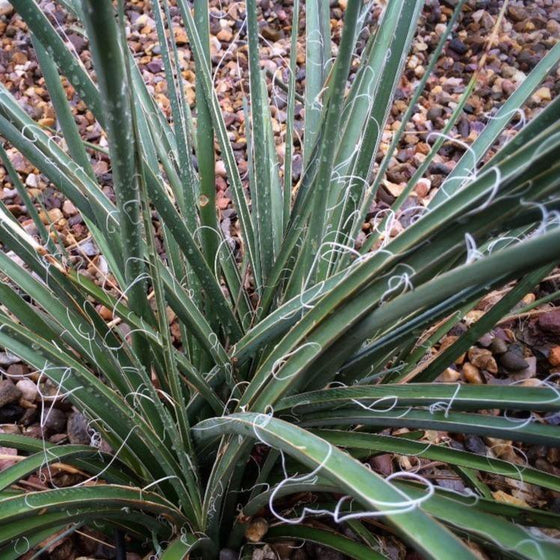
One of the most distinctive features of Red Yucca is its graceful, fountain-like foliage. Long, narrow blue-green leaves arch outward from a dense basal clump, creating a sculptural appearance that contrasts beautifully with broadleaf shrubs and traditional flowering perennials. Fine white filaments along the leaf margins add texture and give the foliage a distinctive ornamental character. Although Red Yucca resembles some true yuccas, its leaves are generally more flexible and less rigid, contributing a softer appearance to the landscape.
The foliage mound typically reaches approximately 2 to 3 feet tall and wide, while the flowering stems rise considerably higher. This creates a useful layered effect, with low, arching evergreen leaves supporting a much taller seasonal flower display. In colder locations, foliage may develop reddish-purple or bronze tones during winter, adding another element of seasonal interest. Red Yucca is an excellent choice for contemporary landscapes, rock gardens, and architectural plantings where bold shape and contrasting texture are important. Its form makes a strong statement even when the plant is not actively flowering.
Enjoy Coral-Red Flowers Throughout the Summer Garden
Red Yucca produces showy coral-red to pinkish-red tubular flowers that provide a striking contrast against its blue-green foliage. The blossoms develop along tall, open flower stalks, creating an airy appearance that adds height without becoming visually heavy. This makes the plant particularly useful behind low-growing perennials or among ornamental grasses, where its colorful flowers can rise above neighboring foliage. The flowers are especially attractive when backlit by morning or evening sunlight, emphasizing their warm tones and delicate form.
For homeowners designing colorful summer landscapes, Red Yucca pairs beautifully with yellow coreopsis, purple salvia, ornamental grasses, and other sun-loving plants. Its coral-red flowers can also provide a strong accent against natural stone, gravel, and darker evergreen shrubs. Because the flowering season often extends over several months, Red Yucca delivers lasting visual interest during a period when many gardens experience significant heat stress. Its combination of vivid flowers and reliable performance makes it an excellent centerpiece for summer-blooming, water-wise gardens.
Grow Red Yucca in Rock Gardens, Slopes, and Sunny Borders
Red Yucca is exceptionally well suited to rock gardens, gravel beds, sunny slopes, and other landscape locations where good drainage is essential. Its architectural foliage creates a strong visual accent among stones and low-growing plants, while its elevated flower stalks introduce height and seasonal color. The plant's drought tolerance makes it particularly valuable in landscapes where frequent irrigation is impractical. It can also help create a naturalistic appearance when repeated in small groups throughout a larger planting area.
For slopes and exposed planting beds, Red Yucca provides ornamental structure without developing the dense, woody canopy associated with larger shrubs. Its clumping growth habit allows it to fit naturally among ornamental grasses and drought-tolerant perennials. Large containers with excellent drainage can also showcase its arching foliage and dramatic flowers, particularly on sunny patios and courtyards. Red Yucca is a versatile landscape plant that combines the visual impact of an architectural specimen with the practical advantages of a drought-tolerant perennial, making it a strong choice for both contemporary and naturalistic garden designs.
Enjoy Low-Maintenance Beauty with Hardy Red Yucca Plants
One of the greatest benefits of Red Yucca is its remarkably simple maintenance requirements once established. In a sunny location with well-drained soil, this durable perennial generally needs little supplemental fertilizer, limited pruning, and only occasional watering during prolonged dry periods. Its naturally arching foliage develops without formal shaping, allowing gardeners to enjoy its distinctive appearance without constant trimming. Removing spent flower stalks after blooming and cleaning away damaged foliage are usually the main seasonal maintenance tasks.
Red Yucca is especially valuable for homeowners who want beautiful flowering plants that can tolerate summer heat and demanding landscape conditions. Although the plant is often described as deer resistant, browsing can occur, so it should not be considered completely deer proof. Proper drainage is also essential, particularly in colder or wetter regions. By combining hummingbird-attracting flowers, drought tolerance, and bold evergreen texture, Red Yucca offers an appealing solution for homeowners seeking a beautiful, low-maintenance landscape that performs well in full sun.
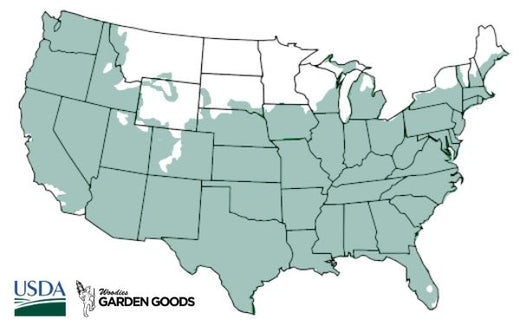
| Hardiness Zone: | 5-11 |
|---|---|
| Mature Height: | 2 to 3 feet of foliage; flower stalks approximately 4 to 6 feet tall |
| Mature Width: | 2 to 3 feet commonly listed for the foliage mound; may expand wider with age |
| Sunlight: | Full sun; tolerates light partial shade |
| Bloom Time / Color: | Late spring through summer / Coral-red; salmon; pinkish-red; yellow centers |
| Soil Condition: | Sharply well-drained; sandy; rocky; gravelly; lean soils |
| Water Requirements: | Moderate during establishment; low once established |
| Wildlife Value: | Attracts Hummingbirds; butterflies; bees; other nectar-feeding insects |
| Resistance (deer/disease/drought/etc.): | Drought once established; heat; dry soil; salt; urban pollution; erosion; some deer browsing tolerance |
How to Care for Red Yucca
Before you buy a Red Yucca Plant, make sure to read Woodies care instructions to keep this plant healthy and thriving.

How do I plant Red Yucca?
Choose a planting location that receives full sun and has sharply well-drained soil. Dig a hole approximately twice as wide as the root ball and no deeper than the root ball itself. Carefully remove the plant from its container and position the crown level with or slightly above the surrounding soil. Backfill using the original soil, gently firm it, and water thoroughly to settle the roots. Red Yucca performs particularly well in sandy, gravelly, and rocky planting areas. Space plants approximately 3 to 4 feet apart for most landscape groupings, allowing additional room if larger mature clumps are desired. Avoid burying the crown beneath heavy mulch or allowing water to collect around the base. In heavy clay soils, improving drainage or planting on a raised mound may be necessary. Excellent drainage is the most important factor for long-term success with Red Yucca.

How often should I water Red Yucca?
Newly planted Red Yucca needs regular watering during establishment to encourage healthy root development. Water thoroughly after planting and check the surrounding soil periodically. Allow the upper portion of the soil to dry between waterings, rather than keeping the root zone continuously wet. Watering frequency depends on local rainfall, temperatures, and soil conditions. Once established, Red Yucca is exceptionally drought tolerant and generally requires supplemental irrigation only during extended dry periods. Plants grown in containers may need more frequent watering than those planted in the ground. Avoid excessive irrigation, especially during cool or wet weather, because prolonged soil saturation can encourage root rot.

What is the best fertilizer for Red Yucca?
Red Yucca typically requires very little fertilizer when planted in suitable soil. This tough perennial is naturally adapted to relatively lean growing conditions and often performs well without routine feeding. If a soil test indicates a nutrient deficiency or growth is unusually weak, apply a light amount of balanced, slow-release fertilizer in early spring. Avoid heavy applications of nitrogen-rich fertilizers, which may encourage soft foliage growth without improving flowering performance. Good drainage, adequate sunlight, and careful watering generally contribute more to plant health than frequent fertilization. Established Red Yucca plants rarely require an intensive feeding program.

When should I prune Red Yucca?
Red Yucca needs minimal pruning because its naturally arching foliage creates an attractive, fountain-like shape without formal trimming. After flowering, remove spent flower stalks by cutting them close to the base of the plant. This improves the overall appearance and prevents old stalks from distracting from the foliage. In late winter or early spring, remove brown, damaged, or weathered leaves as needed. Avoid shearing the entire plant into a tight mound, which can spoil its natural form. Seasonal cleanup rather than extensive pruning is the best approach for maintaining healthy, attractive Red Yucca.