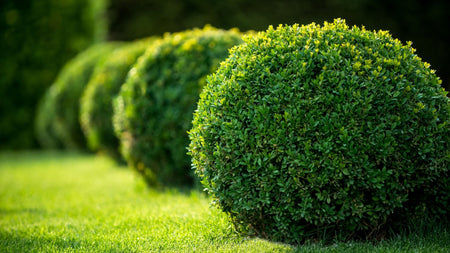
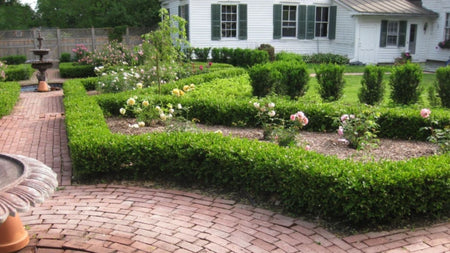
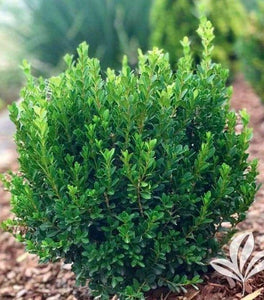
Images Depict Mature Plants
North Star® Boxwood
Buxus sempervirens 'Katerberg'
North Star is a good boxwood for customers who want neat evergreen structure without signing up for constant shearing. It stays compact, holds a rounded shape, and keeps strong green color through winter, which makes it especially useful along walks, foundations, herb gardens, and low borders. I like it where a larger boxwood would be too much. Give it well-drained soil, mulch the shallow roots, water it well before winter if fall is dry, and prune lightly only when needed to shape it.

20% OFF NON-SALE ITEMS, USE CODE 'KICKSTART20'
📦 Free shipping on orders over $99.
Delay shipping by leaving us a message at Checkout.
Share:Recommended Add-Ons


North Star Boxwood Creates Dense Evergreen Structure With Minimal Pruning
Compact Evergreen Color for Low Hedges and Borders
North Star® Boxwood is a compact evergreen shrub prized for its dense globe-like habit, dark green foliage, and clean year-round structure. It naturally stays small and rounded, making it an excellent choice for low hedges, border edges, foundation plantings, formal garden lines, and tidy front-yard evergreen accents.
This is a boxwood for homeowners who want structure without constant trimming. Its foliage stays rich green through winter better than many boxwoods, helping the landscape look finished even when perennials are dormant and deciduous shrubs have dropped their leaves. Use North Star for a neat evergreen outline that feels classic, polished, and easy to maintain.
Naturally Rounded Growth With Little Pruning Needed
North Star Boxwood grows as a dense, mounded globe and typically reaches about 2 to 3 feet tall and wide. Its compact growth makes it especially useful in smaller spaces where larger boxwoods would need frequent pruning. It can be lightly shaped, but it does not need constant shearing to maintain an attractive form.
Plant it as a low hedge along a walkway, repeat it along a foundation, use it to edge a formal herb garden, or place it in containers for a clean evergreen accent. Its slow-to-moderate growth rate is an advantage in structured landscapes because it holds its size and shape without becoming too large too quickly.
Dark Green Foliage That Holds Winter Color
The biggest visual strength of North Star Boxwood is its shiny, dark green foliage. The leaves form a dense evergreen canopy that gives beds structure year-round. In winter, North Star is especially valuable because it maintains good color and helps prevent the washed-out look that some evergreens develop in cold weather.
Like all broadleaf evergreens, it benefits from good fall watering, mulch, and protection from harsh winter wind in exposed sites. When planted in a suitable location and watered before the ground freezes during dry autumns, North Star can stay attractive through winter with less bronzing and stress.
Adaptable From Sun to Shade With Well-Drained Soil
North Star Boxwood is adaptable to full sun, part sun, and shade, making it useful in many landscape situations. In hot climates or exposed areas, a little afternoon shade can help reduce stress. In deeper shade, growth may be slower, but the plant can still provide evergreen structure where many flowering shrubs struggle.
Plant North Star in well-drained soil. Boxwoods do not like wet feet, compacted soil, or sites where water sits around the roots. They generally perform well in neutral to slightly alkaline soils and tolerate average garden conditions once established. A 1- to 2-inch mulch layer helps protect the shallow roots and keeps soil moisture more even.
Reliable Structure for Formal and Natural Designs
North Star Boxwood works equally well in formal gardens and more relaxed landscapes. In formal settings, use it for clipped edging, low hedges, symmetrical foundation plantings, or container pairs. In softer designs, repeat it as evergreen punctuation among hydrangeas, roses, spirea, perennials, ornamental grasses, and flowering shrubs.
It also offers good deer resistance and has shown good resistance to boxwood blight, though no boxwood should be considered immune. Good spacing, airflow, clean pruning practices, and healthy watering habits are still important. With the right site and care, North Star brings dependable evergreen structure without the high-maintenance feel of larger boxwoods.
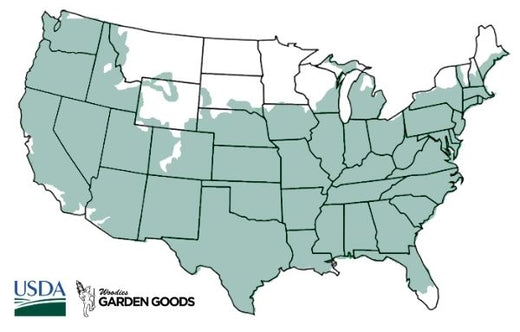
| Hardiness Zone: | 5-9 |
|---|---|
| Mature Height: | 2 to 3 Feet |
| Mature Width: | 2 to 3 Feet |
| Sunlight: | Full sun, part sun, part shade, or shade |
| Soil Condition: | Moist, well-drained soil; neutral to slightly alkaline soil is preferred |
| Water | Average water; keep evenly moist during establishment and avoid soggy soil |
| Bloom Time / Color: | Early spring; small yellow-green flowers are not ornamentally significant |
| Foliage | Shiny dark green foliage with good winter color |
| Ornamental Features | Dense globe habit, compact size, dark green evergreen foliage, winter interest, low hedge value |
| Wildlife Value: | Primarily grown for structure; small flowers may be visited by insects but are not showy |
| Resistance | Deer resistant; rabbit resistant; good resistance to boxwood blight; not immune to disease |
| Landscape Uses: | Low hedges, borders, foundations, edging, formal gardens, herb gardens, containers, mass plantings, specimen shrubs |
How to Care for North Star® Boxwood
Be sure to read our planting instructions to ensure a healthy and happy North Star Boxwood plant for years to come!

How should I plant North Star Boxwood?
Plant North Star Boxwood in well-drained soil where it receives full sun, part sun, or shade. Avoid low, soggy areas and compacted soil because boxwoods dislike wet feet. If planting near a foundation, make sure roof runoff does not pour directly into the root zone. Dig a hole two to three times wider than the root ball and about the same depth as the container. Set the top of the root ball level with or slightly above the surrounding soil, backfill with native soil, water deeply, and mulch with 1 to 2 inches of bark mulch while keeping mulch away from the stems.

How often should I water North Star Boxwood after planting?
Water North Star Boxwood deeply after planting and keep the soil evenly moist during the first growing season. Newly planted boxwoods have shallow roots and can dry out quickly during heat, wind, or dry fall weather. Water when the top few inches of soil begin to feel dry. Once established, North Star has average water needs, but it should not be allowed to stay extremely dry for long periods. Fall watering is especially important if the weather is dry because winter drought stress can cause bronzing or browning on broadleaf evergreens. Avoid overwatering and never let the roots sit in standing water.

When should I fertilize North Star Boxwood?
Fertilize North Star Boxwood in early spring if growth is weak, foliage color is poor, or soil tests show a nutrient need. Use a balanced slow-release shrub fertilizer or a fertilizer labeled for evergreen shrubs. In good soil, established boxwoods often need very little fertilizer. Avoid heavy fertilizing late in the season because tender new growth can be more vulnerable to winter stress. Keep the plant mulched, watered, and properly spaced. Healthy soil, drainage, and moisture are more important than frequent feeding for long-term boxwood success.

When and how should I prune / cut back North Star Boxwood?
North Star Boxwood needs little pruning because it naturally forms a dense, rounded globe. If shaping is needed, prune in late spring or early summer after the new growth has emerged. This timing helps avoid pushing tender growth too early in spring or too late before winter. Use clean, sharp pruners or hedge shears for light shaping. Avoid cutting deeply into old bare stems because boxwoods recover slowly from severe pruning. For dense hedges, occasional thinning can improve airflow inside the plant and help reduce disease pressure.