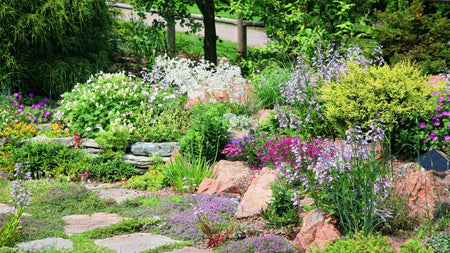


Images Depict Mature Plants
Crazy Daisy Shasta Daisy
Leucanthemum × superbum 'Crazy Daisy'
Crazy Daisy Shasta Daisy is one of those plants that proves a new introduction doesn't always need a different flower color to be interesting. What makes this variety special is its unusual flower form. The petals twist, curl, and sometimes form little quills, giving the flowers a fluffy appearance that's completely different from a traditional Shasta Daisy. I particularly like it in cottage gardens and cutting gardens, where those unusual flowers can really be appreciated. Just remember that Shasta Daisies need plenty of sun and good drainage, especially during winter. Remove the faded flowers throughout summer, and you'll have a perennial that adds a lot of personality to the garden.

15% Off Sitewide Sale!
Use Code 'SEASON15' At Checkout
📦 Free shipping on orders over $99.
Delay shipping by leaving us a message at Checkout.
Share:



A Unique Double Shasta Daisy with Frilly White Summer Flowers
Fluffy Double White Flowers Unlike Traditional Shasta Daisies
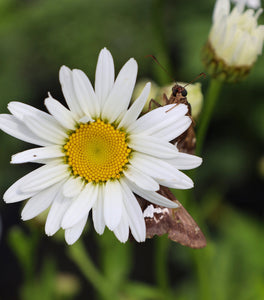
Crazy Daisy Shasta Daisy brings a completely different look to the traditional white summer daisy. Instead of the familiar single row of smooth white petals, this unusual flowering perennial produces layers of twisted, fringed, and sometimes quilled petals surrounding a cheerful yellow center. Botanically known as Leucanthemum × superbum ‘Crazy Daisy’, this distinctive Shasta Daisy creates a fluffy, almost shaggy flower appearance that adds personality and texture to sunny perennial gardens.
One of the most interesting features of Crazy Daisy is that its flowers are not always identical. Some blooms develop a fuller double appearance, while others display more visible yellow centers or slightly different petal shapes. This natural variation is part of the character of the Crazy Daisy selection. For homeowners looking for something more unusual than a traditional white Shasta Daisy, this flower's playful form makes it an excellent choice.
Beautiful Summer Flowers for Cottage Gardens and Borders
Crazy Daisy Shasta Daisy produces its primary display of white flowers during summer, typically beginning around June and continuing into August depending on climate and growing conditions. The bright yellow flower centers provide a cheerful contrast against the layers of white petals, creating an attractive display above the plant's green foliage. Mature plants can produce multiple flowers on their stems, giving the garden a generous summer display.
The unusual flowers fit beautifully into cottage gardens, informal perennial borders, and traditional summer flower beds. Plant Crazy Daisy in groups to emphasize its fluffy white blooms, or combine it with colorful companions for contrast. Purple Salvia, blue Catmint, pink Coneflowers, lavender Russian Sage, and colorful Coreopsis all look particularly attractive beside its distinctive white flowers.
An Excellent Double Shasta Daisy for Fresh-Cut Bouquets
Crazy Daisy is an excellent choice for gardeners who enjoy cutting fresh flowers for indoor arrangements. Its unusual double and fringed flower forms create more texture than conventional daisies, making even a simple bouquet feel special. The white petals combine beautifully with nearly every other flower color, while the yellow centers add warmth and contrast.
Use Crazy Daisy in casual summer arrangements with Coneflowers, Yarrow, Salvia, and other cutting-garden favorites. Harvest flower stems when the blooms are opening and place them promptly in clean water. Cutting flowers regularly and removing faded blooms from the garden can also help maintain an attractive planting while encouraging the development of additional flowers.
A Mid-Sized Shasta Daisy with Outstanding Flower Texture
Crazy Daisy typically grows approximately 24 to 30 inches tall and spreads about 18 to 24 inches wide, depending on growing conditions. Its upright, clump-forming habit gives it enough height to stand out in the middle of a perennial border without becoming as large as some taller Shasta Daisy varieties. The medium-green leaves provide a simple backdrop that allows the unusual white flowers to take center stage.
This makes Crazy Daisy especially useful in mixed flower beds, cottage gardens, and butterfly-friendly borders where contrasting shapes and textures are important. Unlike Snowcap, which is valued for its dwarf habit, Crazy Daisy is best selected for the complexity of its flowers. Its distinctive blooms add visual interest even when planted among other white flowering perennials.
Easy-Care Summer Flowers for Sunny Gardens
Crazy Daisy Shasta Daisy grows best in full sun and well-drained soil. Provide at least six hours of direct sunlight each day to support sturdy growth and abundant flowering. Average garden soil is usually sufficient, and established plants tolerate occasional dry periods. During the first growing season, water regularly to encourage a strong root system without allowing the soil to become constantly saturated.
Good drainage is particularly important during winter because Shasta Daisies can decline when their crowns remain in cold, wet soil. Remove faded flowers throughout summer to encourage additional blooming, and divide established clumps every few years to maintain vigor. Crazy Daisy is generally considered deer-resistant and attracts butterflies and other flower-visiting insects, making it a colorful addition to low-maintenance perennial gardens.
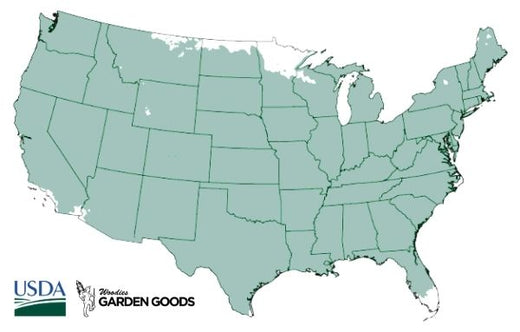
| Hardiness Zone: | 4-9 |
|---|---|
| Mature Height: | 24 to 30 inches |
| Mature Width: | 18 to 24 inches |
| Sunlight | Full sun preferred; tolerates light afternoon shade in hot climates |
| Soil | Average to moderately fertile, well-drained soil |
| Water | Moderate during establishment; dry to medium moisture once established |
| Bloom Time / Color | June to August; white flowers with golden-yellow centers |
| Ornamental Features | Fluffy double flowers; fringed petals; yellow centers; unusual flower texture |
| Wildlife Value | Attracts butterflies, bees, and other flower-visiting insects |
| Landscape Uses | Cottage gardens; cutting gardens; perennial borders; butterfly gardens; mixed flower beds; mass plantings |
How to Care for Crazy Daisy Shasta Daisy
Before you purchase your Crazy Daisy Shasta Daisy, be sure to read the recommended care instructions to ensure your plant grows happy and healthy for years to come.

How should I plant Crazy Daisy Shasta Daisy?
Plant Crazy Daisy Shasta Daisy in full sun, choosing a location that receives at least six hours of direct sunlight daily. This flowering perennial performs best in average, well-drained garden soil, making it suitable for sunny borders, cottage gardens, and cutting gardens. Dig a planting hole approximately twice as wide as the root ball and just as deep, then position the plant so the crown remains level with the surrounding soil. Backfill gently, water thoroughly, and apply a light layer of mulch without covering the crown. Space plants approximately 18 to 24 inches apart to allow their mature clumps to develop naturally. For a colorful summer garden, combine Crazy Daisy with Salvia, Catmint, Coneflowers, Coreopsis, Yarrow, and other full-sun perennials. Avoid planting in low areas where water collects during winter, since prolonged saturated soil can damage the roots and shorten the plant's lifespan.

When Should I Prune My Shasta Daisy 'Snowcap' Plant?
Water Crazy Daisy Shasta Daisy thoroughly immediately after planting, then keep the soil evenly moist while the root system establishes. During the first growing season, check the soil regularly and water deeply when the upper few inches begin to dry. Plants growing in hot, sunny locations or sandy soils may require more frequent watering until they become established. Once established, Crazy Daisy generally performs well with moderate moisture and can tolerate occasional dry periods. Supplemental watering during prolonged summer drought can help maintain healthy foliage and flowering. Avoid keeping the soil constantly wet, especially during winter, because good drainage is one of the most important requirements for long-term Shasta Daisy health.

When should I fertilize Crazy Daisy Shasta Daisy?
Crazy Daisy Shasta Daisy generally requires little additional fertilizer in average garden soil. A light application of compost or a balanced slow-release perennial fertilizer in early spring is usually enough to support healthy growth and flower development. If the plants are already producing strong foliage and abundant flowers, additional feeding may not be necessary. Avoid excessive nitrogen fertilizer, which can encourage soft leafy growth and reduce flowering performance. Overfeeding can also contribute to weaker stems that are more likely to lean or flop. Full sunlight, proper spacing, good drainage, and consistent establishment watering are more important than frequent fertilizer applications.

When and how should I prune Crazy Daisy Shasta Daisy?
Deadhead Crazy Daisy Shasta Daisy regularly during summer by removing faded flowers down to a healthy leaf or developing side bud. This helps keep the plant attractive and may encourage additional flowers. Because Crazy Daisy produces multiple flowers along its stems, careful deadheading can preserve developing buds while removing older blooms. Cutting a few stems for bouquets is also a useful way to enjoy the flowers while keeping the planting tidy. After the main flowering period, tired stems can be shortened to the basal foliage to improve the plant's appearance and help maintain vigor. Remove remaining dead stems in late fall or early spring. If an established clump becomes crowded or begins to decline at the center, divide it in spring or early fall. Periodic division every two to three years can help maintain stronger growth and continued flowering.