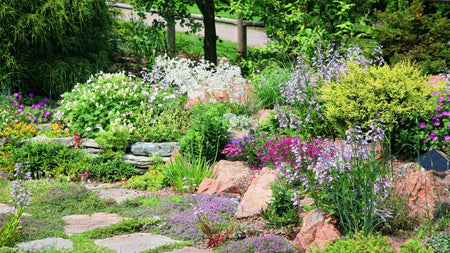
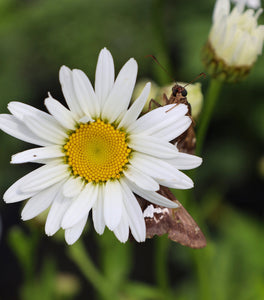
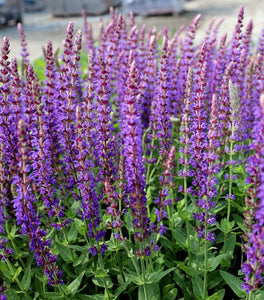
Images Depict Mature Plants
Banana Cream II Shasta Daisy
Leucanthemum × superbum 'Banana Cream II'
Banana Cream II Shasta Daisy is exactly the kind of improved cultivar I like to see introduced. It isn't simply a new name for an old plant; it offers meaningful improvements over the original Banana Cream, including more flowers, earlier blooming, and yellow petals that hold their color longer before turning creamy white. I especially like that you can have several flower colors on the same plant as the blooms mature. It looks terrific with purple Salvia, Catmint, and Coneflowers, and it makes a beautiful cut flower. Give it plenty of sunlight, make sure the soil drains well, and deadhead the spent blooms to keep the color coming throughout summer.

15% Off Sitewide Sale!
Use Code 'SEASON15' At Checkout
📦 Free shipping on orders over $99.
Delay shipping by leaving us a message at Checkout.
Share:



An Improved Yellow Shasta Daisy with Beautiful Summer Flowers
Lemon-Yellow Daisy Flowers That Mature to Creamy White
Banana Cream II Shasta Daisy brings a refreshing new color to the classic summer daisy. Instead of the familiar bright white flowers associated with traditional Shasta Daisies, this exceptional perennial produces large, lemon-yellow blooms that gradually lighten to creamy white as they mature. Botanically known as Leucanthemum × superbum ‘Banana Cream II’, this improved selection combines cheerful summer color with the traditional daisy shape gardeners have loved for generations.
The flowers feature layers of soft yellow petals surrounding golden-yellow centers, creating a beautiful display above the plant's rich green foliage. Because flowers open at different times, mature plants often display several shades of yellow and cream simultaneously. This changing-color effect makes Banana Cream II particularly attractive in sunny perennial borders, cottage gardens, and mixed flower beds, where its warm colors complement a wide range of other summer-blooming plants.
More Flowers and Longer-Lasting Color Than the Original Banana Cream
One of the most compelling reasons to choose Banana Cream II Shasta Daisy is that it represents a genuine improvement over the original Banana Cream cultivar. Plant breeders selected this newer variety for its heavier flowering, earlier bloom time, improved growth habit, and ability to retain its desirable lemon-yellow flower color for a longer period before transitioning to creamy white. These improvements make Banana Cream II especially appealing to gardeners looking for exceptional summer performance.
The plant produces an abundance of large, semi-double flowers on sturdy stems above a healthy mound of dark green foliage. Its fuller flowering display creates a beautiful visual impact without requiring an oversized perennial. Whether planted as a single garden accent or repeated throughout a sunny border, Banana Cream II offers the kind of colorful performance that makes it easy to understand why improved Shasta Daisy cultivars have become increasingly popular.
Long-Blooming Summer Flowers for Sunny Garden Borders
Banana Cream II Shasta Daisy begins flowering in early summer and can continue producing blooms through much of the season when growing conditions are favorable. Regularly removing faded flowers helps encourage additional blossoms and maintains a fresh, attractive appearance. With its extended flowering and changing petal colors, Banana Cream II offers more visual interest than many perennials with a single, short flowering period.
For homeowners who want summer color without continually replacing seasonal annuals, this hardy perennial is an excellent choice. Plant several together to create a striking sweep of yellow and cream flowers, or use individual plants throughout a mixed perennial border. Its flowers also make attractive additions to fresh-cut arrangements, allowing gardeners to bring the cheerful colors of summer indoors.
A Beautiful Shasta Daisy for Butterflies and Cottage Gardens
Banana Cream II Shasta Daisy is particularly useful in pollinator-friendly landscapes because its flowers attract butterflies, bees, and other beneficial flower-visiting insects. The open yellow flower centers provide accessible floral resources, while the long blooming season helps extend the garden's summer display. Its cheerful color also makes it an ideal companion for purple Salvia, blue Catmint, pink Coneflowers, lavender Russian Sage, and other colorful perennials.
The plant's upright, clump-forming habit makes it suitable for cottage gardens, butterfly gardens, cutting gardens, and sunny foundation beds. Banana Cream II typically reaches approximately 20 to 24 inches tall and spreads 20 to 22 inches wide, giving it enough presence to make a statement without overwhelming nearby perennials. It also performs beautifully in larger patio containers, where the changing yellow and cream flowers can be appreciated up close.
Easy to Grow with Full Sun and Well-Drained Soil
Banana Cream II Shasta Daisy performs best in full sun, where it develops strong flowering stems and produces its most abundant blooms. Plant it in average to moderately fertile, well-drained soil and water regularly while the root system becomes established. Once mature, the plant has relatively modest water requirements, although supplemental watering during extended dry periods helps maintain healthy foliage and flower production.
Like other Shasta Daisies, Banana Cream II benefits from excellent drainage, especially during winter when cold, saturated soil can damage the crown. Remove spent flowers to encourage additional blooming and divide older clumps when necessary to maintain vigor. Its relatively compact, sturdy habit makes it an easy addition to sunny perennial gardens. With the right placement and a little seasonal care, Banana Cream II can provide beautiful yellow-to-cream flowers year after year.
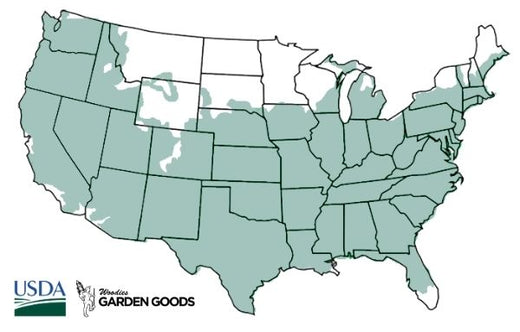
| Hardiness Zone: | 5-9 |
|---|---|
| Mature Height: | 20 to 24 inches tall |
| Mature Width: | 20 to 22 inches wide |
| Sunlight | Full sun; light afternoon shade may be beneficial in the hottest regions |
| Soil | Average to moderately fertile, well-drained soil |
| Water | Moderate during establishment; low to average water needs once established |
| Bloom Time / Color | Early summer through late summer with deadheading; lemon-yellow flowers aging to creamy white |
| Ornamental Features | Changing yellow-to-cream flowers; heavy flowering; long bloom season; sturdy stems |
| Wildlife Value | Attracts butterflies, bees, and other flower-visiting insects |
| Landscape Uses | Perennial borders; cottage gardens; butterfly gardens; cutting gardens; patio containers; foundation beds; mass plantings |
How to Care for Banana Cream II Shasta Daisy
Before you purchase your Banana Cream II Shasta Daisy, be sure to read the recommended care instructions to ensure your plant grows happy and healthy for years to come.

How should I plant Banana Cream II Shasta Daisy?
Plant Banana Cream II Shasta Daisy in a location that receives at least six hours of direct sunlight each day. Full sun encourages strong growth, abundant flowers, and the best display of lemon-yellow blooms. Choose a garden bed with well-drained soil, since Shasta Daisies can struggle when their roots remain in saturated conditions, especially during winter. Prepare a planting hole approximately twice as wide as the root ball and just as deep, positioning the top of the root ball level with the surrounding soil. Backfill gently and water thoroughly. Space plants approximately 20 to 22 inches apart to accommodate their mature width and encourage good air circulation. For a colorful summer border, combine Banana Cream II with purple Salvia, blue Catmint, Coneflowers, or other sun-loving perennials. When planting in containers, choose a pot with drainage holes and a high-quality potting mix that does not remain excessively wet.

How often should I water Banana Cream II Shasta Daisy after planting?
Water Banana Cream II Shasta Daisy thoroughly immediately after planting and maintain even soil moisture while its roots establish. During the first growing season, water deeply when the upper few inches of soil begin to dry, especially during hot or windy weather. The goal is to encourage deep root development without allowing the planting area to become waterlogged. Once established, Banana Cream II has relatively low to average watering needs and tolerates brief dry periods. However, consistent moisture during summer heat encourages healthy foliage and continued flowering. Avoid excessive watering, particularly during winter, because poor drainage and saturated soil can damage the crown and shorten the plant's lifespan.

When should I fertilize Banana Cream II Shasta Daisy?
Banana Cream II Shasta Daisy generally requires only moderate fertilization when growing in average garden soil. Apply a light layer of compost or a balanced slow-release perennial fertilizer in early spring as new growth begins. If soil fertility is already adequate and the plant produces strong growth and abundant flowers, additional fertilizer may not be necessary. Avoid applying excessive nitrogen, which can encourage leafy growth and weaker stems at the expense of flowering. If plants appear unusually pale or flower poorly despite receiving adequate sunlight, consider testing the soil before increasing fertilizer applications. Good soil drainage, consistent moisture, and proper sun exposure are more important than heavy feeding.

When and how should I prune Banana Cream II Shasta Daisy?
Deadhead Banana Cream II Shasta Daisy regularly throughout summer by removing flowers as they fade. Cut spent stems back to a healthy leaf or developing side shoot rather than removing only the flower head. This helps maintain a tidy appearance and encourages the plant to invest more energy in additional blooms. Removing faded flowers is especially useful when you want to extend the cultivar's yellow-to-cream summer display. After flowering has finished, shorten tired stems or remove declining growth as needed. In late fall or early spring, clear away dead foliage to make room for fresh growth. Mature clumps can be divided periodically if they become crowded or begin to decline in the center. Proper maintenance helps preserve the plant's vigor and supports a healthy flowering display in future seasons.