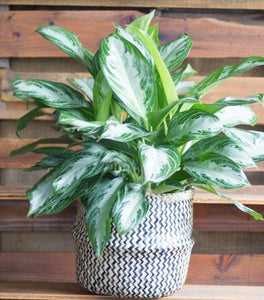
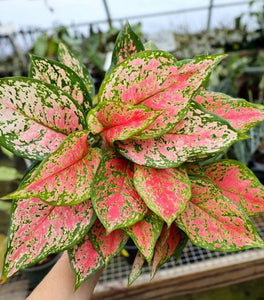
Images Depicted Range in Maturity & Container Size
Pots & Decorations Not Included Unless Otherwise Stated
Ruby Chinese Evergreen
Aglaonema ‘Ruby’
Ruby Chinese Evergreen is a terrific pick for anyone who wants real color from a houseplant without taking on a fussy care routine. The pink and ruby tones give it a lot more personality than a standard green foliage plant, and the easygoing aglaonema habit makes it much more forgiving than many other colorful indoor plants. If you want a compact, easy-care houseplant that brightens a room and still fits normal indoor life, this one is easy to get excited about.

20% Off Sitewide Sale!
Use Code 'ENDOFSEASON20' At Checkout
📦 Free shipping on orders over $99.
Share:
Ruby Chinese Evergreen for Bold Indoor Color
Vivid Pink And Green Foliage That Brightens Indoor Spaces
Ruby Chinese Evergreen stands out because it brings real color into a room without relying on blooms. The foliage is the main event here, with rich green leaves splashed, blushed, or brushed with ruby, pink, and red tones that immediately make the plant feel more energetic than a standard green houseplant. That colorful leaf pattern gives it strong decorative value in living rooms, offices, bedrooms, and entry areas where you want greenery, warmth, and personality. For plant lovers who like foliage plants that feel lively and expressive, Ruby Chinese Evergreen offers a look that is both tropical and refined. Aglaonema cultivars are commonly sold for their colorful foliage, and Clemson specifically describes ‘Red Ruby’ as having green leaves with pink splashes.
The appeal is not just the color itself, but the way the plant presents it. The leaves are broad, glossy, and neatly held, so the plant looks polished even when dropped into a decorative cachepot. That makes it especially useful for homeowners who want a houseplant that feels intentional and styled without needing trellises, trailing space, or heavy pruning. Ruby Chinese Evergreen gives you visual interest in a compact, manageable shape, which is a big part of why colorful aglaonemas remain so popular indoors. It is the kind of plant that can wake up a neutral room, soften a workspace, or add a richer tropical look to a mixed indoor plant collection.
A Colorful Houseplant For Offices, Bedrooms, And Lower-Light Rooms
One of the strongest selling points of Ruby Chinese Evergreen is its adaptability to everyday indoor life. It is not a full-sun houseplant, and that works in its favor for real homes and workspaces. Like other aglaonemas, it prefers medium to bright indirect light, but it can also tolerate lower-light conditions better than many colorful foliage plants. That makes it a practical choice for offices, bedrooms, shelves near windows, and corners that get decent ambient light but not intense sun. The result is a plant that feels decorative and elevated without demanding a greenhouse-style setup. General Aglaonema care guidance consistently notes the group’s ability to tolerate lower indoor light, while also showing best growth and color in indirect light.
Its shape also makes it easy to place. Rather than vining, climbing, or flopping outward too aggressively, Ruby Chinese Evergreen tends to grow in a tidy upright clump with enough fullness to read as lush without taking over a surface. That makes it useful in tabletop planters, desk pots, shelves, consoles, and plant stands where width is limited and ease matters. For indoor gardeners who want color but do not want the extra demands that often come with flowering plants or more finicky tropicals, this is a very smart middle ground. It offers more color than most foliage plants, more flexibility than many bright-leaf tropicals, and enough tolerance to make everyday indoor placement much easier.
Easy-Care Growth With Better Color In Indirect Light
Ruby Chinese Evergreen has strong beginner appeal because it gives a lot back without asking for constant attention. Watering is simple when the pot and soil are right: allow the top inch or so of the potting mix to dry before watering again, then water thoroughly and let the excess drain away. This plant does not want to sit in soggy soil, but it also does not need the kind of exact daily moisture management that more delicate tropicals often require. That balance makes it easier to live with in busy households and more forgiving for plant lovers who are still learning how different houseplants dry down indoors. Aglaonema care guidance commonly recommends watering when the top layer of soil dries and avoiding direct, harsh sunlight and overly wet soil.
Humidity is helpful, but Ruby Chinese Evergreen is usually more adaptable than many people expect. Average household humidity often works, though the plant typically looks freshest and grows more steadily when the air is not excessively dry. It also prefers warm indoor temperatures and benefits from being kept away from cold drafts. The colorful varieties usually hold their best foliage tone in medium to bright indirect light, so while the plant can tolerate lower light, better light generally improves the overall look. For homeowners who want a colorful indoor plant that feels manageable, flexible, and reliably attractive, Ruby Chinese Evergreen has a lot to offer.
A Great Gift Plant With Clear Pet And Family Placement Needs
Ruby Chinese Evergreen makes a strong gift because it feels cheerful, polished, and easy to enjoy right away. The pink and ruby-toned foliage gives it more personality than a plain green houseplant, which makes it feel thoughtful for birthdays, office gifts, housewarmings, and thank-you occasions. It also fits the needs of many newer indoor gardeners because it looks special without demanding complicated care. That combination of color, manageable size, and forgiving indoor performance gives it broad appeal across many homes and décor styles. For anyone wanting a houseplant that feels a little more vibrant than the usual indoor foliage choice, this one delivers.
The main practical caution is pet and child placement. Chinese Evergreen is toxic if chewed or ingested, so it should be kept out of reach of cats, dogs, and young children who may mouth the leaves. That does not mean it cannot work in family homes, but it does mean placement matters. A desk, shelf, plant stand, or low-traffic bright room is often a better fit than a spot where curious pets can easily investigate it. For households that can place it thoughtfully, Ruby Chinese Evergreen offers colorful foliage, easy-care appeal, and a polished indoor look that holds up well in everyday life.

| Hardiness Zone: | 9-11 |
|---|---|
| Mature Height: | 1 to 3 Feet |
| Mature Width: | 1 to 3 Feet |
| Sunlight: | Medium to bright indirect light is best; tolerates lower light, but color is usually strongest in better indirect light |
| Water | Water when the top 1 inch of soil feels dry; do not keep constantly soggy |
| Humidity | Average to moderate humidity is usually fine; prefers warm indoor conditions |
| Soil | Well-draining indoor potting mix with good aeration |
| Foliage Color / Texture | Glossy green leaves with ruby pink to red splashes or blush tones |
| Pet Safety | Not pet-safe |
| Best Uses Indoors | Desk plant, shelf plant, office plant, bedroom accent, colorful low-light foliage plant |
How to Care for Ruby Chinese Evergreen
Be sure to read our planting instructions to ensure a healthy and happy Ruby Chinese Evergreen for years to come!
-v1783952436754.png?92x91)
How should I pot Ruby Chinese Evergreen?
Pot Ruby Chinese Evergreen in a container with drainage holes and use a loose, well-draining indoor potting mix that will not stay heavy and waterlogged for long. Choose a pot only about 1 to 2 inches wider than the current root ball so the roots can settle in evenly without excess wet soil collecting around them. Set the plant at the same depth it was growing before, then water thoroughly until excess moisture drains away. After potting, place it in medium to bright indirect light and keep it away from cold drafts so it can adjust without stress.
-v1783950883262.png?89x84)
How often should I water Ruby Chinese Evergreen?
Water Ruby Chinese Evergreen when the top inch of soil feels dry rather than following a rigid weekly schedule. In brighter light and warmer rooms it may dry somewhat faster, while lower light and cooler indoor conditions usually slow the watering cycle down. When you do water, soak the root zone evenly and let all extra moisture drain away completely. This plant generally handles slight drying much better than constantly wet soil, so it is best to check the potting mix first instead of watering by habit.
-v1783950921364.png?90x89)
When should I fertilize Ruby Chinese Evergreen?
Indoor houseplant fertilizers fall into two groups: water-soluble, liquid quick release, and granular, slow-release fertilizers. Jack's Classic Indoor plant food works well as a powder, quick-release fertilizer mixed with water to quickly provide nutrients to a plant that has been in a container for an extended time. Osmocote Indoor/Outdoor is an option as a granular, slow-release fertilizer while potting and planting. Any fertilizer offers nutrients that help plants with the transition to a new environment.

When and how should I prune Ruby Chinese Evergreen?
Prune Ruby Chinese Evergreen whenever you need to remove yellowing, damaged, or tired-looking leaves, and do more shaping in spring if the plant becomes uneven. Use clean, sharp pruners or scissors and remove individual leaves cleanly near the base of the stem rather than shearing across the top. Because this plant has a naturally tidy clumping habit, pruning is usually light and mostly cosmetic. Regular cleanup of older foliage and occasional removal of leggy growth help the plant stay full, colorful, and attractive indoors.