

Images Depict Mature Plants
Conoy Viburnum
Viburnum × burkwoodii 'Conoy'
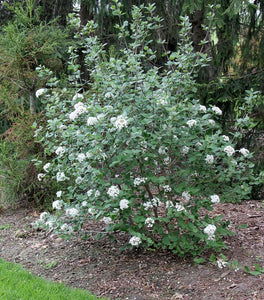
I've always been a fan of viburnums because they offer so much more than just a few weeks of flowers, and Conoy Viburnum is one of those selections that really demonstrates how versatile this group of shrubs can be. What immediately gets my attention is its compact height combined with that broad, dense growth habit. It generally stays around 4 to 5 feet tall but can spread 7 to 8 feet, which makes it especially useful for foundation plantings and low flowering hedges. I particularly like the dark pink buds that open into creamy white flowers in spring, followed by glossy foliage and those attractive berries that turn from red to black as autumn approaches. Another feature I appreciate is its potential to remain evergreen in milder climates, although I always remind gardeners that foliage retention becomes less reliable in colder zones. One thing I strongly recommend is giving Conoy plenty of room to develop its natural spreading shape rather than constantly trying to prune it into a narrow shrub. I also prefer pruning immediately after flowering because late-season pruning can remove next year's flower buds. If you're looking for a lower-growing flowering shrub that combines attractive foliage, spring fragrance, and colorful fall fruit, I think Conoy is an excellent choice for a well-planned residential landscape.

15% Off Sitewide Sale!
Use Code 'SEASON15' At Checkout
📦 Free shipping on orders over $99.
Delay shipping by leaving us a message at Checkout.
Share:

Conoy Viburnum – Glossy Foliage, Fragrant Spring Flowers, and Colorful Fall Berries
Glossy Foliage on a Dense, Spreading Shrub
Conoy Viburnum is a compact Burkwood Viburnum cultivar grown for its dense branching, glossy foliage, white spring flowers, and attractive red fruit that matures to black. Its broad, spreading habit gives the shrub a full landscape presence while staying more manageable than many larger viburnums.
This is a strong choice for homeowners who want a flowering shrub with structure and seasonal interest. In warmer parts of its range, Conoy may hold foliage through winter and function as a semi-evergreen to evergreen screening plant. In colder areas, it may behave more like a deciduous shrub, still returning with fresh foliage and flowers in spring.
White Spring Flowers Followed by Red-to-Black Fruit
In spring, Conoy Viburnum produces clusters of white flowers that add brightness and fragrance to the landscape. The blooms appear against glossy green foliage, bringing a clean, classic look to foundation beds, mixed borders, and flowering hedges.
After flowering, the shrub can produce glossy red drupes that mature to black. Fruit production is usually better when multiple compatible viburnums are planted nearby for cross-pollination. Even when fruit is light, Conoy remains valuable for its foliage, dense habit, and spring flower display.
Ideal for Foundation Plantings, Hedges, and Mixed Shrub Borders
Conoy Viburnum works well as a foundation shrub, low screen, informal hedge, flowering border plant, or mixed evergreen/semi-evergreen backdrop. Its spreading shape makes it especially useful where a wide, layered shrub is needed rather than a narrow upright screen.
Use it near property lines, along patios, beside walkways, in front of taller evergreens, or as part of a mixed privacy planting with hollies, boxwood, cherry laurel, hydrangeas, abelia, and other shrubs. It can also be planted in groups for a fuller hedge effect, allowing enough space for its mature width.
Low Maintenance, Wildlife Friendly, and Drought Tolerant Once Established
Conoy Viburnum is low maintenance once established and adapts to a range of average garden soils. It prefers moist, well-drained soil but can tolerate some dry conditions once roots have developed. Mulching helps keep the root zone cool, conserve moisture, and reduce weed competition.
The spring flowers may attract pollinators, and the fruit can provide seasonal interest for birds when produced. Deer resistance should be described cautiously. Viburnums are sometimes browsed, especially during winter or heavy deer pressure, so Conoy is best considered moderately resistant to variable rather than deer proof.
Easy Care with Sun, Part Shade, and Post-Bloom Pruning
Plant Conoy Viburnum in full sun to part shade with well-drained soil. Full sun encourages the strongest flowering and densest growth, while part shade is useful in hotter climates. Avoid poorly drained sites where roots stay wet for long periods.
Water regularly after planting until established, then water during extended dry spells. Prune only as needed, immediately after flowering, to shape the shrub or control its size. Avoid heavy late-season pruning, because viburnums set flower buds before the next spring bloom and pruning too late can reduce flowers.
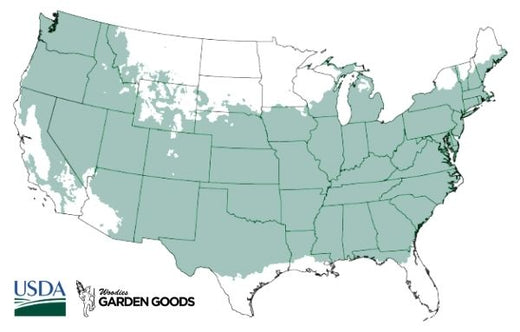
| Hardiness Zone: | 5-8 |
|---|---|
| Mature Height: | 4 to 5 feet |
| Mature Width: | 7 to 8 feet |
| Sunlight: | Full sun to partial shade |
| Soil Condition: | Average to moist; well-drained; adaptable |
| Water Requirements: | Moderate during establishment; drought tolerant once established |
| Bloom Time / Color: | Mid- to late spring; often April; Creamy white from dark pink buds |
| Foliage: | Evergreen to semi-evergreen in warmer zones; may be deciduous in colder zones |
| Ornamental Features: | White flowers; pink buds; glossy leaves; red-to-black fruit |
| Resistance (deer/disease/drought/etc.): | Variable; protect young plants where deer pressure is heavy. Good to high Drought tolerance once established |
| Wildlife Value: | Fruit attracts birds; flowers may attract visiting insects |
| Landscape Uses: | Foundation plantings; low hedges; mixed borders; mass plantings; specimen |
How to Care for Conoy Viburnum
Be sure to read our planting instructions to ensure a healthy and happy Conoy Viburnum for years to come!

How should I plant Conoy Viburnum?
Plant Conoy Viburnum in a location receiving full sun to partial shade, preferably in soil that drains well while retaining moderate moisture. Choose a planting area with enough room for the shrub's mature width, since Conoy typically grows approximately 7 to 8 feet wide but only 4 to 5 feet tall. It works especially well in foundation beds, informal hedges, mixed shrub borders, and substantial landscape plantings. Dig a hole approximately twice as wide as the root ball but no deeper than the root ball itself. Position the uppermost roots at or slightly above the surrounding soil level, backfill using the original soil, and water thoroughly. When planting several Conoy Viburnums together, allow approximately 6 to 8 feet between plants for natural growth, adjusting spacing according to the desired hedge density. Avoid placing the shrub too close to foundations, walkways, or neighboring plants that could be crowded by its broad-spreading branches. Apply a 2 to 3-inch layer of organic mulch around the root zone to conserve moisture and reduce weed competition, keeping mulch several inches away from the stems. Good drainage and sufficient room to spread are essential for maintaining the cultivar's attractive natural form.

How often should I water Conoy Viburnum after planting?
Water Conoy Viburnum thoroughly immediately after planting, then maintain consistently moist but well-drained soil while the root system establishes. During the first growing season, check soil moisture several inches below the surface and irrigate when the root zone begins to dry. Newly planted shrubs may require more frequent watering during hot or windy weather, while rainfall and cooler temperatures reduce irrigation needs. Deep watering is preferable to frequent shallow applications because it encourages roots to expand into the surrounding soil. Once established, Conoy Viburnum develops good drought tolerance and can withstand periods of reduced rainfall. However, occasional deep watering during prolonged summer drought can help maintain healthy foliage, flowering, and overall shrub vigor. Mulching the root zone helps conserve moisture and moderate soil temperatures. Avoid keeping the soil continuously saturated, particularly in poorly drained clay, as prolonged wet conditions can damage roots. In colder regions, adequate moisture before winter can also help reduce stress on foliage that remains attached during freezing temperatures.

When should I fertilize Conoy Viburnum?
If additional nutrients are needed, early spring is the preferred time to fertilize Conoy Viburnum. In average garden soil, established plants frequently require little supplemental feeding. If growth appears weak or a soil test identifies nutrient deficiencies, apply a balanced, slow-release fertilizer formulated for flowering shrubs according to the manufacturer's instructions. A modest layer of compost around the root zone may also help maintain soil structure and support healthy growth without encouraging excessive vegetative development. Avoid excessive nitrogen fertilization because heavy feeding can encourage unnecessary leafy growth at the expense of balanced flowering and natural structure. Do not apply large amounts of fertilizer late in summer or autumn, when new tender growth may be vulnerable to winter injury. If the shrub develops yellowing foliage or poor growth, evaluate sunlight, soil drainage, moisture, and nutrient availability before applying additional fertilizer. In most established landscapes, proper planting conditions and consistent establishment care are more important than aggressive feeding.

When and how should I prune Conoy Viburnum?
The best time to prune Conoy Viburnum is immediately after its spring flowers have finished blooming. This is important because the shrub develops flower buds for the following season on growth produced during the current year. Begin by removing dead, damaged, crossing, or poorly positioned branches, then selectively shorten shoots as necessary to maintain the desired shape. Conoy naturally develops a dense, broad-spreading form, so extensive pruning is rarely needed when it is planted in a sufficiently large location. Avoid heavy pruning during late summer, autumn, or winter, since removing mature flowering branches can significantly reduce the following spring's display. Pruning immediately after flowering may also remove developing fruit, so gardeners who want the most attractive autumn berry display should limit trimming to essential corrective cuts. Selective pruning is generally preferable to frequent shearing because it preserves the shrub's natural form and ornamental characteristics. Give Conoy enough room to reach its mature width, and routine maintenance will be considerably easier.