
Spring-Blooming Flowers for Fresh Seasonal Garden Color
Fresh spring color that makes the whole yard feel new
Spring bloomers are the plants that flip the switch in your landscape—the first real color, the first real energy, the moment your yard stops feeling like “winter” and starts feeling like home again. This collection is built for that exact feeling: early flowers, bright new growth, and dependable performers that shine when you’re craving a change. Think showy flowering trees like dogwoods, classic shrubs that light up the season (forsythia, viburnum, camellias, azaleas), and early perennials like hellebores that can bloom while the air still has a bite. The beauty of spring bloomers is that they don’t just look good for a weekend—they set the tone for the entire growing season, giving you color up high, color at eye level, and color down low so beds look layered and intentional.
Here’s how I’d use them: plant one or two “headline” bloomers you can see from the kitchen window (like a dogwood or magnolia), then support them with shrubs that repeat color across the yard, and finish with early perennials that fill the front edge of beds before summer takes over. It’s a simple formula that looks like a designer’s plan—because it is. Most spring bloomers are also refreshingly straightforward: give them the right light, don’t let the roots sit in soggy soil, and prune at the right time (often after flowering) so you don’t accidentally cut off next year’s show. And when you order from Garden Goods Direct, you’re getting fast shipping, real horticultural support, and the We Grow Together Promise—so you can plant early-season color with confidence.




Allegheny Serviceberry Tree
As Low As $129.95
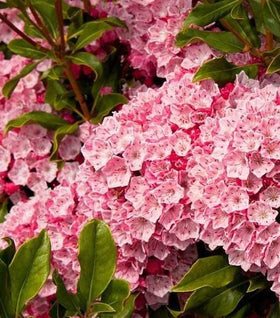
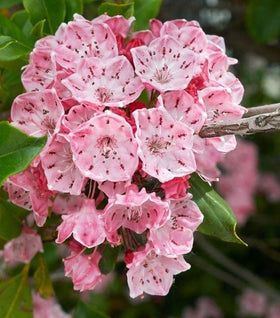
Olympic Fire Mountain Laurel
$129.95


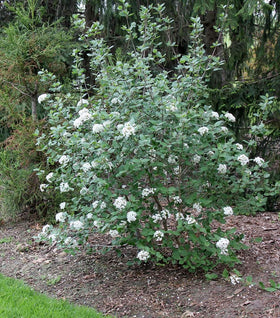
First Editions® Standing Ovation™ Serviceberry
$119.95
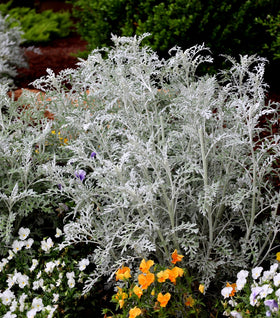
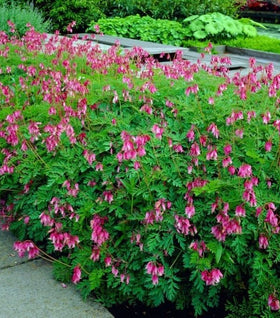
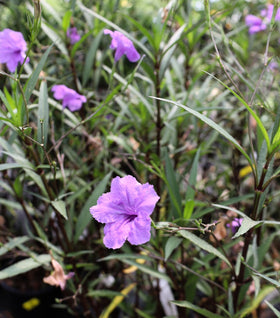
Dicentra Luxuriant Bleeding Heart
$28.95


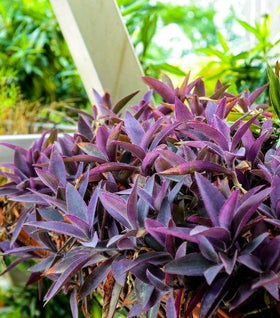

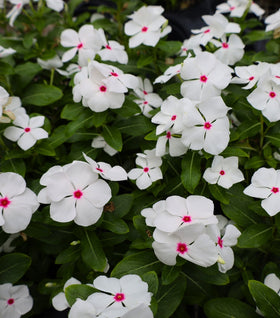

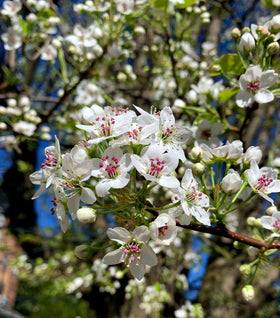




Dicentra eximia Wild Bleeding Heart
$28.95




Early color that makes spring feel like it arrived.
Spring bloomers are all about momentum. When the first flowers open—often in late winter through early spring for plants like hellebores—you get that immediate payoff that tells you the season has turned. Then the mid-spring stars take over (think April into May for many flowering trees, including dogwoods), and suddenly your landscape has a calendar of color instead of a long wait. The best part is how “natural” it looks: blooms arrive in waves, foliage follows, and the whole yard comes alive without needing constant replanting.
This collection is intentionally broad so you can build that wave effect. It includes a mix of trees, shrubs, and perennials—everything from dogwoods and serviceberries to azaleas, viburnums, forsythia, camellias, and early perennials and groundcovers. That variety matters because it lets you create a spring impact at multiple heights: overhead canopy blooms, mid-layer shrubs near the house, and lower perennials that fill in around stepping stones and border edges.
Spring bloomers are also incredibly “useful” plants. They help new landscapes feel established more quickly because blooms draw the eye, disguise young plants' size, and create focal points that anchor beds. They’re perfect for front-yard curb appeal, entry gardens, and those spots that feel bare after winter—like along a fence line, beside a porch, or at the corner of a foundation bed where you want the yard to look finished from the street.
And if you garden for pollinators, spring bloomers are one of the smartest categories to prioritize. Early-season flowers can provide valuable nectar and pollen when the landscape is just waking up, which is exactly when beneficial insects are ramping back up for the year. A spring-forward planting plan is how you make your yard feel beautiful and busy—with life, movement, and that unmistakable spring energy.
The classic spring look, from blooms to fresh new growth.
Spring bloomers are famous for their flowers, but the full effect is bigger than petals. Many bring fresh new growth, glossy foliage, and strong structure that carries your beds into summer. Flowering dogwoods, for example, are known for their showy spring display (often April to May) and a small-tree habit that adds graceful branching and seasonal interest beyond bloom. When you combine those kinds of plants with shrubs and perennials, you get a spring display that feels layered instead of “one-note.”
Mature size in this collection ranges widely—which is great, because it means you can design to scale. Small flowering trees may land in the ~15–30 ft range, while many foundation shrubs stay in the “easy to manage” zone, and early perennials like hellebores often stay compact (commonly around 12–15 inches tall). That size diversity lets you build depth: tall in the back, medium in the middle, and low in the front—without having to force plants into roles they don’t fit.
Growth rate also varies, and that’s a feature—not a flaw. Some spring bloomers fill in quickly to give you fast satisfaction, while others grow more steadily so they hold shape and age gracefully. If your goal is “looks amazing this season,” you can lean into faster growers and massing. If your goal is “I want this to look better every year,” mix in steadier plants that develop character over time and don’t demand constant resizing.
Finally, spring bloomers excel at texture. Think airy tree canopies, arching shrub forms, glossy evergreen leaves, soft groundcover mats, and flowers that range from delicate clusters to bold, showy blooms. That texture mix is what makes spring landscapes feel designed—because you’re not only changing color, you’re changing the feel of the yard from winter-sparse to spring-full.
The best places to plant for maximum spring impact.
For the biggest visual payoff, plant spring bloomers where you’ll see them daily. Entry walks, front windows, mailbox beds, and the view from your favorite room are prime locations—because spring bloomers are mood-boosters, and the whole point is to enjoy them. Use flowering trees as “headline plants” in lawn islands or near corners of the yard, then build outward with shrubs and perennials to connect that focal point back to the house and hardscape.
Match the light to the plant, and everything gets easier. Many spring bloomers perform beautifully in full sun to part shade (dogwoods are commonly listed for full sun to part shade), while some early perennials and woodland favorites appreciate partial shade. If you’re working with a bright edge-of-woods setting, you’re in luck—that dappled light is a sweet spot for many classic spring performers.
Spacing is where good design meets good plant health. Because this collection includes multiple plant types, use spacing in practical ranges: small flowering trees often need room on the order of 15–30 ft (depending on variety and mature spread), shrubs commonly want 3–6 ft (or more for larger types), and perennials frequently land in the 12–24 inch spacing range depending on mature width and how quickly you want beds to fill in. When in doubt, give plants breathing room—airflow helps reduce stress and can lower disease pressure over time.
Functionally, spring bloomers can do more than look pretty. Use them to frame views, soften fences, brighten foundation lines, and create seasonal “moments” along pathways. A simple, high-impact move is repeating the same spring shrub in two or three places in the yard—it makes everything feel cohesive, like a designed garden instead of a collection of random plants.
Straightforward care that protects next year’s blooms.
The #1 rule with spring bloomers is pruning timing: many spring-flowering shrubs set their buds on older growth (“old wood”), so pruning too late can remove next year’s flowers. A reliable, widely taught guideline is to prune spring bloomers soon after they finish flowering, which protects the next round of buds while still letting you shape the plant. This is especially important for classics like forsythia and many azaleas.
Light, soil, and water are the other big levers. Start with well-drained soil (nobody wins with soggy roots), water consistently during establishment, and use mulch to keep moisture even and protect root zones from temperature swings. Once established, many spring bloomers are quite manageable—especially when they’re planted in the right spot from day one instead of being “forced” into challenging conditions.
Feeding and fertilizing should be simple and seasonal. For many spring bloomers, the goal is steady growth and strong bud set—not lush, floppy growth that invites problems. If you fertilize, do so at an appropriate time for the plant type (often in spring) and avoid pushing heavy late-season growth, which can be vulnerable heading into winter. Good planting technique and consistent moisture usually matter more than fancy inputs.