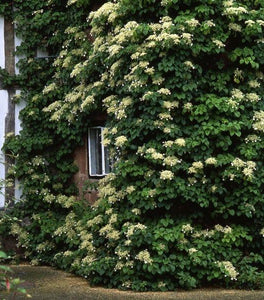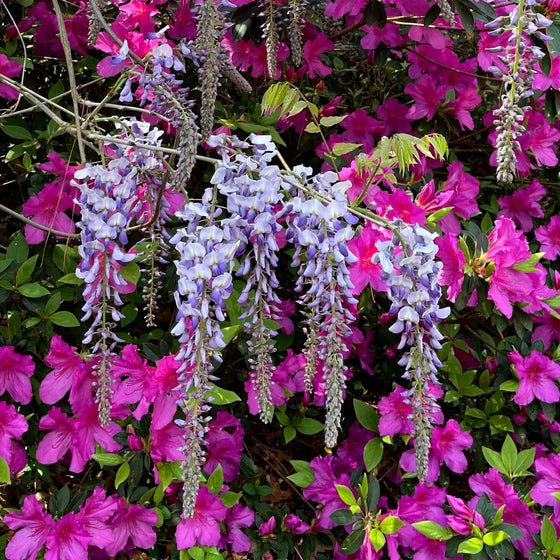
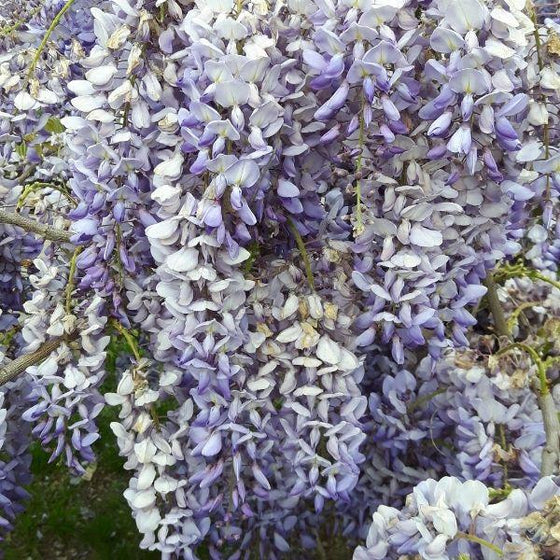
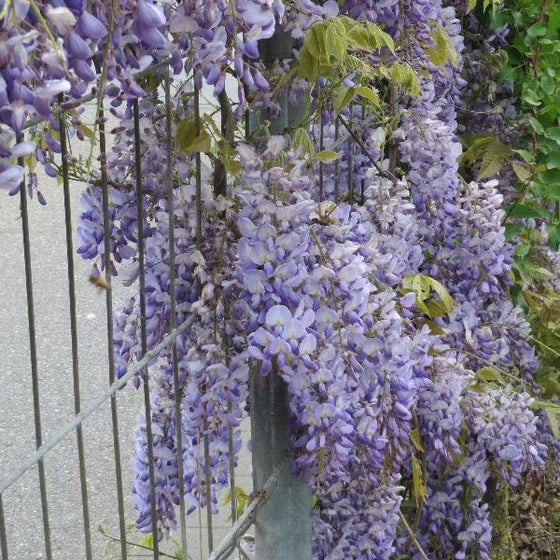


Images Depict Mature Plants
Blue Moon Wisteria
Wisteria macrostachya 'Blue Moon'
Blue Moon Wisteria is one of those plants that can completely transform a garden space when it is given the right structure to climb. The reblooming habit is what makes it especially exciting, because you are not just getting one spectacular show and then waiting a whole year to see it again.

20% OFF SITEWIDE SALE
Use Code 'OCTOBER20' At Checkout
📦 Free shipping on orders over $99.
Delay shipping by leaving us a message at Checkout.
Share:



A hardy reblooming wisteria with blue-purple flowers and dramatic climbing beauty
A wisteria that keeps the show going longer.
Blue Moon Wisteria is prized for its elegant blooms and a much longer bloom season than many other selections. Instead of flowering once and then disappearing into foliage, this vine can bloom in spring and then return with additional cycles of flowers in summer. That repeat-blooming habit is what makes it such an exciting garden plant.
Blue-purple flower clusters bring instant romance to the landscape.
The pendulous flower clusters are blueish-purple and dramatic, creating the classic wisteria look that instantly softens pergolas, trellises, and garden structures. When in bloom, Blue Moon Wisteria has a presence that can completely change the feel of a space, making it feel more established, layered, and memorable.
Hardy enough for colder gardens than many wisterias.
One of Blue Moon Wisteria's biggest strengths is its cold hardiness. Garden Goods Direct describes it as hardy to zone 4, which opens the door for a much wider range of homeowners to enjoy the look of wisteria. That makes it especially useful for gardeners who have admired wisterias before but assumed they were not a realistic option for their climate.
Best for trellises, pergolas, arbors, and strong vertical accents.
Blue Moon Wisteria is a vigorous climbing vine that looks best when trained onto a sturdy support. It works beautifully on pergolas, arbors, walls, fences, and large trellises where the flower clusters can hang naturally and create a dramatic overhead or cascading effect. Because it can reach a substantial size, it is best placed where it has room and a strong structure from the start.
Easy care begins with sun, support, and regular pruning.
Blue Moon Wisteria performs best in full sun to part sun and in rich, well-drained soil. For the heaviest flowering, full sun is the strongest placement. This vine can grow to about 20 to 30 feet tall and 3 to 4 feet wide, so guiding it and pruning it regularly is part of getting the best show from it. Garden Goods Direct recommends pruning in late winter to early spring to promote increased branching and more flowers.
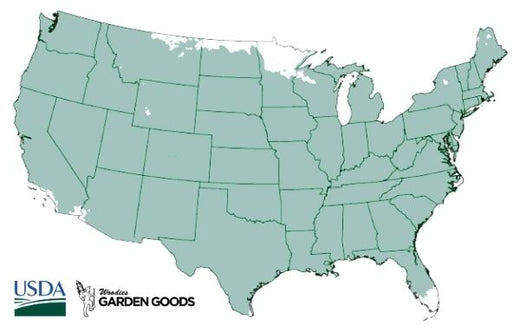
| Hardiness Zone: | 4-9 |
|---|---|
| Mature Height: | 20 to 30 Feet |
| Mature Width: | 3 to 4 Feet |
| Sunlight: | Full sun to part sun |
| Soil: | Rich, well-drained soil |
| Water: | Water well until established |
| Bloom Time / Color: | Spring with possible rebloom in summer; blueish-purple flowers |
| Ornamental Features: | Cascading blue-purple flower clusters, repeat bloom potential, dramatic climbing habit |
| Wildlife Value: | Flowers can attract pollinators |
| Resistance (deer/disease/drought/etc.): | Hardy and adaptable once established |
| Landscape Uses: | Pergolas, trellises, arbors, fences, walls, vertical accents, flowering screening |
How to Care for Blue Moon Wisteria
Before you buy a Blue Moon Wisteria Vine, make sure to read about the recommended care instructions to keep this plant healthy and thriving.

How should I plant Blue Moon Wisteria?
Plant Blue Moon Wisteria in full sun to part sun in rich, well-drained soil. Dig a hole about twice as wide as the root system but not deeper than the root ball, then set the vine level with the surrounding soil and backfill carefully. Install a strong support such as a trellis, pergola, arbor, or fence at planting time so the vine has somewhere to climb as it grows. Water deeply after planting and mulch around the root zone to help conserve moisture and reduce weed competition, but keep mulch a few inches away from the stems.

When should I fertilize Blue Moon Wisteria?
Fertilize Blue Moon Wisteria in spring and again in early summer. A balanced fertilizer is usually appropriate in most landscapes, especially when the goal is strong flowering and healthy structure. Moderate, regular feeding is generally more helpful than pushing excessive soft growth all at once. Rich soil and steady nutrition usually support the best long-term performance.

When and how should I prune Blue Moon Wisteria?
Fertilize Blue Moon Wisteria in spring and again in early summer. A balanced fertilizer is usually appropriate in most landscapes, especially when the goal is strong flowering and healthy structure. Moderate, regular feeding is generally more helpful than pushing excessive soft growth all at once. Rich soil and steady nutrition usually support the best long-term performance.

When and how should I prune Blue Moon Wisteria?
Prune Blue Moon Wisteria in late winter to early spring. This timing helps promote increased branching and more flowers while also keeping the vine within bounds. As the plant matures, remove unwanted or tangled growth, shorten overly long stems, and continue training the main framework onto the support you want it to cover. Regular pruning is one of the keys to keeping the vine both floriferous and manageable.