
Shade Perennials for Colorful Blooms, Lush Foliage & Lasting Beauty
Lush foliage and flower color that thrive where the sun doesn’t.
Shade doesn’t have to mean “nothing grows.” The right perennials turn low-light spaces into the most inviting beds on the property—cool, layered, and quietly dramatic. Shade gardens are often defined by light levels like dappled shade, part shade (a few hours of sun, often morning), and full shade (very limited direct sun), and choosing plants that match those conditions is what makes the difference between a struggling bed and a lush one. Think hostas for bold foliage, heuchera for colorful leaves, astilbe for feathery plumes, hellebores for late-winter-to-spring flowers, and ferns for soft, woodland texture that fills in the “in-between” moments.
The best part is how practical shade perennials can be. Many are naturally suited to woodland-style soil and consistent moisture, and they often look better with less fuss—steady watering during establishment, a layer of mulch, and spacing that lets air move through the bed. Once you’ve got a foundation of foliage, flowers become a seasonal bonus: spring bloomers like bleeding heart, early-summer plumes like astilbe, and summer hosta flowers that pop up above the leaves when the garden is fully awake. If you ever want help dialing in “part shade vs. full shade,” spacing, or the best pruning window, the We Grow Together Promise is there to support you.
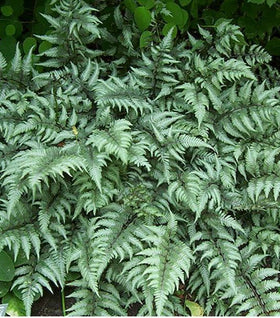

Gold Standard Hosta
As Low As $36.95
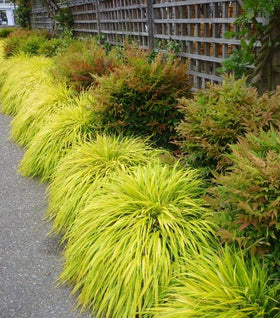


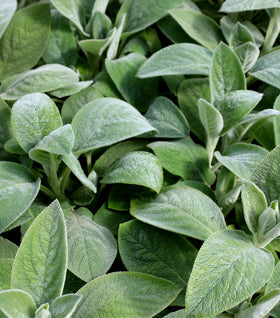
Helen von Stein Lamb’s Ear
As Low As $26.95


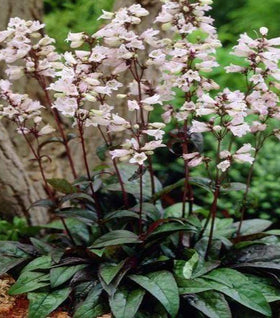
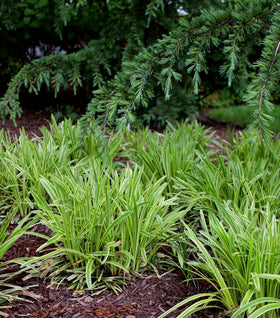
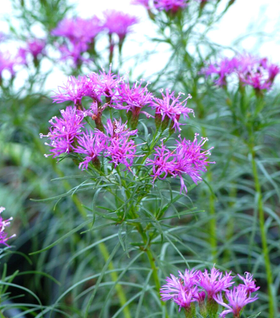


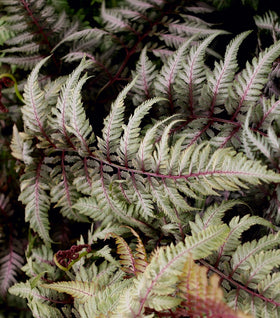
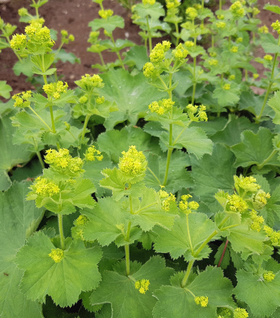


Lily of the Valley
As Low As $19.95



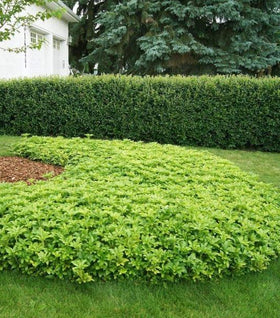
Pachysandra (Japanese Spurge)
As Low As $18.95






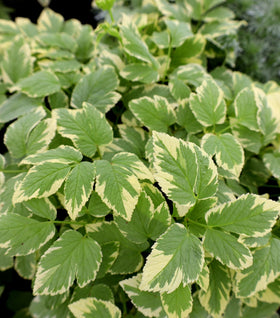
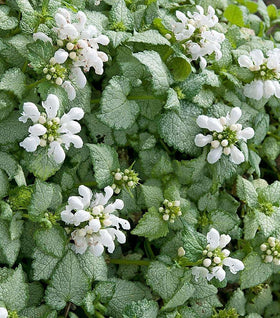
Snow on the Mountain Groundcover plant
$28.95


Brighten shady beds with confident, repeat color.
Shade perennials are the fastest way to make dark corners feel intentional. Instead of fighting for blooms in low light, you’re leaning into what shade does best: rich greens, dramatic leaf shapes, and layered texture that looks “designed” even before the first flower opens. This collection is built around that reality—mixing foliage-forward favorites with seasonal bloomers so your beds look full from spring through fall.
They’re also problem-solvers for tricky areas: under trees, along north-facing foundations, beside fences, or in courtyards where buildings block the sun. “Shade” can mean different things (dappled, part shade, full shade), and matching plants to those light levels is the shortcut to success—because a plant that loves part shade may fade or flop in deep shade, while true shade lovers can scorch if they get too much direct afternoon sun.
For homeowners and landscapers, the payoff is longevity and stability. Perennials come back year after year, fill in more beautifully as they establish, and give you a repeatable “formula” you can use across multiple shady beds: anchor with bold foliage, weave in texture, then add flowers as highlights. Once you see how much impact foliage can deliver in shade, you’ll start designing with leaves first—and the garden gets easier to keep looking good.
Know the foliage, flowers, and mature size you’re getting.
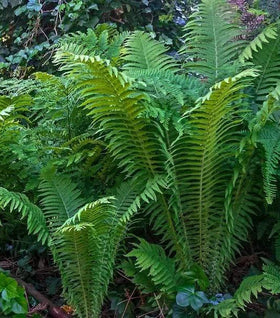
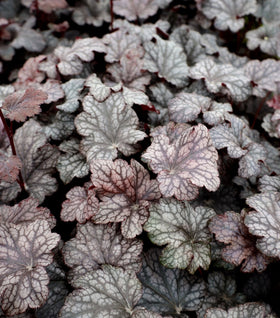
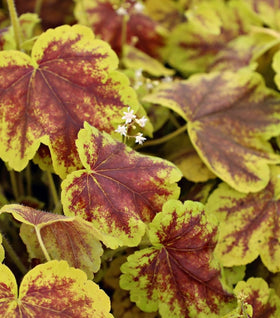
Shade gardens are often foliage-driven, and that’s a good thing. Hostas bring bold mounds and strong leaf presence, coral bells (heuchera) add color that reads like “paint” in the understory, and ferns supply a soft, feathery look that ties everything together. When those textures repeat across a bed, shade stops looking empty and starts looking curated.
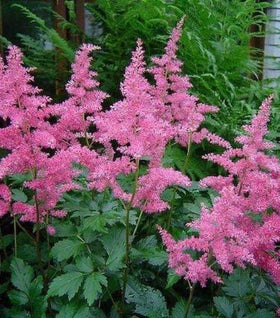
Bloom windows are where shade perennials surprise people. Hellebores are known for blooming in late winter into spring in many climates, bleeding heart typically blooms in mid-to-late spring, and astilbe is a classic early-summer performer with plume-like flowers that lift above the leaves. Even hostas bloom—often somewhere between late spring and late summer, depending on type—so you can plan a shade bed that has floral moments without relying on constant sun.
Mature size and spacing keep shade beds looking lush rather than crowded. Coral bells are commonly spaced about 1–2 feet apart depending on the variety and mature size, and many astilbes are spaced roughly 18–24 inches apart so clumps can fill in without smothering each other. Plan for the grown-up width, not the nursery pot, and you’ll get better airflow, fewer disease issues, and plants that hold their shape longer.
Place them in the right light for easy establishment.
Start by reading your shade honestly. Part shade is often described as a few hours of direct sun (often morning sun), while full shade is less than about 3 hours of direct sunlight; dappled shade is filtered light through tree canopies. Once you know what you’ve got, you can place plants where they’ll thrive—more sun-tolerant shade plants toward brighter edges, and true shade lovers deeper under trees or on north-facing exposures.
Soil and moisture matter more in shade than many people expect. Under trees, soil can be dry because roots compete for water; near downspouts or low spots, it can stay too wet, encouraging fungal issues. Many shade perennials prefer moisture-retentive but well-drained soil, so a simple improvement (like adding organic matter and keeping mulch consistent) can make establishment dramatically smoother.
Use spacing as a design tool. A practical range is to give medium clumping perennials about 18–24 inches, while smaller mounding plants may sit closer (often around 12–18 inches) depending on mature spread—then repeat in drifts so the bed looks cohesive. This also makes maintenance easier: you can water and top-dress in broad strokes instead of babying a tight tangle of plants.
Keep care simple, then enjoy the low-light glow.
Watering is the big lever in the first season. Shade beds can mislead you—soil surfaces stay cool and look damp even when the root zone is drying—so check moisture a couple of inches down and water deeply when needed. Once established, many shade perennials become fairly steady performers, but they’ll always look best with consistent moisture and a mulch layer that moderates temperature swings.
Pruning and cleanup are mostly straightforward and seasonal. Hostas can be tidied by removing damaged leaves and spent flower stalks, and many gardeners cut back foliage after it dies back in the fall to reduce overwintering issues. Hellebores are commonly cleaned up in late winter or early spring as new growth emerges, and bleeding hearts are often cut back after flowering or when they naturally go dormant in summer.
Keep an eye out for the classic shade pests and disease conditions. Slugs are notorious in shady, moist gardens and can leave ragged holes in hostas and other broadleaf plants, so reducing hiding places and monitoring early in the season can prevent major damage. Good spacing and watering at the soil line (instead of overhead) also help reduce fungal pressure in dense, humid shade beds.