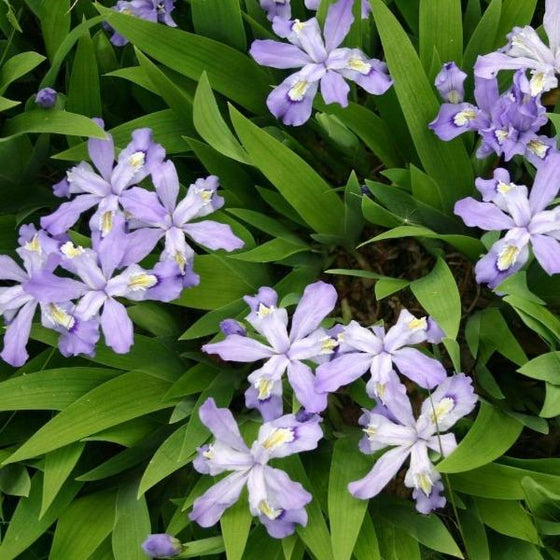


Images Depict Mature Plants
Dwarf Crested Iris
Iris cristata
Dwarf Crested Iris is a wonderful little native for shaded gardens because it gives you real iris flowers without needing a big sunny bed. I like it along woodland paths, under deciduous shrubs, and near ferns or heuchera, where the lavender-blue blooms can be appreciated up close. It is not a plant for wet pond edges or dry hot slopes—think cool woodland soil, light shade, and room to spread gently.

Save Up to 25% On Your Order! Limited Time Only!
Discount Applied Automatically At Checkout
📦 Free shipping on orders over $99.
Delay shipping by leaving us a message at Checkout.
Share:Recommended Add-Ons



Native Woodland Iris for Spring Color and Shaded Groundcover
A Petite Native Iris for Woodland Gardens.
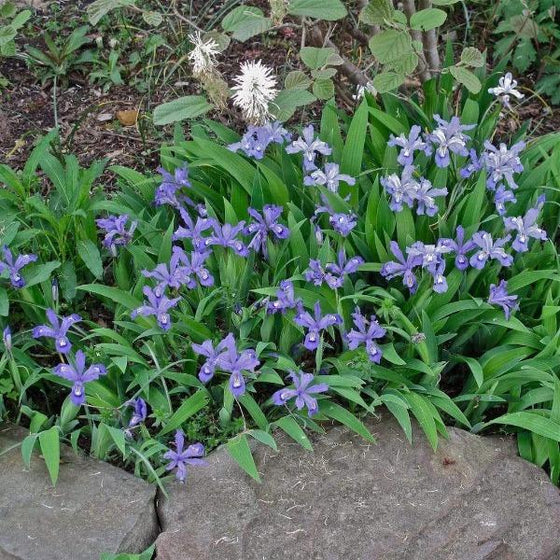
Dwarf Crested Iris is a charming native perennial grown for its low spreading habit, spring flowers, and woodland garden appeal. This compact iris forms shallow rhizomes that slowly spread into attractive patches, making it useful as a flowering groundcover in part shade, shade borders, native plantings, and naturalized woodland spaces. It brings refined spring color to areas where taller iris varieties would feel out of scale.
Lavender-Blue Blooms with a Bright Crest.
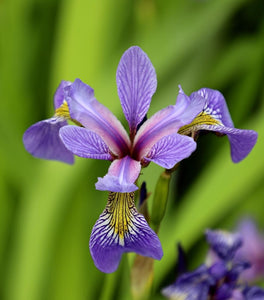
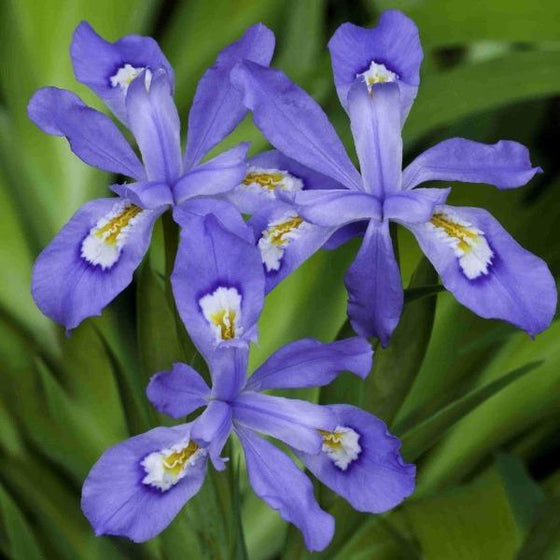
In spring, Dwarf Crested Iris produces delicate lavender-blue to violet-blue flowers with a distinctive white patch and yellow-orange crest on the falls. The flowers sit just above the foliage, creating a close-up garden moment along pathways, woodland edges, and shaded rock gardens. Plant it in groups or drifts for the strongest floral display.
Low-Growing Texture for Shade and Edging.
The narrow, green foliage creates a low, fresh-looking mat after bloom and helps cover the soil throughout the growing season. Dwarf Crested Iris works well along shaded walkways, at the front of woodland borders, beneath deciduous shrubs, around stepping stones, and in naturalized plantings with ferns, carex, heuchera, tiarella, phlox, hellebores, and native groundcovers.
Native, Deer Resistant, and Easy to Naturalize.
Dwarf Crested Iris is native to the eastern United States and is a strong choice for gardeners looking to add native spring interest to shaded spaces. It is generally considered deer-resistant, making it useful where browsing pressure affects softer perennials. Once established in the right site, it spreads gently by rhizomes and can form cheerful woodland colonies.
Best in Cool, Moist, Well-Drained Soil.
Plant Dwarf Crested Iris in part shade to shade with humus-rich, moist, well-drained soil. It likes woodland conditions with spring moisture, organic matter, and protection from hot afternoon sun. Avoid wet, heavy soil that stays soggy and avoid dry, exposed sites. A light layer of leaf mold or compost helps mimic the forest-floor conditions this native iris prefers.
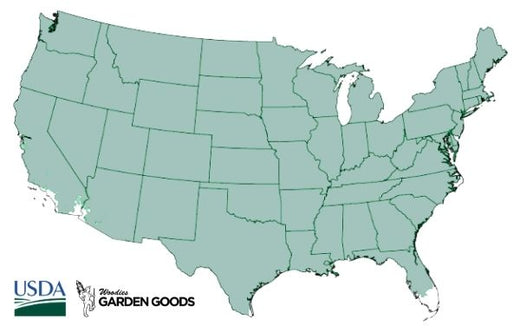
| Hardiness Zone: | 3-9 |
|---|---|
| Mature Height: | 6 to 8 Inches |
| Mature Width: | 6 to 12 inches |
| Sunlight: | Part shade to full shade; tolerates some morning sun in cool, moist sites |
| Soil | Humus-rich, moist, well-drained, neutral to slightly acidic soil |
| Water Requirements: | Average to consistent moisture during active growth; avoid soggy soil |
| Bloom Time / Color | Spring; lavender-blue to violet-blue flowers with white and yellow-orange markings |
| Ornamental Features | Native spring blooms, orange-crested flowers, low spreading habit, woodland texture |
| Wildlife Value | Flowers may support small pollinators in spring |
| Resistance | Generally deer resistant; low maintenance when properly sited |
| Landscape Uses | Woodland gardens, shade borders, native plantings, rock gardens, groundcover, edging, under trees, naturalized colonies, front of shade beds |
How to Care for Dwarf Crested Iris
Before you purchase your Dwarf Crested Iris, be sure to read the care instructions to keep your plant happy and healthy for years to come!
-v1780582102649.png?92x91)
How should I plant Dwarf Crested Iris?
Plant Dwarf Crested Iris in part shade to shade where the soil is humus-rich, moist, and well drained. It performs best in woodland-style conditions with organic matter, spring moisture, and protection from hot afternoon sun. Avoid planting it in hot, dry, exposed sites or in soggy soil that stays wet for long periods. Dig a shallow planting hole wide enough to spread the rhizomes and roots comfortably. Set the rhizomes just below the soil surface, backfill gently, and water thoroughly. Add a light layer of leaf mold, compost, or fine mulch around the planting area to conserve moisture, keeping heavy mulch from burying the crowns too deeply.
-v1780582127967.png?89x84)
How often should I water Dwarf Crested Iris after planting?
Water Dwarf Crested Iris deeply after planting and keep the soil evenly moist while the roots establish. During the first growing season, water whenever the top few inches of soil begin to dry, especially during warm spring weather or dry summer periods. Once established, Dwarf Crested Iris performs best with average to consistent moisture during active growth. It can tolerate normal woodland dry-down later in the season better than many wetland iris types, but it should not be allowed to remain severely dry for long periods.
-v1780582145533.png?90x89)
When should I fertilize Dwarf Crested Iris?
Fertilize Dwarf Crested Iris lightly in spring if growth is weak or the soil is poor. A thin layer of compost or leaf mold is often enough to support healthy foliage, rhizome growth, and spring flowering. Avoid heavy fertilizer applications. This native iris is adapted to woodland soils and does not need rich feeding. Organic matter, good drainage, and consistent moisture are more important than aggressive fertilizing.

When and how should I prune Dwarf Crested Iris?
Remove spent flowers after bloom if you want a tidier appearance, but leave healthy foliage in place through the growing season. The leaves help feed the rhizomes and support the next spring’s flowers. Cut back old or damaged foliage after it yellows naturally or clean up remaining foliage in early spring before new growth emerges. Divide clumps after flowering or in early fall if the planting becomes crowded, spreads beyond the intended area, or flowers less heavily.