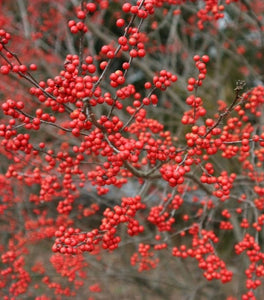
Images Depict Mature Plants
Mr. Poppins® Winterberry Holly
Ilex verticillata 'FARROWMRP'
Mr. Poppins Winterberry Holly is one of those plants that does an important job quietly. It is not the shrub you plant for berries on its own branches, but it is the shrub that helps make those berries happen on nearby female winterberries. I like to think of it as the behind-the-scenes partner for Berry Poppins and other compatible female winterberries. Plant it close by, give it moist acidic soil, and your winterberry display will be much more reliable.

15% OFF SITEWIDE SALE
Use Code 'PRIMETIME15' At Checkout
📦 Free shipping on orders over $99.
Delay shipping by leaving us a message at Checkout.
Share:

Compact Male Winterberry Pollinator for Better Berry Set
The Male Pollinator for Berry-Producing Winterberries.
Mr. Poppins® Winterberry Holly is a compact male winterberry selected to pollinate compatible female winterberry hollies. It is especially valuable when planted near female varieties such as Berry Poppins®, helping them produce the bright red winter berries that make winterberry hollies so popular. Mr. Poppins® itself does not produce berries, but it plays the essential role of providing pollen for female plants.
Small White Flowers That Make Winter Berries Possible.
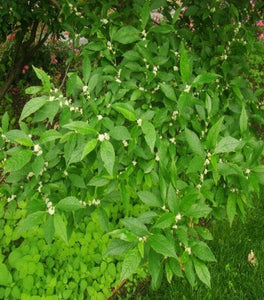
In spring, Mr. Poppins® Winterberry Holly produces small white male flowers. These flowers may not be showy from a distance, but they are important for pollination. When planted within pollinating distance of a compatible female winterberry, Mr. Poppins® helps ensure the female plant can set fruit for fall and winter color.
Native Deciduous Holly for Moist Garden Sites.
Winterberry holly is a deciduous holly, meaning it loses its leaves in fall rather than remaining evergreen. This is part of its winter appeal because the female plants show off berries on bare stems after leaf drop. Mr. Poppins® provides the same native shrub character, green summer foliage, and tolerance of moist soil, rain gardens, low areas, and naturalized planting edges.
Compact, Low Maintenance, and Easy to Place.
Mr. Poppins® Winterberry Holly stays smaller than many traditional winterberry pollinators, making it easier to fit into residential landscapes. Use it near female winterberries in shrub borders, native plantings, foundation beds, rain gardens, or mixed wildlife plantings. One properly placed male winterberry can pollinate multiple compatible female plants, making it an efficient addition to a berry-focused planting.
Deer Resistant and Wet Soil Tolerant.
Mr. Poppins® Winterberry Holly is a practical choice for full sun to part shade and moist, acidic soil. It can tolerate wet conditions better than many ornamental shrubs once established. Winterberries are also generally considered deer-resistant, though no shrub is completely deer-proof under severe browsing pressure. For best flowering and pollination, plant in good light and avoid overly dry, alkaline soil.
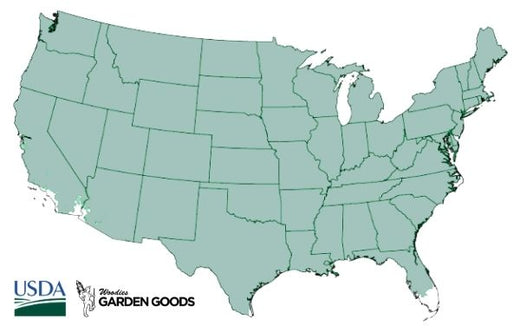
| Hardiness Zone: | 3-9 |
|---|---|
| Mature Height: | 3 to 4 Feet |
| Mature Width: | 3 to 4 Feet |
| Sunlight: | Full sun to partial shade |
| Soil: | Moist, acidic, well-drained to wet soil; adaptable to average garden soil if not too dry or alkaline |
| Water: | Average to high; water well until established and during dry periods |
| Bloom Time / Color: | Spring; small white male flowers |
| Berry / Fruit: | Male pollinator; does not produce ornamental berries |
| Ornamental Features: | Compact habit, native shrub character, pollination value for female winterberries |
| Wildlife Value: | Helps female winterberries produce berries that support birds and wildlife |
| Pollination: | Male plant; pollinates compatible female winterberries such as Berry Poppins® |
| Resistance (deer/disease/drought/etc.): | Deer resistant, wet soil tolerant, low maintenance |
| Landscape Uses: | Pollinator for female winterberries, native gardens, rain gardens, shrub borders, foundation plantings, wildlife gardens, moist low areas, mixed hedges |
How to Care for Mr. Poppins® Winterberry Holly
Before you buy a Mr. Poppins® Winterberry Holly, make sure to read about the recommended care instructions to keep your Holly healthy and thriving.

How should I plant Mr. Poppins Winterberry Holly?
Plant Mr. Poppins Winterberry Holly in full sun to part shade where the soil is moist, acidic, and well drained to wet. Choose a location near compatible female winterberry hollies so pollination can occur. For best berry production on female plants, place the male shrub close enough that pollinators can move easily between flowers. Dig a hole about twice as wide as the root ball and no deeper than the container. Set the top of the root ball level with the surrounding soil, backfill gently, and water thoroughly. Add a 2- to 3-inch mulch layer around the plant to conserve moisture and keep the root zone cool, keeping mulch slightly pulled back from the stems.

How often should I water Mr. Poppins Winterberry Holly after planting?
Water Mr. Poppins Winterberry Holly deeply after planting and keep the soil evenly moist during the first growing season. Winterberry hollies prefer more moisture than many landscape shrubs, especially while their root systems are establishing. Once established, Mr. Poppins can tolerate moist and even wet garden conditions, but it should still be watered during extended dry periods. Avoid letting the soil become extremely dry for long stretches, especially in sunny locations or sandy soils.

When should I fertilize Mr. Poppins Winterberry Holly?
Fertilize Mr. Poppins Winterberry Holly in early spring if growth is weak or the soil is poor. Use a fertilizer formulated for acid-loving shrubs, or apply a light layer of compost around the root zone. Avoid heavy fertilizing, especially late in the season. Too much fertilizer can encourage soft growth, while proper soil moisture, acidic soil conditions, and good sunlight are more important for healthy winterberry performance.

When and how should I prune Mr. Poppins Winterberry Holly?
Prune Mr. Poppins Winterberry Holly in late winter or early spring before new growth begins. Remove dead, damaged, crossing, or crowded branches as needed. Light shaping is usually all that is required. Avoid heavy pruning right before or during the bloom period because the male spring flowers are needed for pollination. Since Mr. Poppins does not produce berries, pruning will not remove its own fruit display, but it can reduce the number of flowers available to pollinate nearby female winterberries.