

Images Depict Mature Plants
Pretty Lady Susan Anemone
Anemone × hybrida ‘Pretty Lady Susan’
Pretty Lady Susan Anemone is a smart choice when you like Japanese anemones but do not want a tall, spreading back-of-border plant. The dark pink flowers give you strong late-season color, and the shorter habit makes it easier to use near walkways, patios, containers, and smaller part-shade beds. Give it moisture, filtered light, and a little room to fill out.

20% OFF SITEWIDE SALE
Use Code 'OCTOBER20' At Checkout
📦 Free shipping on orders over $99.
Delay shipping by leaving us a message at Checkout.
Share:


A Compact Japanese Anemone with Dark Pink Late-Season Flowers
Dark Pink Flowers on a Shorter Japanese Anemone
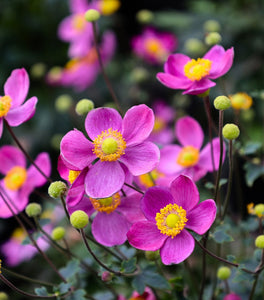
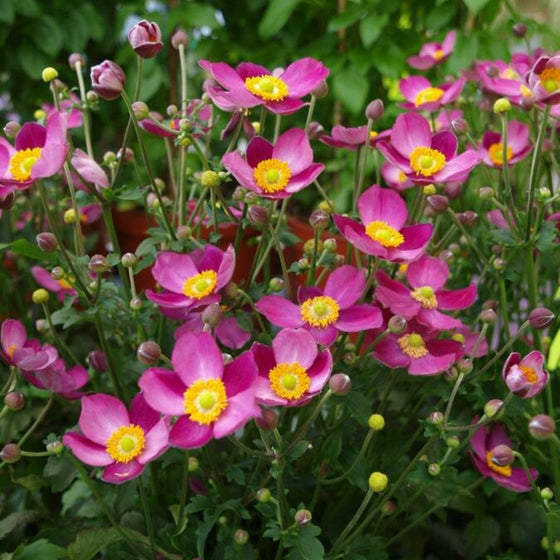
Pretty Lady Susan Anemone is a compact fall-blooming perennial known for large dark-pink flowers, yellow centers, and a shorter garden habit than many traditional Japanese anemones. Part of the Pretty Lady Series, this cultivar brings the graceful late-season look of Japanese anemones into smaller borders, containers, and part-shade planting spaces.
The flowers appear from late summer into early fall and rise above attractive green foliage on upright stems. Their rich pink color makes Pretty Lady Susan especially useful where gardeners want a bolder pink alternative to softer selections like September Charm, but with a shorter, tidier habit.
A Pretty Lady Series Anemone for Smaller Gardens
Pretty Lady Susan stands out for offering a Japanese anemone charm in a more compact form. Instead of reaching 3–4 feet like many older fall-blooming anemones, this selection typically stays around 14–18 inches tall, making it easier to place near border fronts, walkways, patio edges, and containers.
Its compact size also makes it useful in smaller gardens where taller anemones may feel out of place. Plant several together for a stronger bloom effect, or repeat them through a part-shade bed for rhythm and late-season color.
Single Pink Flowers with Yellow Stamens
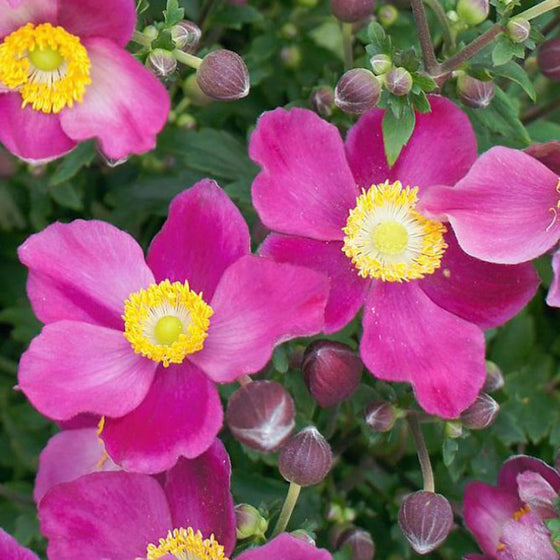
Pretty Lady Susan produces large, single, dark-pink flowers, often up to 2 inches across. Each bloom has a bright yellow center that adds contrast and helps the flowers stand out against the green foliage.
The single flower form gives the plant a clean, open look that pairs beautifully with hostas, ferns, hellebores, heuchera, brunnera, astilbe, sedum, ornamental grasses, asters, turtlehead, and black-eyed Susans. It works well in cottage gardens, woodland edges, and mixed perennial beds where natural movement and seasonal bloom are part of the design.
Late-Season Color for Part Shade and Containers
Pretty Lady Susan Anemone performs well in part shade, especially in bright filtered light or morning sun with afternoon shade. In cooler climates, it can also grow in full sun if soil moisture stays consistent. In hotter regions, afternoon shade helps protect foliage and flowers.
Because of its shorter habit, Pretty Lady Susan is also useful in containers and patio planters. Use it as a late-season filler where its pink flowers can be seen up close. Consistent moisture is especially important when growing Japanese anemones in containers.
Low Maintenance with Moisture and Good Drainage
Plant Pretty Lady Susan Anemone in rich, moist, well-drained soil. It prefers consistent moisture and performs best where the soil does not dry out for long periods. Mulch helps conserve moisture and keep the root zone cool.
Cut back old stems and foliage in late winter or early spring, before new growth begins. Deadheading is optional during bloom season. In good conditions, the plant can gradually expand into a fuller clump, but its compact size makes it easier to manage than many larger Japanese anemones.
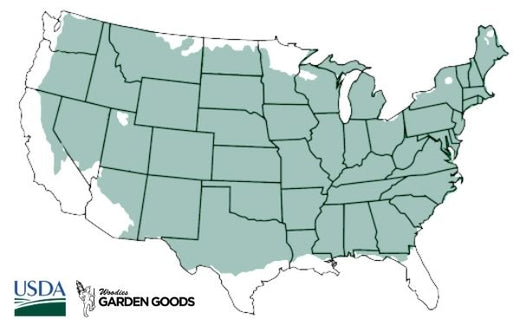
| Hardiness Zone: | 4-8 |
|---|---|
| Mature Height: | 14 to 18 Inches |
| Mature Width: | 16 to 18 Inches |
| Sunlight: | Part shade preferred; tolerates full sun in cooler climates with consistent moisture |
| Soil | Average to fertile, moist, well-drained soil |
| Water | Water regularly after planting; prefers consistent moisture and should not dry out for long periods |
| Bloom Time / Color | Late summer to early fall; large single dark-pink flowers with yellow centers |
| Ornamental Features | Compact habit, dark pink flowers, yellow stamens, late-season bloom, container-friendly size |
| Wildlife Value | Flowers may attract bees and other late-season pollinators |
| Water Requirements: | Water well until established |
| Resistance | Generally deer resistant; low maintenance with consistent moisture; compact and manageable compared with taller Japanese anemones |
| Landscape Uses | Fall border, part shade garden, woodland edge, cottage garden, mixed perennial bed, container filler, patio planting, border front, mass planting, late-season pollinator planting |
How to Care for Pretty Lady Susan Anemone
Once you buy a Pretty Lady Susan Anemone, make sure to read about the care instructions that are recommended to keep this plant healthy and thriving.
-v1782304534261.png?92x91)
How should I plant Pretty Lady Susan Anemone?
Plant Pretty Lady Susan Anemone in part shade with moist, well-drained soil. Choose a location where the compact pink flowers can be enjoyed up close, such as a border front, walkway edge, patio bed, container, woodland edge, or mixed perennial planting. Dig a hole about as wide as the root ball and just as deep. Set the crown level with the surrounding soil, backfill gently, and water thoroughly. Space plants about 16–18 inches apart to allow each clump to mature without crowding.

How often should I water Pretty Lady Susan Anemone after planting?
Water Pretty Lady Susan Anemone deeply after planting, then keep the soil evenly moist while roots establish. During the first growing season, water when the top few inches of soil begin to dry. Established plants perform best with consistent moisture, especially in sunnier locations, containers, or during late-summer heat. Avoid letting the soil dry out for long periods, because moisture stress can reduce flowering and foliage quality.

When should I fertilize Pretty Lady Susan Anemone?
Pretty Lady Susan Anemone usually needs little fertilizer when planted in average to fertile garden soil. A light spring topdressing of compost or leaf mold is often enough to support healthy growth and flowering. Avoid heavy fertilizing, especially with high-nitrogen products. Too much fertility can encourage soft growth. Moisture, mulch, and good soil structure are more important than frequent feeding.

When and how should I prune Pretty Lady Susan Anemone?
Cut Pretty Lady Susan Anemone back in late winter or early spring before new growth begins. Remove old stems and tired foliage to make room for fresh spring growth. During bloom season, deadheading is optional. You can remove spent flowers for a tidier look, or leave some stems standing briefly for a natural late-season appearance. If the clump becomes crowded over time, divide in spring.