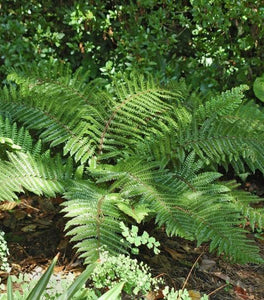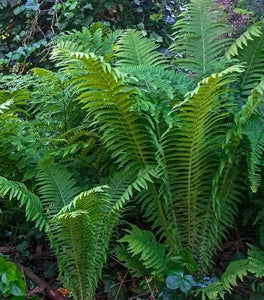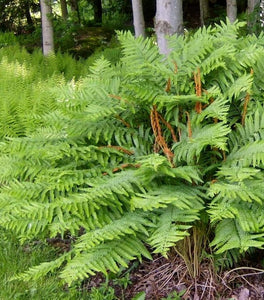


Images Depict Mature Plants
Maidenhair Fern
Adiantum pedatum
Maidenhair Fern is one of the most elegant ferns you can plant in a shade garden. The black stems and soft fan-shaped fronds give it a texture you do not get from broader ferns or hostas. The key is moisture. Give it cool shade, organic soil, and steady water, and it becomes a beautiful woodland accent. Put it in hot dry shade, and it will let you know quickly.

15% OFF SITEWIDE, USE CODE 'FALLPLANT15'
📦 Free shipping on orders over $99.
Delay shipping by leaving us a message at Checkout.
Share:

A Delicate Hardy Fern for Moist Shade and Woodland Texture
Elegant Fan-Shaped Fronds with Dark Wiry Stems
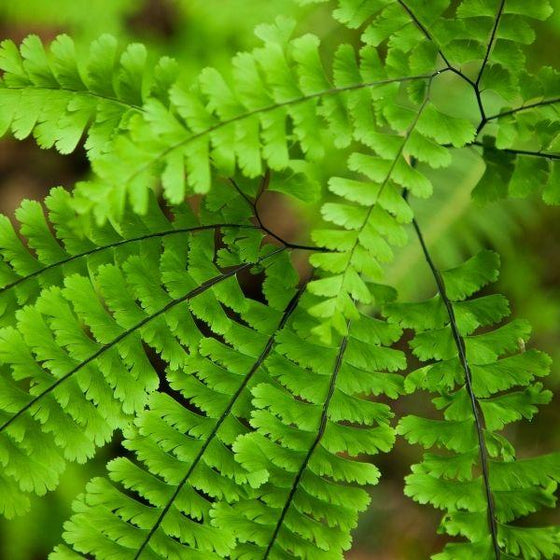
Maidenhair Fern is a refined shade perennial grown for its delicate fan-shaped fronds, dark wiry stems, and soft woodland texture. Also called Northern Maidenhair Fern, this hardy fern brings an airy, graceful look to shaded beds where bold foliage plants need a finer companion.
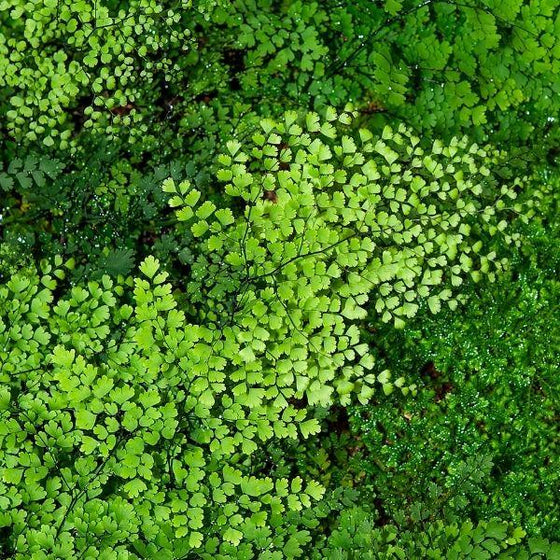
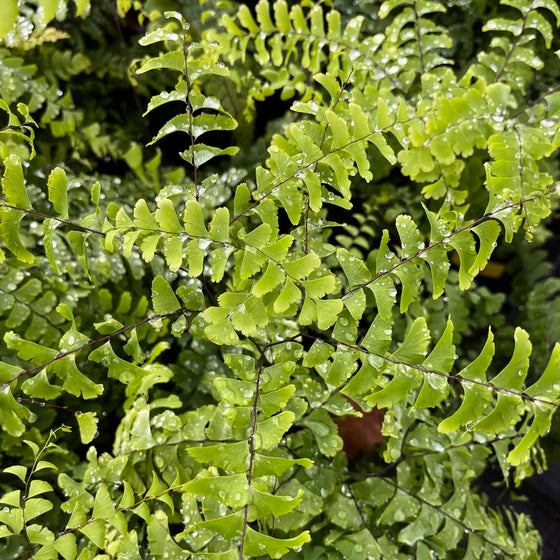
The fronds are arranged in a distinctive circular or horseshoe-like pattern, with small green leaflets held on thin black stems. This gives Maidenhair Fern a light, layered appearance that feels elegant without being flashy. It is especially beautiful near paths, shaded patios, woodland edges, and close-view garden spaces where the fine detail can be appreciated.
A Native Woodland Fern for Cool, Shaded Beds
Maidenhair Fern is well-suited to shade gardens, woodland borders, native plantings, and under-tree gardens with rich, organic soil. It brings a natural forest-floor look that pairs beautifully with hostas, hellebores, heuchera, brunnera, astilbe, foamflower, wild ginger, and spring ephemerals.
This fern is best used in soil that stays consistently moist but well-drained. It can tolerate some mild dryness once established, but it looks its best in cool, shaded locations with leaf mold, compost, mulch, and protection from hot afternoon sun.
Perfect for Shade Gardens, Woodland Paths, and Underplanting
Maidenhair Fern works beautifully as a textural accent in part shade to full shade. Use it along woodland paths, beneath deciduous trees, around shrubs, near shaded water features, in native plant gardens, or at the front of cool shaded borders.
It spreads slowly by creeping rhizomes and can form graceful colonies over time. Because the texture is fine and delicate, plant it in small groups or drifts for a stronger visual effect. It is best placed where it will not be crowded by aggressive groundcovers or scorched by direct summer sun.
Deer Resistant, Rabbit Resistant, and Low Maintenance in the Right Site
Maidenhair Fern is generally considered deer-resistant and rabbit-resistant, making it a useful choice for shaded landscapes where browsing pressure can be frustrating. No plant is completely deer-proof, but ferns are often lower-risk than many tender flowering perennials.
This plant is low maintenance when its site matches its natural woodland preferences. It does not need heavy fertilizer or frequent pruning. The most important care requirement is moisture. If the soil becomes too dry or if the plant receives too much sun, fronds may brown or decline before the end of the season.
Easy Care with Shade, Moisture, and Spring Cleanup
Plant Maidenhair Fern in part shade to full shade with humus-rich, moist, well-drained soil. Add compost, leaf mold, or organic mulch to help mimic woodland conditions and conserve soil moisture.
Water regularly after planting until the roots establish. During dry weather, provide deep watering to prevent frond browning. Old fronds die back in winter and can be removed in late winter or early spring before new fiddleheads unfurl. Once established in the right site, Maidenhair Fern becomes a long-lived, elegant shade garden plant.
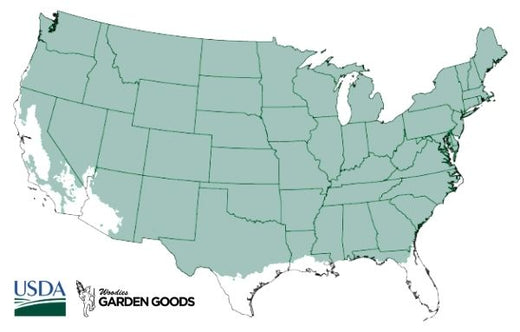
| Hardiness Zone | 3-8 |
|---|---|
| Mature Height: | 12 to 24 Inches |
| Mature Width: | 12 to 24 Inches |
| Sunlight: | Part shade to full shade; protect from hot afternoon sun |
| Soil | Moist, humus-rich, well-drained, acidic to neutral woodland soil |
| Water | Water regularly after planting; prefers consistent moisture; tolerates only mild drought once established |
| Bloom Time / Color | Non-flowering fern; grown for foliage |
| Foliage: | Delicate green fan-shaped leaflets on dark wiry stems; circular to horseshoe-like frond arrangement |
| Ornamental Features | Dark stems, lacy foliage, fan-shaped fronds, fine woodland texture, graceful colony-forming habit |
| Wildlife Value | Provides woodland cover and native plant diversity; generally not a nectar plant |
| Resistance | Generally deer resistant and rabbit resistant; low maintenance in cool moist shade; may brown in heat, drought, or sun |
| Landscape Uses | Shade gardens, woodland gardens, native plantings, under trees, shaded borders, path edges, water garden edges, shrub underplanting, fern collections |
How to Care for Maidenhair Fern
Be sure to read our planting instructions to ensure a healthy and happy Maidenhair Fern, for years to come!
-v1781644586037.png?92x91)
How should I plant Maidenhair Fern?
Plant Maidenhair Fern in part shade to full shade with moist, humus-rich, well-drained soil. Choose a cool protected location beneath trees, along woodland paths, around shrubs, or in a shaded border where the plant is protected from hot afternoon sun. Dig a hole about as wide as the root ball and just as deep. Set the crown level with the surrounding soil, backfill gently, and water thoroughly. Add compost or leaf mold if the soil is poor, and mulch lightly to help conserve moisture without burying the crown.
-v1781644606479.png?89x84)
How often should I water Maidenhair Fern after planting?
Water Maidenhair Fern deeply after planting, then keep the soil consistently moist while roots establish. During the first growing season, check the soil regularly and water when the top few inches begin to dry. Established plants still prefer even moisture, especially during summer heat. Maidenhair Fern can tolerate mild dryness once established, but drought stress may cause fronds to brown or die back early.
-v1781644626374.png?90x89)
When should I fertilize Maidenhair Fern?
Maidenhair Fern usually needs little fertilizer when planted in rich woodland-style soil. A light spring topdressing of compost, leaf mold, or shredded leaves is usually enough to support healthy growth. Avoid heavy fertilizer, especially high-nitrogen products. Too much fertility is unnecessary and can encourage soft growth. Moisture, shade, and organic soil matter are more important than regular feeding.

When and how should I prune Maidenhair Fern?
Prune Maidenhair Fern by removing old or damaged fronds in late winter or early spring before new growth appears. Use clean shears and cut the old fronds close to the base without damaging emerging fiddleheads. During the growing season, remove browned or broken fronds as needed. If summer heat or drought causes the plant to decline, improve watering and shade conditions rather than cutting back healthy growth unnecessarily.