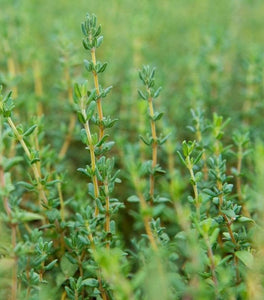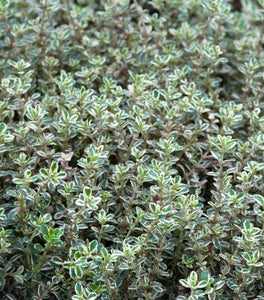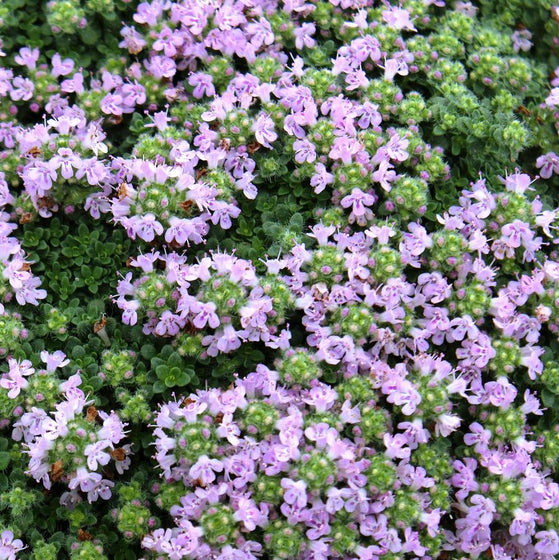


Images Depict Mature Plants
Elfin Thyme
Thymus serpyllum 'Elfin'
Elfin Thyme is one of the best little plants for adding charm to sunny paths and stonework. It stays low, smells wonderful when brushed, and softens hard edges without looking messy. I like it between stepping stones, along rock walls, and in small sunny pockets where a larger groundcover would be too much. The only real secret is drainage—give it full sun and soil that dries out between waterings, and it will reward you with a tight, fragrant carpet.

15% OFF, USE CODE 'MIDSUMMER15'
Does NOT Apply to 'BOGO' Products
📦 Free shipping on orders over $99.
Delay shipping by leaving us a message at Checkout.
Share:Recommended Add-Ons


Miniature Creeping Thyme for Pavers, Paths, and Sunny Groundcover
A Tiny Groundcover with Big Garden Value.
Elfin Thyme is a miniature creeping thyme grown for its tight mat of tiny aromatic leaves and low, spreading habit. This charming groundcover stays very short, making it ideal for planting between stepping stones, along sunny walkways, in rock gardens, at the edge of borders, and in small containers. It brings a finished, natural look to spaces where mulch or bare soil would feel too plain.
Lilac-Purple Flowers for Summer Color.
In early summer, Elfin Thyme produces small lilac-purple flowers that soften the foliage and add a colorful carpet-like effect. The flowers may attract bees, butterflies, and other beneficial pollinators, making this tiny groundcover useful as well as ornamental. Even when not in bloom, the fine evergreen foliage provides texture and fragrance through much of the year.
Fragrant Foliage for Stepping-Stone Paths.
Elfin Thyme is a beautiful choice for cracks between flagstones, garden paths, and low-use patio edges because the foliage releases a pleasant herbal scent when brushed or lightly stepped on. It can handle occasional light foot traffic once established, but it is not meant for heavy daily use like a lawn. Use it where gardeners can enjoy the fragrance without compacting or damaging the plants.
Drought-tolerant and deer-resistant once established.
Once established, Elfin Thyme is drought-tolerant and well-suited to sunny, low-water landscapes. It is also generally deer-resistant, making it a practical choice for exposed sites where browsing pressure is a concern. Its small leaves and aromatic oils help make it less appealing to deer than many softer groundcovers.
Best in Full Sun and Excellent Drainage.
Elfin Thyme performs best in full sun and sharply drained soil. It dislikes soggy conditions, heavy wet clay, and areas where water collects in winter. Plant it in sandy, gritty, or amended soil where roots can stay dry between waterings. Avoid overfertilizing, which can encourage weak, open growth instead of the dense mat gardeners want from creeping thyme.
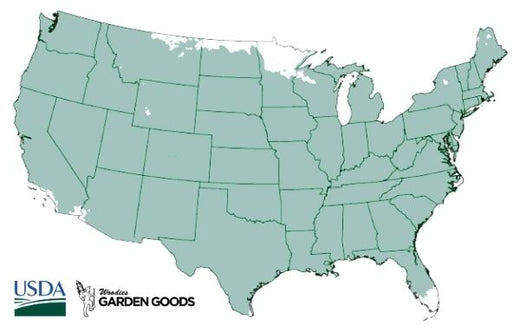
| Hardiness Zone: | 4-9 |
|---|---|
| Mature Height: | 1 to 3 Inches |
| Mature Width: | 8 to 12 Inches |
| Sunlight: | Full sun (best flowering) |
| Soil | Sandy, rocky, gritty, or average soil with excellent drainage |
| Water | Low once established; water regularly during establishment |
| Bloom Time / Color | Early summer; lilac-purple to pinkish-purple flowers |
| Evergreen Habit | Evergreen to semi-evergreen depending on climate |
| Foliage | Tiny aromatic green leaves forming a tight low mat |
| Ornamental Features | Miniature foliage, fragrant leaves, low mat-forming habit, summer flowers |
| Wildlife Value | Flowers attract bees, butterflies, and other pollinators |
| Resistance | Deer resistant, drought tolerant once established, heat tolerant, low maintenance |
| Landscape Uses | Between pavers, stepping-stone paths, rock gardens, edging, containers, sunny groundcover, xeriscapes, retaining wall edges, low-use lawn substitute |
How to Care for Elfin Thyme
Once you buy Elfin Thyme, make sure to read about the care instructions that are recommended to keep this plant healthy and thriving.

How should I plant Elfin Thyme?
Plant Elfin Thyme in full sun where the soil drains quickly. This plant performs best in sandy, rocky, gritty, or amended soil and should not be planted in soggy areas. If planting between pavers or flagstones, loosen the soil first and amend heavy clay with grit, sand, or fine gravel to improve drainage. Dig a small hole just deep enough for the root ball and set the plant at the same depth it was growing in the container. Backfill gently, water thoroughly, and avoid burying the crown. Space plants so they have room to spread into a low mat, and keep weeds controlled while they establish.

How often should I water Elfin Thyme after planting?
Water Elfin Thyme deeply after planting and keep the soil lightly moist while roots establish. During the first growing season, water when the top few inches of soil become dry, especially during hot, windy, or dry weather. Once established, Elfin Thyme is drought-tolerant and usually needs little supplemental water. Avoid frequent shallow watering or constantly wet soil. In containers or between hot pavers, check moisture more often because the planting area can dry quickly.

When should I fertilize Elfin Thyme?
Fertilize Elfin Thyme lightly in spring only if growth is weak or the soil is extremely poor. A small amount of compost or a very light application of balanced slow-release fertilizer is usually enough. Avoid heavy feeding. Too much fertilizer can cause loose, floppy growth and reduce the tight, dense mat that makes Elfin Thyme desirable. Full sun, lean soil, and good drainage are more important than rich fertility.

When and how should I prune Elfin Thyme?
Prune or lightly shear Elfin Thyme after flowering if the plant begins to look open, woody, or uneven. A light trim helps encourage denser growth and keeps the mat neat. Avoid cutting into old bare woody stems too aggressively. Remove dead patches as needed and replant small divisions or plugs into gaps. If a planting becomes too woody after several years, refresh it by dividing healthy sections or replacing older plants.