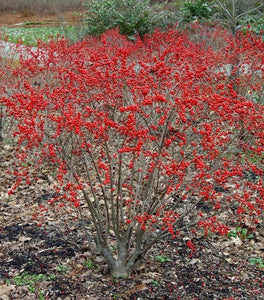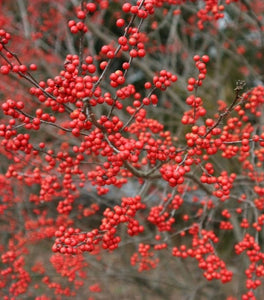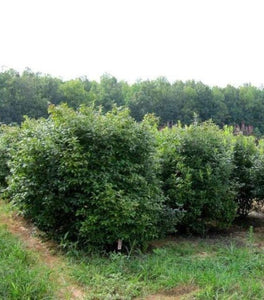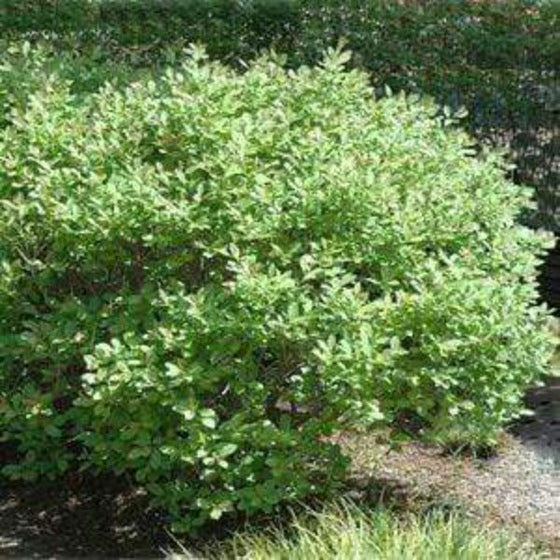
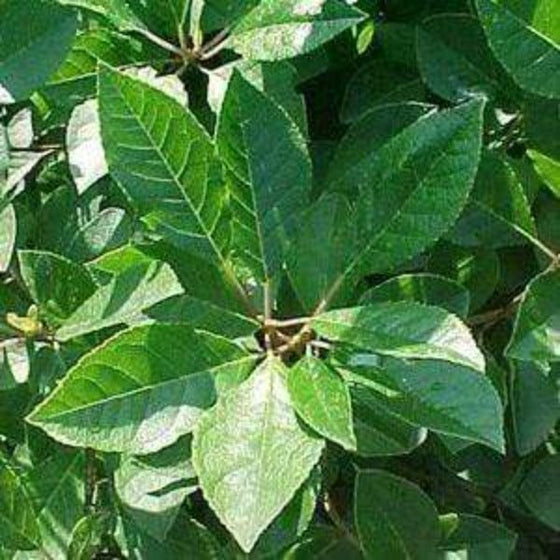


Images Depict Mature Plants
Jim Dandy Winterberry Holly
Ilex verticillata 'Jim Dandy'
Jim Dandy is one of those plants that may not be the star of the show, but it is what makes the show happen. If homeowners want big winterberry color on female plants like Red Sprite, this is the shrub that does the work behind the scenes, and it still brings a solid native shrub presence to the landscape.

Save Up to 25% On Your Order! Limited Time Only!
Discount Applied Automatically At Checkout
📦 Free shipping on orders over $99.
Delay shipping by leaving us a message at Checkout.
Share:

The Essential Male Winterberry Holly for Strong Berry Production on Early Female Varieties
A pollinator shrub that makes the berry show happen
Jim Dandy Winterberry Holly is the plant homeowners need when they want female winterberries to perform at their best. While the female varieties get attention for their bright winter berries, they cannot produce that signature display without a nearby male pollinator. Jim Dandy fills that role beautifully, helping early-blooming female winterberries develop the heavy fruit set that gives fall and winter landscapes so much life.
An excellent match for early-blooming female winterberries
This shrub is valued first and foremost for its pollen. Jim Dandy is a male winterberry holly selected for pollinating early-blooming female winterberries, making it the classic partner for cultivars such as Red Sprite. When used correctly in a planting plan, it turns a nice winterberry grouping into a much more vivid and reliable berry display.
Attractive foliage and a tidy form still add landscape value
Even though it is planted primarily for function, Jim Dandy is still a handsome shrub in its own right. It has rich green foliage throughout the growing season and a dense, upright, rounded to oval form that blends easily into native shrub borders, rain gardens, and mixed landscape beds. It can act as a quiet supporting shrub while doing the important work of pollination nearby.
Very useful in rain gardens, native borders, and mixed shrub groupings
Jim Dandy fits especially well in landscapes where winterberries naturally belong. It performs beautifully in rain gardens, moist borders, native plantings, and naturalized areas, and it also works well in more traditional mixed shrub beds. Since it does not produce ornamental berries of its own, it is often best tucked just behind or beside the female winterberries it is meant to support.
Moist acidic soil and correct pairing matter most
Jim Dandy Winterberry Holly performs best in full sun to partial shade and in slightly acidic soil with steady moisture. It tolerates wet sites better than many ornamental shrubs, which makes it especially valuable in rain-garden and moisture-retentive areas. The most important thing to get right is bloom compatibility, since Jim Dandy is the go-to male pollinator for early-blooming female winterberries like Red Sprite rather than later-blooming selections.
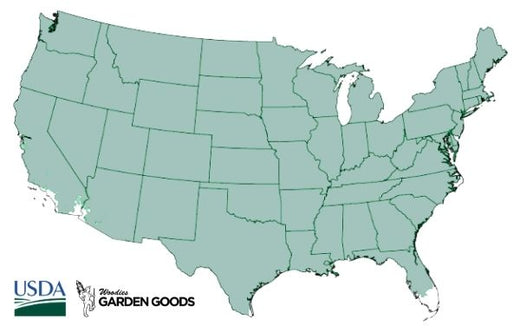
| Hardiness Zone: | 3-9 |
|---|---|
| Mature Height: | 3 to 6 Feet |
| Mature Width: | 4 to 6 Feet |
| Sunlight: | Full sun to partial shade |
| Soil: | Slightly acidic, evenly moist, well-drained soil; tolerates wet sites |
| Water: | Water well until established; prefers steady moisture |
| Bloom Time / Color: | Late spring; small inconspicuous white flowers |
| Ornamental Features: | Dense twiggy oval-to-rounded habit, useful native shrub form, pollinator value for female winterberries |
| Wildlife Value: | Native shrub with seasonal cover value; supports berry production on nearby female winterberries |
| Pollination Role: | Male plant; used to pollinate early-blooming female winterberries such as Red Sprite |
| Resistance (deer/disease/drought/etc.): | Adaptable, cold hardy, useful in wet sites |
| Landscape Uses: | Pollinator shrub, rain gardens, native borders, mixed shrub plantings, naturalized areas, berry-garden companion plantings |
How to Care for Jim Dandy Winterberry Holly
Before you buy an Jim Dandy Winterberry Holly, make sure to read about the recommended care instructions to keep your plant healthy and thriving.

How should I plant Jim Dandy Winterberry Holly?
Plant Jim Dandy Winterberry Holly in full sun to partial shade in slightly acidic soil that stays evenly moist but still drains reasonably well. Dig a hole about twice as wide as the root ball and no deeper than the root ball itself, then set the shrub so the top of the root ball sits level with or slightly above the surrounding soil. Backfill with the native soil, water deeply, and apply mulch around the base to help conserve moisture and regulate soil temperature. When planting for pollination, place Jim Dandy within the same general planting area as compatible early-blooming female winterberries so pollinating insects can easily move between plants during bloom.

How often should I water Jim Dandy Winterberry Holly after planting?
Water Jim Dandy Winterberry Holly deeply right after planting, then keep the soil evenly moist during the first growing season while the roots establish. In most home landscapes, that means regular watering during dry spells, especially in summer and early fall. Once established, this shrub handles moist conditions better than many landscape plants and can tolerate wetter soils. It still performs best when moisture remains fairly steady, especially if it is being used in a berry-production planting where healthy flowering matters.

When should I fertilize Jim Dandy Winterberry Holly?
Fertilize Jim Dandy Winterberry Holly lightly in early spring if needed, using a balanced slow-release fertilizer for shrubs or acid-loving plants. A modest spring feeding can support healthy branching and flower production without encouraging weak, overly soft growth. Avoid heavy fertilizing, especially if the shrub is being grown primarily for pollination. In most landscapes, proper siting, mulch, and steady moisture do more for long-term performance than aggressive feeding.

When and how should I prune Jim Dandy Winterberry Holly?
Prune Jim Dandy Winterberry Holly in late winter or early spring before new growth begins if shaping or thinning is needed. Start by removing any dead, damaged, or crowded stems, then make selective cuts to preserve the shrub’s natural upright-rounded form. Avoid heavy annual pruning that removes too much flowering wood. Since this plant is grown to provide pollen for nearby female winterberries, maintaining good flower production is more important than forcing it into an overly tight shape.