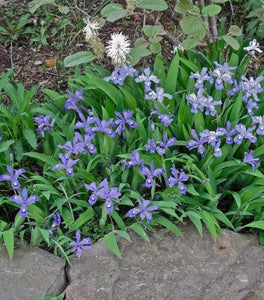
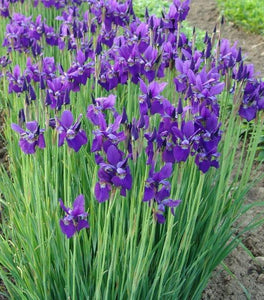
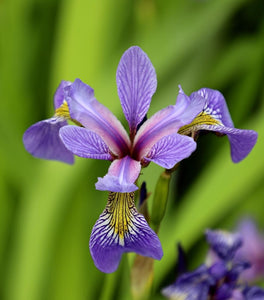
Images Depict Mature Plants
Purple Flame Blue Flag Iris
Iris versicolor 'Purple Flame'
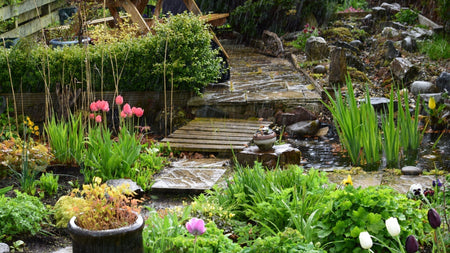
Purple Flame Iris versicolor is a much better fit for rain gardens and damp spots than a bearded iris would be. This is the kind of iris I would use where the soil stays moist, along a pond edge, or in a low area that needs something more interesting than mulch. The purple flowers give you that classic iris look, but the plant has the toughness and native wetland character that makes it useful in real landscapes. Give it moisture and sun to part shade, and let it naturalize.

15% OFF SITEWIDE SALE
Use Code 'PRIMETIME15' At Checkout
📦 Free shipping on orders over $99.
Delay shipping by leaving us a message at Checkout.
Share:Recommended Add-Ons



Native Purple Blue Flag Iris for Wet Soil and Rain Gardens
A Moisture-Loving Iris for Wet Garden Spaces.
Purple Flame Blue Flag Iris is a moisture-loving Iris versicolor selection grown for purple-blue flowers, upright foliage, and strong performance in damp garden soils. This native-style iris is ideal for rain gardens, pond edges, stream banks, wet meadows, bog gardens, and low areas where traditional border perennials may struggle. It brings bold flower color and vertical texture to landscapes that stay consistently moist.
Purple Flowers with Classic Blue Flag Character.
In late spring to early summer, Purple Flame Iris versicolor produces showy purple to violet-blue iris flowers above clumps of narrow, sword-like foliage. The blooms have the graceful form and veining associated with blue flag iris, giving wet gardens a natural, elegant look. The flowers may attract pollinators and provide seasonal color before many summer perennials reach their peak.
Native Texture for Rain Gardens and Pond Edges.
Iris versicolor is native to eastern North America and is naturally associated with marshes, streambanks, shorelines, and wet meadows. Purple Flame brings that same wet-soil adaptability into designed landscapes. Use it along pond margins, in bioswales, at the edge of drainage areas, or in native plantings where moisture-loving perennials are needed.
Deer Resistant and Low Maintenance.
Purple Flame Blue Flag Iris is generally considered deer resistant, making it useful in native and naturalized plantings where browsing pressure is common. Once established in the right site, it needs little maintenance beyond cutting back old foliage and dividing clumps when they become crowded. It spreads slowly by rhizomes to form attractive colonies over time.
Best in Sun to Part Shade and Moist Soil.
Plant Purple Flame Iris versicolor in full sun to part shade with consistently moist to wet soil. It performs well in moisture-retentive soil and tolerates shallow standing water at the edges of ponds or water gardens. Unlike bearded iris, this iris should not be planted in dry, exposed conditions. Give it moisture, light, and room to naturalize, and it will reward you with dependable seasonal color.
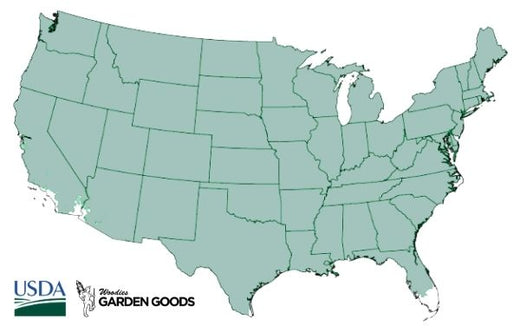
| Hardiness Zone: | 3-9 |
|---|---|
| Mature Height: | 24 to 30 inches |
| Mature Width: | 24 to 30 inches |
| Sunlight: | Full sun to part shade |
| Soil | Acidic to neutral, moist to wet, humus-rich soil; tolerates clay and poorly drained soil |
| Water Requirements: | High; keep consistently moist or plant near shallow water |
| Bloom Time / Color | Late spring to early summer; purple to violet-blue flowers |
| Ornamental Features | Purple-blue flowers, upright foliage, wet-soil performance, naturalizing habit |
| Wildlife Value | Flowers may attract bees, butterflies, hummingbirds, and other pollinators |
| Resistance | Deer resistant, wet soil tolerant, low maintenance |
| Landscape Uses | Rain gardens, pond edges, streambanks, bog gardens, water gardens, moist borders, native gardens, wet meadows, bioswales, naturalized plantings |
How to Care for Purple Flame Blue Flag Iris
Be sure to read our planting instructions to ensure a healthy and happy Purple Flame Blue Flag Iris plant for years to come!
-v1779817617012.png?92x91)
How should I plant Purple Flame Blue Flag Iris?
Plant Purple Flame Blue Flag Iris in full sun to part shade where the soil stays consistently moist to wet. This is a moisture-loving Iris versicolor, not a dry-site bearded iris. It is ideal for rain gardens, pond edges, bog gardens, low areas, and moist borders. Dig a hole wide enough to spread the rhizomes and roots comfortably. Plant the rhizome just below the soil surface in moist soil, firm gently, and water thoroughly. If planting near a pond or water garden, place it where the crown will stay moist and the roots can access shallow water without being washed loose.
-v1779817643535.png?89x84)
How often should I water Purple Flame Blue Flag Iris after planting?
Water Purple Flame Blue Flag Iris deeply after planting and keep the soil consistently moist while it establishes. Do not allow the root zone to dry out during the first growing season, especially in sunny sites or during hot weather. Once established, this iris performs best with steady moisture. In rain gardens or pond edges, supplemental watering may not be needed. In regular garden beds, water during dry periods to maintain the moist soil conditions this plant prefers.
-v1779817662244.png?90x89)
When should I fertilize Purple Flame Blue Flag Iris?
Fertilize Purple Flame Blue Flag Iris lightly in spring if growth is weak or the soil is poor. A small amount of compost or a balanced slow-release perennial fertilizer is usually enough. Avoid heavy feeding, especially near ponds or water features where fertilizer runoff can affect water quality. Consistent moisture, organic matter, and proper siting are more important than aggressive fertilizing.

When and how should I prune Purple Flame Blue Flag Iris?
Remove spent flower stems after blooming if you prefer a tidy appearance. Keep healthy foliage in place through the growing season so it can feed the rhizomes and support the next year’s growth. Cut back dead or browned foliage in late fall after frost or in early spring before new shoots emerge. Divide clumps every few years if they become crowded, bloom less heavily, or spread beyond the intended area. Division is best done after flowering or from midsummer into early fall.