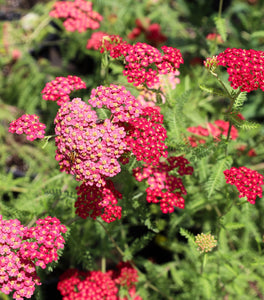
Images Depict Mature Plants
Siskiyou Pink Evening Primrose
Oenothera speciosa 'Siskiyou'
Siskiyou Pink Evening Primrose is a great plant when you put it in the right place. I like it for sunny slopes, rock gardens, dry edges, and those problem spots where you want color but do not want to fuss over watering. The soft pink flowers are beautiful, and the plant is tough, but it does spread. I would not tuck it into a tiny, formal perennial bed and expect it to behave forever. Give it room, drainage, and a sunny spot where its groundcover habit can actually be useful.

15% OFF SITEWIDE SALE
Use Code 'PRIMETIME15' At Checkout
📦 Free shipping on orders over $99.
Delay shipping by leaving us a message at Checkout.
Share:



Siskiyou Pink Evening Primrose Brings Soft Pink Color to Sunny, Dry Garden Spaces
A Spreading Pink Evening Primrose for Tough Sunny Spots
Siskiyou Pink Evening Primrose is a low-growing, spreading perennial grown for soft pink, cup-shaped flowers and easy-care performance in sunny, well-drained gardens. It works beautifully as a flowering groundcover in spots where a taller perennial would feel too heavy or where dry soil makes other plants struggle.
This is a strong choice for rock gardens, slopes, dry streambeds, cottage gardens, sunny borders, xeriscape-style beds, and open areas where the plant has room to spread. The soft pink blooms give a natural, meadow-like look while the spreading habit helps fill bare soil with seasonal color.
Soft Pink Flowers With a Long Summer Bloom
The flowers are the main reason gardeners choose Siskiyou Pink Evening Primrose. The blooms are usually soft pink to pale pink, often with a lighter center and delicate veining. Individual flowers may open and close with the rhythm of the day, and the plant can bloom over a long season when grown in enough sun.
In the landscape, the effect is relaxed and cheerful rather than formal. Use it where you want a low carpet of pink flowers weaving between stones, along path edges, over slopes, or through the front of a sunny border. It also pairs well with ornamental grasses, catmint, lavender, sedum, yarrow, coreopsis, coneflowers, and other drought-tolerant perennials.
Drought Tolerant Once Established
Siskiyou Pink Evening Primrose is especially useful in sunny sites with average to dry soil. Once established, it handles drought and poor soil better than many flowering perennials, making it a practical choice for gardeners who want color without constant watering.
Drainage matters more than rich soil. This plant prefers well-drained soil and can struggle in wet winter conditions or heavy, soggy ground. Sandy, gravelly, rocky, or lean garden soils are often a better fit than overly fertile beds that stay damp for long periods.
A Groundcover That Needs Room to Spread
Siskiyou Pink Evening Primrose spreads by roots and may also self-seed, which makes it useful as a groundcover but less ideal for small, tightly managed perennial beds. In the right location, that spreading habit is a benefit because it helps cover difficult open ground and soften hard edges.
Plant it where you want a naturalized look or where spreading is welcome. For more formal gardens, use edging, periodic thinning, and deadheading after bloom to help manage the movement. It is not the best choice for tiny beds where every plant needs to stay exactly in place.
Low Maintenance With Smart Placement
Once planted in the right site, Siskiyou Pink Evening Primrose is a low-maintenance perennial. Give it full sun, well-drained soil, and regular water during establishment. After that, it usually needs little fuss beyond occasional thinning, trimming, or deadheading to keep it tidy.
Its deer resistance, drought tolerance, and long bloom window make it valuable in sunny problem areas. Use it where its spreading habit can be an advantage: slopes, rock gardens, dry borders, pollinator beds, open perennial edges, and informal landscapes where soft pink flowers can drift naturally through the planting.
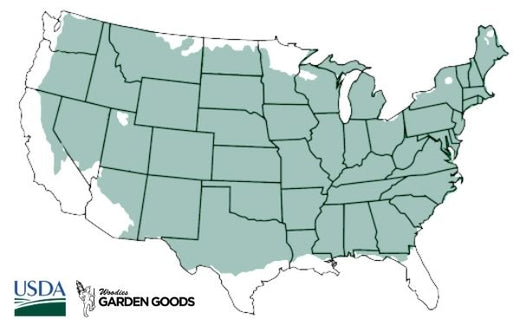
| Hardiness Zone: | 4-8 |
|---|---|
| Mature Height: | 8 to 15 Inches |
| Mature Width: | 18 to 36 Inches |
| Sunlight: | Full sun; tolerates light afternoon shade |
| Soil | Average, sandy, rocky, or gravelly well-drained soil |
| Water | Water well until established; drought tolerant once established |
| Bloom Time / Color | Late spring to summer, often continuing into fall in favorable conditions; soft pink to pale pink flowers with lighter centers |
| Ornamental Features | Soft pink flowers, spreading groundcover habit, long bloom season, drought tolerance, deer resistance, rock garden value |
| Wildlife Value | Flowers attract bees, butterflies, moths, hummingbirds, and other pollinators |
| Resistance | Deer resistant; drought tolerant once established; tolerates poor soil |
| Landscape Uses | Rock gardens, slopes, dry streambeds, xeriscape gardens, sunny borders, cottage gardens, groundcovers, pollinator gardens, naturalized plantings |
How to Care for Siskiyou Pink Evening Primrose
Be sure to read our planting instructions to ensure a healthy and happy Siskiyou Pink Evening Primrose for years to come!
-v1784648680176.png?92x91)
How should I plant Siskiyou Pink Evening Primrose?
Plant Siskiyou Pink Evening Primrose in full sun with well-drained soil. It is especially useful in average, sandy, gravelly, rocky, or lean soil where many fussier perennials struggle. Avoid heavy wet soil, compacted ground, and areas that stay soggy through winter. Dig a hole slightly wider than the root ball and set the plant level with the surrounding soil. Backfill with native soil, water deeply, and mulch lightly if needed, keeping mulch away from the crown. Plant it where it has room to spread, such as slopes, rock gardens, dry borders, and informal sunny beds.
-v1784648711744.png?89x84)
How often should I water Siskiyou Pink Evening Primrose after planting?
Water Siskiyou Pink Evening Primrose deeply after planting and keep the soil lightly moist while it establishes. During the first growing season, water when the top few inches of soil become dry, especially during heat or extended dry spells. Once established, this perennial is drought tolerant and usually needs less supplemental water than many flowering plants. Avoid frequent shallow watering and avoid keeping the soil wet. Good drainage is essential for long-term success.
-v1784648733027.png?90x89)
When should I fertilize Siskiyou Pink Evening Primrose?
Fertilize Siskiyou Pink Evening Primrose lightly in spring only if growth is weak or the soil is extremely poor. In most average garden soils, this plant does not need heavy feeding. Rich soil and too much fertilizer can encourage loose growth and stronger spreading. Use a light application of balanced slow-release fertilizer or a modest compost topdressing if needed. Avoid heavy late-season fertilizing. Sun, drainage, and proper placement are more important than frequent feeding.

When and how should I prune / cut back Siskiyou Pink Evening Primrose?
Trim Siskiyou Pink Evening Primrose after the main bloom if the planting looks tired or if you want to reduce self-seeding. Removing spent flowers can help keep the plant tidier and may encourage additional bloom in favorable conditions. Cut back old or damaged foliage in late winter or early spring before new growth begins. Thin spreading sections as needed to keep the plant within bounds. In formal beds, check it regularly because roots and seedlings can move beyond the original planting area.