
Container Garden Filler Plants
The mid-layer plants that pack in color, hide gaps, and make containers look lush.
Fillers are the difference between a container that looks “planted” and one that looks finished. They’re the mounding, mid-height plants that fill the space around your thriller, soften bare stems, and create that full, lush look everyone wants on a porch or patio. If the thriller sets the silhouette, fillers create the body; color, texture, and seasonal personality that makes the whole container feel intentional.
This collection is built for the way people actually plant large containers: you might use one filler for a clean, modern look, or mix two to three fillers for a richer, layered effect. Flowering fillers deliver steady color, foliage fillers keep the design crisp even between blooms, and perennial fillers give you repeatable performance year after year. Pair them with the right thriller and a couple of spillers, and you'll have a patio planter that looks professionally designed.

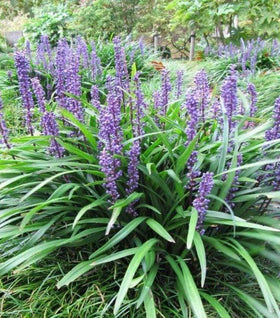

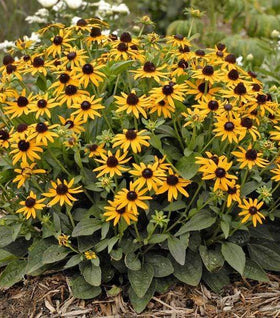
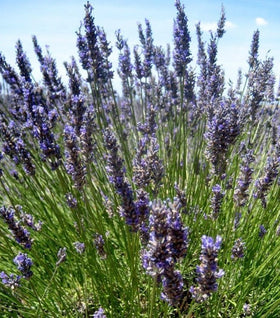
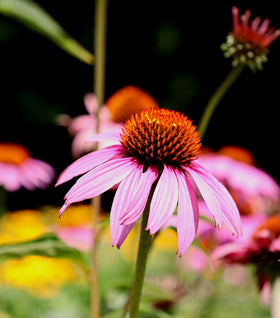
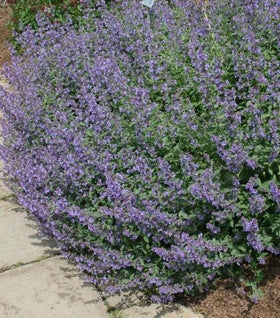
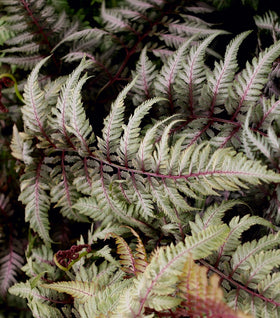

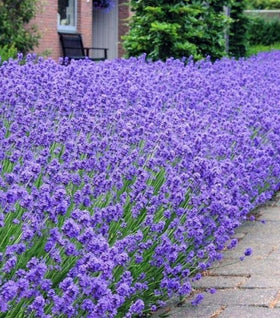

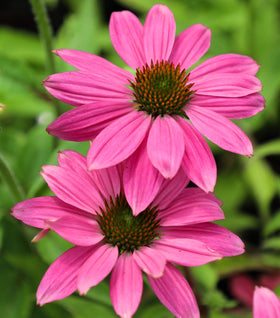
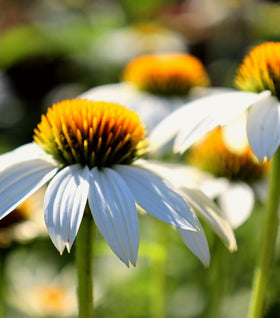


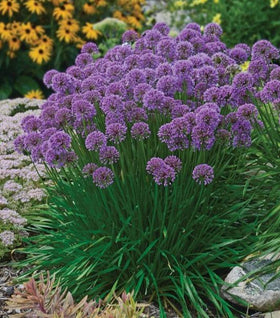
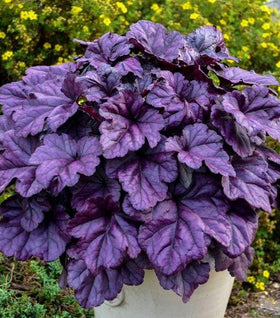
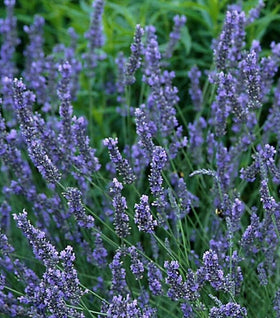
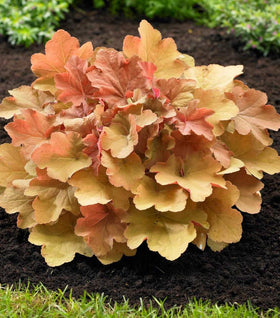
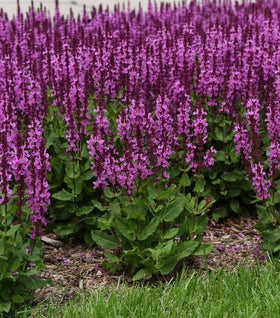
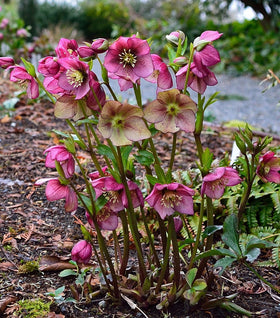

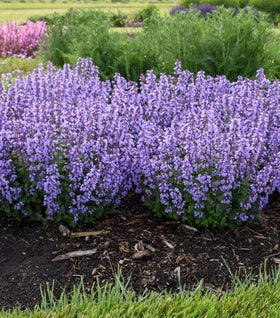
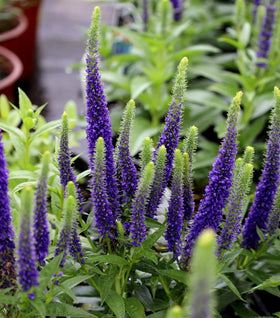
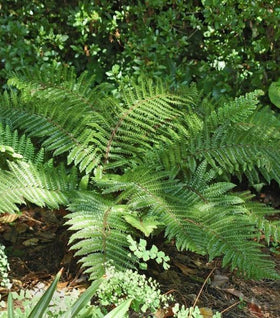

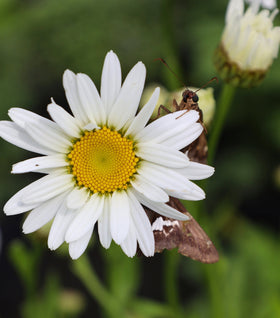
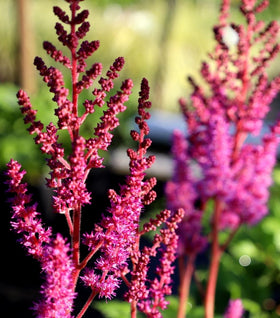
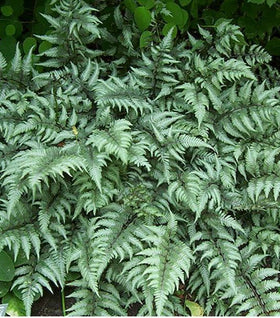

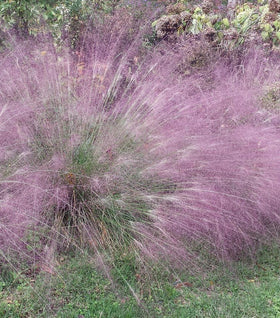


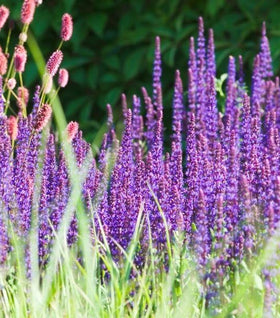
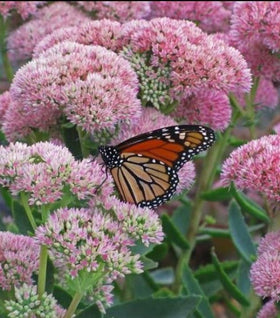
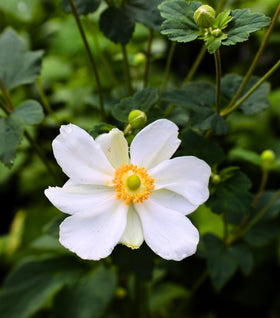


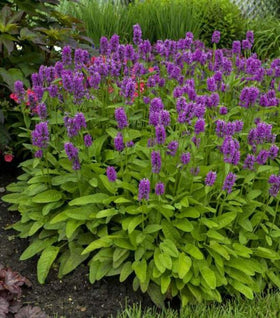


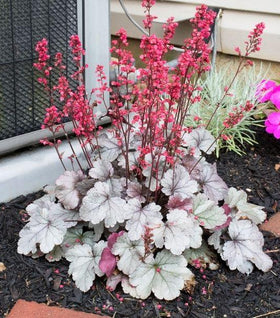


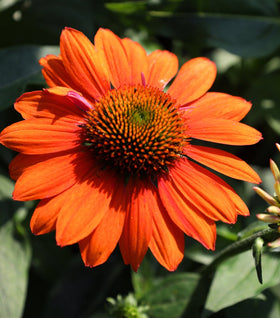
Build a full, lush look with the right fillers.
Fillers are the “middle ground” of a container garden—typically rounded or mounded plants placed around the thriller to fill space and define the arrangement. In a round pot viewed from all sides, they wrap the thriller; in a one-sided pot, they sit between the thriller and the viewing edge to create a layered, landscaped feel.
A great filler does three jobs at once: it hides gaps, brings color and texture, and visually connects the tall focal point to the rim. This is why you can (and often should) use more than one filler in large pots, especially when you want that dense, designer look without overstuffing the container.
If you want your container gardens to look great all season, choose fillers with staying power. Long-blooming annuals and perennials keep color coming, while foliage-forward fillers hold the design together on hot weeks, rainy weeks, and everything in between. The best combos mix one “color maker” with one “texture maker” so the container looks rich but not chaotic.
Color, texture, and season-long performance in one layer.
Flowering fillers are the fastest way to make containers pop from a distance. They create the main color story and keep porch and patio planters feeling “in season” for weeks. In large containers, choose plants with a naturally mounding habit so they hold a clean shape without constant pinching.
Foliage fillers are the secret weapon for elevated designs. They add contrast, refine the palette, and keep containers looking intentional even when blooms take a break. Think of foliage fillers as your “design glue”; they help the thriller stand out, and they make spillers look more deliberate at the rim.
Perennials and annuals provide a repeatable structure for multi-season containers. They’re especially helpful when you like to refresh the pot in spring and summer, then transition to fall interest—because the filler layer keeps form and volume even as accents change.
Plant fillers where they thrive in container gardens.
Start with light: choose fillers that match the exposure on your porch or patio, full sun, part sun, or shade. Correct light keeps growth dense and bloom strong, and it prevents that stretched, leggy look that makes containers feel tired.
Next, plan for root room. Even though fillers aren’t the tallest plants, they still need space to expand and drink evenly—especially when paired with woody thrillers and thirsty spillers. In large planters, aim for a full look without permanently crowding stems together; airflow helps reduce stress and keeps foliage cleaner.
Place fillers where they do the most visual work. In a round container, position them evenly around the thriller; in a one-sided container, stack them toward the front and sides so the pot looks layered from the viewing angle. When fillers are placed midway between the rim and the thriller, the container reads balanced and professional.
Easy care that keeps fillers blooming and full.
Container gardens need a steady nutrition plan because frequent watering washes nutrients through the potting mix. Regular feeding during active growth helps fillers keep color and density—especially in large pots where plants are working hard all season.
Watering should be consistent, not extreme. Fillers look best when soil stays evenly moist (never waterlogged) and when you water deeply enough to reach the entire root zone. It’s the simplest way to keep the mid-layer from thinning out during hot stretches.