
Shrubs that Provide Fall Color and Berries
Big autumn color, late blooms, and berry-season drama—without high maintenance.
Fall interest shrubs keep the landscape feeling alive as summer fades, with fiery foliage, berry color, and late-season blooms that make the yard look intentional right through autumn. This collection is all about finishing strong: plants that peak when evenings cool, lawns slow down, and your beds need a fresh “wow” moment for curb appeal. Think of it as the easiest way to extend your garden’s best season, because fall isn’t the end of the show, it’s the finale.
The smartest way to shop for fall performance is to plan for what you want to see (color, berries, bloom) and how you want to maintain it (pruning timing and site fit). Many berry shrubs depend on good pollination and consistent moisture for strong fruit set, and many flowering shrubs set next year’s buds on older wood, so pruning at the wrong time can cost you bloom. With the We Grow Together Promise behind you, the goal is simple: pick shrubs that match your light and soil, then prune at the right window so fall keeps paying you back every year.

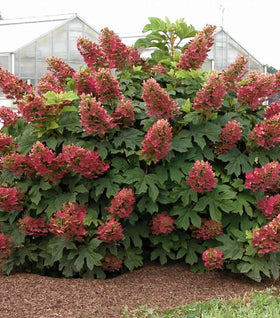
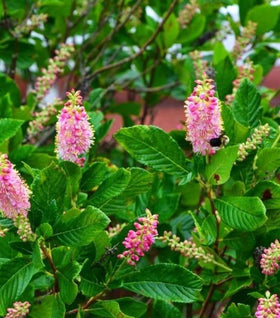


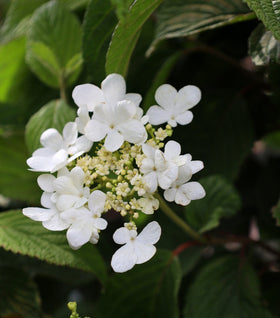


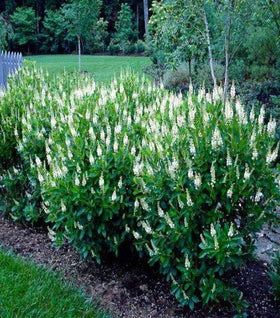
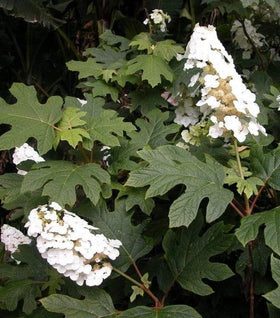


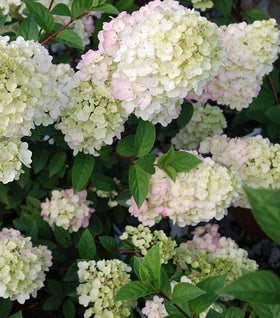
Strawberry Sundae® Hydrangea
As Low As $42.95



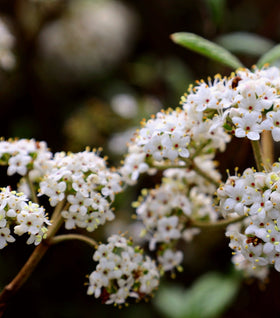
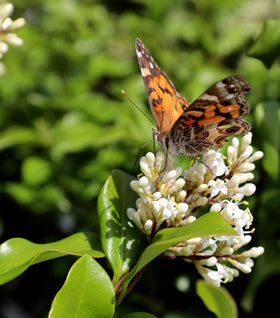


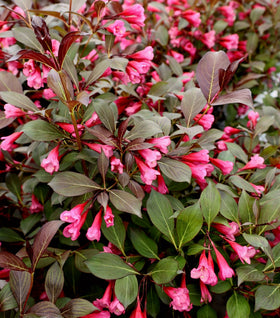
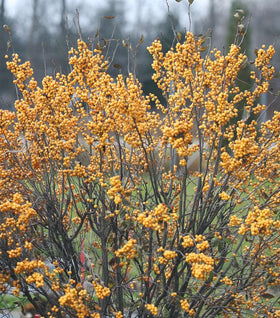

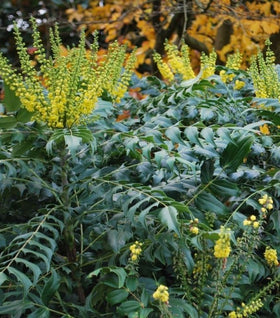


Autumn color that makes the yard look expensive.
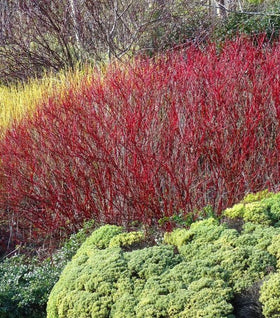
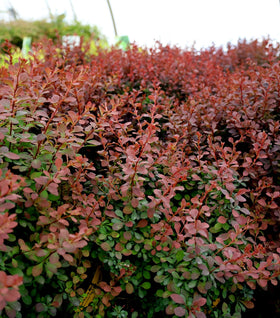
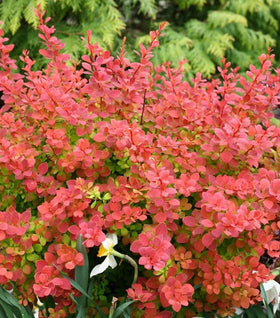
Fall interest shrubs deliver the easiest “instant upgrade” for homeowners: bold foliage shifts to red, orange, gold, and burgundy right when most landscapes start to go quiet. A few well-placed shrubs can make a foundation bed look freshly designed in September and October, even if you don’t change a single perennial or container.
This category also solves the “shoulder season gap.” Late-season color helps bridge the gap between summer flowers and winter structure, keeping your beds from looking tired as the rest of the yard winds down. When you repeat fall-color shrubs in small drifts, that color reads as a planned feature, not a lucky accident.
Because the lineup can include different shrub types (deciduous color makers, berry producers, and late bloomers), you can build a fall sequence: foliage first, then fruit, then lingering blooms—so something is always carrying the bed as temperatures drop. The key is choosing the role each shrub plays in the design.
What you’re getting: foliage, berries, and late-season bloom.
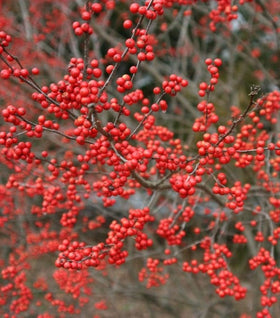
Fall interest isn’t one trait; it’s a combination of performance cues that peak late: leaf color change, persistent fruit, and blooms that show up when summer bloomers slow down. Many “fall berry” shrubs (like winterberry holly) are grown specifically for fruit display that intensifies in fall and can carry into winter.
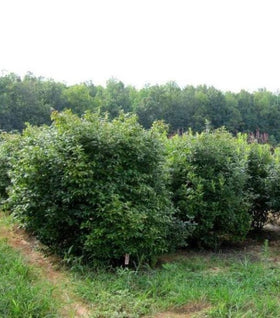
Berry-heavy shrubs have a “buy-it-right” detail: some require both male and female plants for fruit set, with bloom-time match and distance mattering for pollination. A practical guideline for winterberry holly is one male for roughly 8 to 10 females, planted within about 50 feet. Dry soil can reduce or abort fruit set, so moisture management affects your fall display.
Growth rate and mature size vary widely across fall-interest shrubs, which is good news: you can find compact options for tight foundations and larger shrubs for property edges. The easiest way to keep fall color looking “clean” is choosing a plant that fits the space at maturity, so you’re not forced into heavy pruning that can reduce flowers or fruit.
Planting spots that bring out the best color.
Sunlight is the biggest driver of fall performance for many shrubs. In general, stronger light helps push richer fall color and heavier bloom/fruit on many landscape shrubs, while too much shade can reduce intensity and loosen growth. If your goal is “maximum fall,” prioritize brighter sites first.
Moisture and drainage matter just as much as sun, especially for berry shrubs and moisture-lovers. For example, winterberry holly is often recommended for moist, acidic soil with good drainage, and dry conditions can reduce fruit set. Site fit is how you turn “pretty in a pot” into “loaded with color in October.”
For spacing, plan around mature width and airflow. Air movement helps foliage dry faster and reduces stress-related issues, and it also gives fruiting shrubs room to hold berries without crowding. As a practical approach, space for the mature footprint you want to see, then mass with repetition rather than squeezing plants too close.
Simple pruning that protects next year’s show.
Fall interest is easiest to maintain when pruning matches the shrub’s bloom habit. Many resources advise avoiding fall pruning for many shrubs (often August through late October) because it can stimulate tender growth that won’t harden off and remove flower buds on shrubs that bloom on old wood. When in doubt, early spring pruning is the safer default for plant health (even if it costs one season of bloom).
If you’re growing fall berries, pruning is often about restraint: too much pruning at the wrong time can reduce flowers, and fewer flowers mean fewer berries. For winterberry holly, the bigger “success lever” is pollination planning and moisture management, with pruning used mainly for shape and long-term structure.