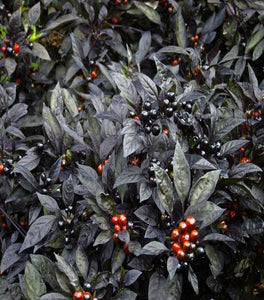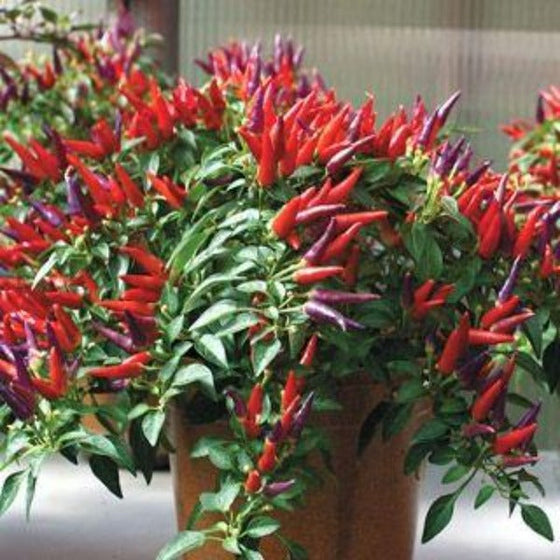


Images Depict Mature Plants
Sangria Ornamental Pepper
Capsicum annuum 'Sangria'
Sangria is a great ornamental pepper when you want color without the worry of a very hot fruit. The plant fills out nicely, and the purple and red peppers show at the same time, which makes it easy to use in fall containers and sunny beds. I would treat it as a decorative plant first, even though the heat has been bred out. Give it full sun, keep containers watered, and use it where you want bright, cheerful seasonal color.

20% Off Sitewide Sale!
Use Code 'ENDOFSEASON20' At Checkout
📦 Free shipping on orders over $99.
Share:

Sangria Ornamental Pepper Adds Purple and Red Fruit to Fall Containers
A Continuous Display of Purple and Red Peppers
Sangria Ornamental Pepper is a colorful annual grown for its long-lasting display of purple and red ornamental peppers. The fruit changes from purple to bright red as it matures, and because the plant fruits continuously, both colors can appear at the same time. That makes Sangria one of the easiest ornamental peppers to use when you want instant color in late summer and fall displays.
The glossy green foliage keeps the look clean and bright while the fruit provides the show. Sangria works beautifully in porch pots, patio containers, mixed fall planters, annual beds, and seasonal entryway displays. It adds the fun of ornamental peppers without relying on dark foliage, making it easy to combine with mums, pansies, celosia, calibrachoa, cabbage, grasses, and trailing annuals.
Non-Pungent Peppers for Family-Friendly Displays
One of Sangria’s biggest advantages is its non-pungent fruit. Many ornamental peppers are extremely hot, but Sangria is a child-safe, non-pungent selection that is better suited for public plantings, family-friendly containers, entryways, school gardens, and indoor/outdoor decorative use.
Even though the fruit is non-pungent, Sangria should still be treated as an ornamental display plant first. Its value is color, not culinary performance. The bright fruit makes containers look full and festive, while the softer heat profile gives homeowners more confidence using it around patios, porches, and public-facing seasonal displays.
Full, Somewhat Spreading Plants for Containers and Landscapes
Sangria Ornamental Pepper has a full, well-branched, somewhat spreading habit that helps it fill containers and garden beds nicely. It typically grows about 10 to 12 inches tall and can spread about 16 to 18 inches wide, giving it more presence than the smallest ornamental peppers while still staying compact enough for patio pots and mixed planters.
Use Sangria as a colorful filler in large containers, a border-front annual, a mass planting in sunny beds, or a seasonal accent around walkways and entryways. Its rounded, full-bodied habit makes it especially useful in fall programs where containers need to look finished quickly and hold color through autumn.
Full Sun and Heat Keep the Show Going
Sangria Ornamental Pepper performs best in full sun. Strong light supports compact growth, steady fruiting, and the brightest purple-to-red display. It can tolerate warm, sunny conditions and is a good choice for late summer and fall color when many other annuals begin to fade.
Plant it in well-drained soil or a high-quality container mix. Water regularly after planting and check containers often during hot weather. Sangria is heat-tolerant and low-maintenance, but consistent moisture helps keep the foliage fresh and the fruit displays strongly.
Easy Seasonal Color With Very Little Pruning
Sangria is a simple annual to maintain. Since the fruit is the main ornamental feature, there is no need to deadhead flowers the way you would with many blooming annuals. The plant continues to produce colorful peppers throughout the season when given sun, warmth, and proper watering.
Pruning is rarely needed. If a stem becomes damaged or misshapen, trim it lightly with clean pruners. Otherwise, let the plant fill out naturally. Remove it after frost in cold climates, or grow it longer in warm, frost-free areas where ornamental peppers can persist for more than one season.
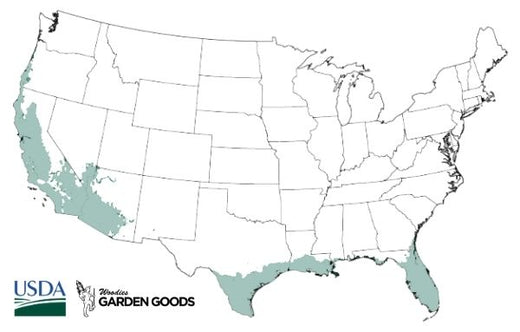
| Hardiness Zone: | 9-11 |
|---|---|
| Mature Height: | 10 to 12 inches |
| Mature Width: | 16 to 18 inches |
| Sunlight: | Full sun |
| Soil | Well-drained soil or quality container potting mix |
| Water | Moderate to medium water; keep evenly moist in containers without waterlogging |
| Bloom Time / Color | Small, inconspicuous flowers in summer |
| Ornamental Features | Non-pungent fruit, continuous purple and red display, full spreading habit, heat tolerance, fall container value |
| Wildlife Value | Primarily ornamental; small flowers may be visited by small pollinators |
| Resistance | Heat tolerant, drought tolerant once established, low maintenance |
| Landscape Uses | Fall planters, porch pots, patio containers, annual beds, borders, mixed containers, public plantings, Mum Pals, indoor/outdoor decorative use |
How to Care for Sangria Ornamental Pepper
Before you buy Sangria Ornamental Pepper, read the care instructions to keep this plant healthy and thriving.
-v1783703225708.png?92x91)
How should I plant Sangria Ornamental Pepper?
Plant Sangria Ornamental Pepper in full sun with well-drained soil or a quality container potting mix. For containers, choose a pot with drainage holes and enough room for the plant to develop its full, somewhat spreading habit. Strong sun supports the best fruit color and overall performance. Set the plant so the top of the root ball is level with the surrounding soil. Backfill gently, water deeply, and place the container or planting bed where it receives strong light and good airflow. Space plants about 14 to 16 inches apart in garden beds or larger seasonal displays.
-v1783703246736.png?89x84)
How often should I water Sangria Ornamental Pepper after planting?
Water Sangria Ornamental Pepper deeply after planting and keep the soil lightly moist while it establishes. In containers, check moisture often because pots dry out faster than garden beds, especially in full sun, heat, and wind. Water when the top inch of soil begins to dry. Once established, Sangria is heat tolerant and fairly easy to maintain, but consistent moisture helps keep the plant full and colorful. Avoid letting containers sit in standing water. Good drainage and regular watering are the best combination for strong fruit display.
-v1783703263577.png?90x89)
When should I fertilize Sangria Ornamental Pepper?
Fertilize Sangria Ornamental Pepper at planting with a balanced slow-release fertilizer or use a light liquid feed during the growing season if the plant is in a container. Container-grown annuals often benefit from modest feeding because nutrients wash out with regular watering. Avoid heavy high-nitrogen fertilizer. Too much nitrogen can push leafy growth without improving the ornamental fruit display. The goal is a compact, full plant with steady purple and red pepper color.

When and how should I prune / cut back Sangria Ornamental Pepper?
Sangria Ornamental Pepper usually does not need pruning or deadheading. It is grown for its colorful fruit, and the plant naturally produces a full display when grown in sun with proper watering. If a stem becomes damaged or out of shape, trim it lightly with clean pruners. Remove the plant after frost damages the foliage and fruit, or compost it at the end of the season if disease is not present. In frost-free climates, it may last longer but is still commonly used as a seasonal ornamental.