
Evergreen Plants for Year-Round Color, Privacy & Structure
Year-round structure, privacy, and curb appeal—season after season.
Evergreens are the backbone of a great landscape—the “always on” layer that keeps your home looking intentional in every season. Whether you’re shaping a crisp hedge, softening a foundation line, or building a living privacy screen, evergreen plants deliver steady color and structure when everything else is sleeping. Many popular choices thrive with full sun to part shade (full sun = 6+ hours of direct light), and the right match for your site can stay handsome for decades with surprisingly simple care.
The key is picking for the job: compact growers for tight beds and containers, rounded shrubs for “green architecture,” and taller evergreen trees when you need screening without waiting forever. Space plants based on their mature width (tight for hedges, roomier for specimen form), and plan your shaping early—most evergreen pruning is best done in spring/early summer, with flowering broadleaf evergreens typically trimmed right after bloom. And because issues like bagworms on arborvitae/juniper and boxwood blight can happen in the right conditions, smart siting, airflow, and clean gardening habits make a real difference. We’re here to help you choose confidently, and every order is backed by the We Grow Together Promise.
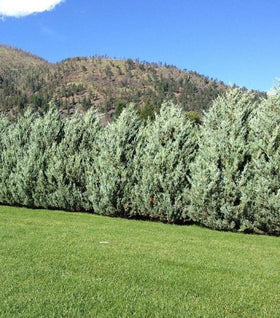
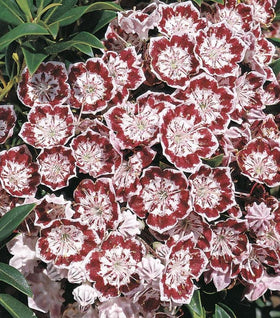
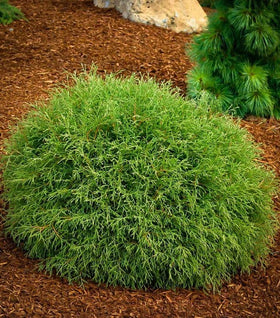
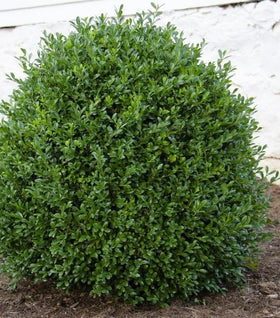
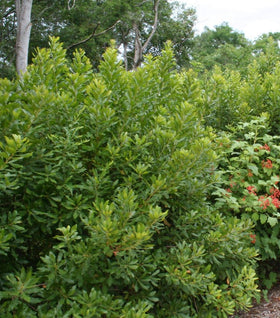
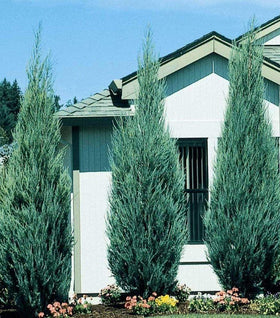
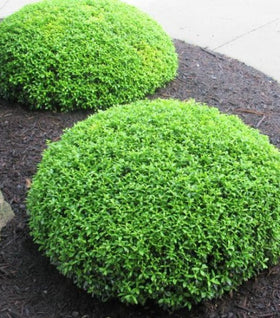
Mr. Bowling Ball Arborvitae
As Low As $32.95
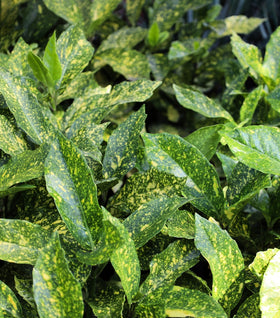
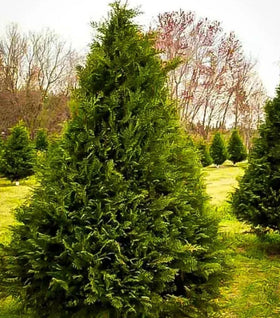



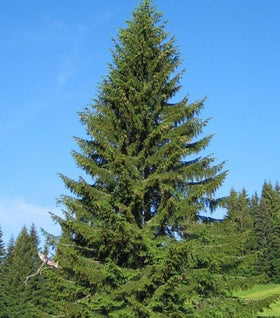
Norway Spruce
As Low As $29.97


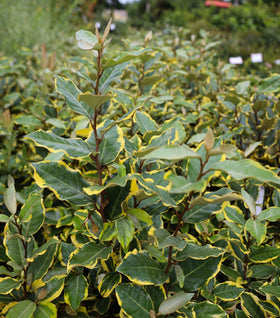
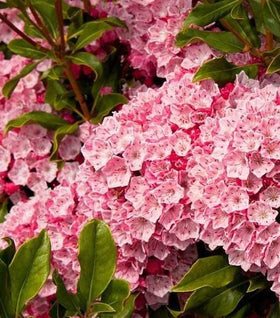

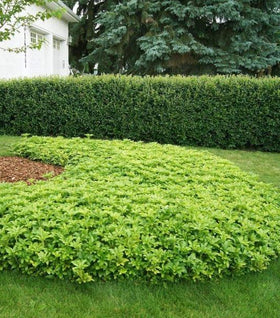
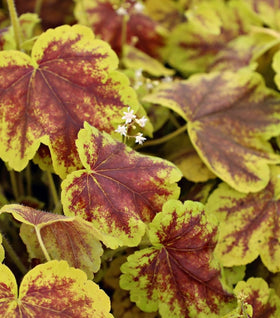
Pachysandra (Japanese Spurge)
As Low As $18.95




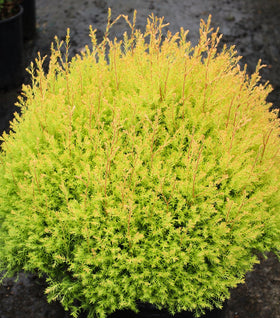

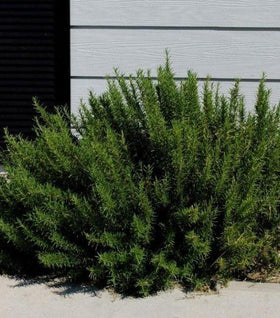


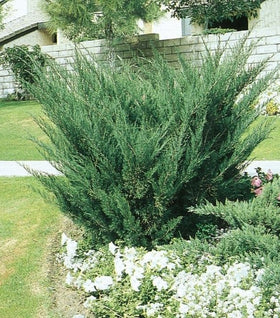


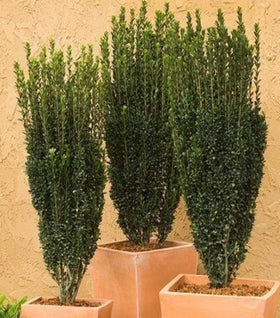
Build instant year-round Landscape structure.
Evergreen plants solve a very real homeowner problem: landscapes that look great in May, then feel empty the rest of the year. By keeping foliage through winter, evergreens give you “finished” curb appeal in every season—especially around entries, along fences, and in the sightlines you see every day. This collection typically includes both needle evergreens (like arborvitae and junipers) and broadleaf evergreens (like boxwood and many hollies), so you can mix textures and keep the look natural rather than flat.
You can use evergreens in-ground for foundational structure, or in containers to anchor patios, front steps, and pool areas where you want year-round greenery. The trick with pots is to keep them consistently watered during establishment and to choose plants that won’t outgrow the container too quickly—compact boxwoods and small-leaved hollies are classic for that “clean” look. If your goal is screening, vertical growers like many arborvitae naturally read as a green fence when they’re given sun and drainage.
Bloom windows still matter, even in an “evergreen-first” plan. Many hollies flower in late spring into early summer and can set berries that persist into winter when pollination requirements are met, while boxwoods typically have small spring blooms that are easy to overlook but can be noticeable up close. In other words: you’re not choosing between flowers and structure—you’re choosing structure first, then enjoying seasonal extras as a bonus.
See the forms, textures, and sizes before you plant.
Evergreens come in shapes that function like design tools: tight columns for narrow side yards, rounded mounds for “green punctuation,” and spreading forms that knit together slopes and borders. Mature size ranges widely—some stay 2–3 feet tall and wide, while others become true privacy trees (12–15 feet for smaller hedging types, and much larger for vigorous screen varieties), so choosing by mature dimensions is the fastest path to a landscape that still fits in five and ten years.
Growth rate also varies by plant and conditions, which is why “right plant, right place” matters so much. Arborvitae hedges, for example, can be very low maintenance when sited in full sun with well-drained soil, but they can thin or brown when pushed into soggy ground or deep shade. Broadleaf evergreens like boxwood often tolerate full sun to part shade, but many look best with some protection from harsh afternoon exposure in hotter or windier settings.
Seasonal interest shows up differently across the group: some offer berries, some offer cones, and some simply look polished all winter with dense foliage. Southern magnolia is a great example of an evergreen that also brings showy bloom—typically late spring into early summer—with sporadic flowering beyond that in warm seasons. If you want the “always green” effect plus a flowering moment, mixing broadleaf evergreens into your conifer backbone is how you get it.
Plant them where they thrive and perform.
Start with light: full sun means six or more hours of direct sunlight, and it’s a big driver of density and fullness in many evergreen screens and hedges. If you’re planting for privacy, prioritize sun and airflow first, then select the evergreen type that matches your space—narrow-and-tall for tight property lines, or broader growers for a thicker visual barrier. When in doubt, observe your site across a full day before you plant.
Spacing should follow mature width, not the size you’re holding in the pot. A simple rule many landscapers use is center-to-center spacing that allows plants to reach their expected mature spread without immediate crowding—then adjusting tighter only when you’re intentionally building a hedge. As one practical reference point, arborvitae hedges are commonly spaced about 3–4 feet apart for a continuous screen, while compact shrubs may be spaced much closer depending on their mature width.
Use evergreens for function, not just looks: foundation plantings that keep winter curb appeal, windbreaks that reduce exposure, and slope plantings that hold the “green line” year-round. Just remember that evergreens don’t love wet feet—especially many conifers—so drainage matters as much as sunlight. If your site stays soggy after rain, fix drainage first or choose plants that truly tolerate those conditions.
Keep care simple and confidence high.
Planting success is mostly about basics done well: loosen the site, plant at the right depth, water consistently during establishment, and mulch to even out moisture swings. After that first season, most evergreen maintenance becomes light and predictable—especially when the plant is matched to the right light and drainage. For arborvitae and similar conifers, avoid cutting back into old brown wood because many won’t regenerate from those leafless stems.
Pruning timing is your “easy win.” Many evergreen shrubs are best shaped in spring and early summer, while flowering broadleaf evergreens are commonly pruned right after bloom, so you don’t remove next season’s buds. For conifers, early spring and mid-to-late spring “candle” timing guidance is often recommended depending on the branching type, and heavy late-season pruning is generally discouraged because tender growth may not harden before winter.