
Elderberry Shrubs for Flowers, Fruit & Wildlife-Friendly Landscapes
Elderflowers, berries, and bold native growth for edible landscapes and wildlife gardens.
Elderberry shrubs are the definition of a “working” landscape plant: showy late-spring flower clusters, fruit that follows for harvest and wildlife, and a big, confident shrub shape that makes a property feel more established fast. If you’re building an edible landscape, elderberry checks two boxes at once—beauty and function—without demanding delicate, orchard-level fuss. You’ll also love how versatile it is in the yard: it can anchor a mixed border, fill a sunny back line, or turn a moist spot into a feature with flowers in early season and berries later on.
The success move is simple: give elderberry sun to part shade and consistent moisture while it establishes, then manage it with a predictable pruning routine to keep fresh, productive canes coming. Plan for space—elderberry is naturally vigorous and can spread with suckers in favorable sites—so it’s best placed where you’ll enjoy that fullness rather than fight it.
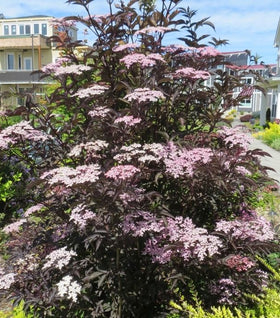


Plant elderberry for edible beauty and wildlife value.
Elderberry earns its spot because it delivers a full-season storyline: airy, flat-topped flower clusters in late spring into early summer, followed by berry clusters that mature later in the season. That makes it a great “season bridge” shrub—something that looks ornamental early, then becomes productive and wildlife-friendly as summer rolls on.
This is a strong collection for homeowners who want plants that feel abundant. Elderberry’s natural habit is bold and multi-stemmed, so it creates instant mass for the back of beds, naturalized borders, and property edges. It’s also commonly used in moisture-friendly designs, including rain-garden-adjacent plantings, where the soil stays evenly moist.
If you’re shopping for a shrub that does more than one job—privacy-adjacent fullness, pollinator bloom, berries for birds, and optional home harvest—elderberry is a smart, high-return pick. Treat it like a feature shrub, give it room, and it will reward you with a landscape that looks alive and purposeful.
Expect strong growth, a useful size, and a real bloom window.
Most elderberries are considered fast, vigorous growers in good conditions, building a full shrub quickly once roots settle in. Mature size varies by selection and pruning style, but many landscape elderberries fall into a mid- to large-shrub range, making them ideal for filling space and creating a bold backdrop.
Bloom timing is typically late spring into early summer, and it can be a show—large clusters that read from a distance. After bloom, berries form and ripen later in the season. That fruit display is part of the appeal, even if you don’t harvest: it adds seasonal interest and supports wildlife.
Because elderberry can spread by suckers, you get a shrub that naturally “fills in.” That’s a benefit in naturalistic plantings and larger beds, but it’s something to plan for in tight foundation spaces. If you want a cleaner, more contained look, pruning and occasional sucker management are part of the long-term plan.
Choose sun, moisture, and spacing for best results.
Elderberry typically performs best in full sun to partial shade. More sun usually means denser growth and stronger flowering, while partial shade can work well in hot sites where you want to reduce afternoon stress. The key is consistent moisture while the plant establishes.
Soil flexibility is one reason elderberry is so useful: it can handle a range of soil types as long as the plant isn’t left bone-dry for long stretches. It’s often recommended for moist soils and can tolerate sites that stay evenly damp, which makes it a practical option for low areas where many shrubs struggle.
Spacing controls the finished look. A practical planting range is often 6–8 feet between plants for individual shrubs, with adjustments depending on whether you’re creating a hedge-like row or giving each plant room to show its natural form. Adequate spacing also improves airflow, which helps keep foliage healthier.
Prune with confidence and keep the planting safe.
Elderberry responds well to pruning, and regular pruning is one of the best ways to keep the plant vigorous and productive. A common approach is a harder cutback in late winter or early spring to refresh growth, remove older canes, and manage size—especially if you want strong flowering and fruiting on new, healthy stems.
Because it’s vigorous, elderberry can also need occasional cleanup through the season: remove dead or damaged stems, thin crowded areas for airflow, and manage suckers if the shrub is spreading beyond where you want it. This is a shrub that rewards a simple annual routine more than constant fussing.