
Deciduous Shrubs for Seasonal Color, Flowers & Landscape Interest
Seasonal color, easy structure, and big landscape payoff from spring to fall.
Deciduous shrubs are the easiest way to make a landscape feel alive and seasonal, with fresh spring flowers, lush summer growth, and that “how did my yard get this beautiful?” fall color. They drop leaves on purpose, which means you get a clean winter silhouette and a big reset every year, then a new show the moment the season turns. The best part: this category isn’t one look. You can use deciduous shrubs as foundation anchors, border fillers, informal hedges, slope stabilizers, or as that one statement plant that makes the whole bed feel planned.
Shopping smart is all about timing and fit. Many deciduous shrubs are easiest to prune when they’re dormant (late winter to early spring), but spring bloomers are often pruned right after flowering so you don’t cut off next year’s buds—simple rules that keep plants looking great with minimal effort. And because “deciduous shrubs” includes many plant families, notable cautions can vary (pet toxicity, invasiveness in certain regions, and common pests/diseases), so it’s worth checking each plant’s specifics before you plant—especially near pets and natural areas. You’re backed by the We Grow Together Promise.



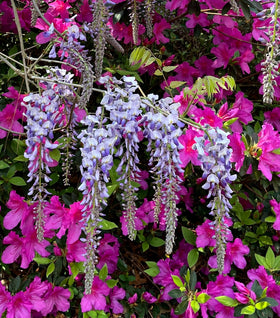
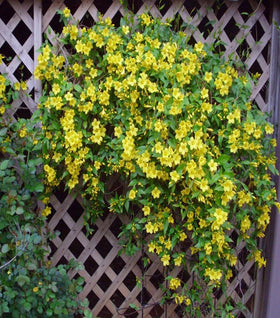
Amethyst Falls Wisteria Vine
As Low As $49.95


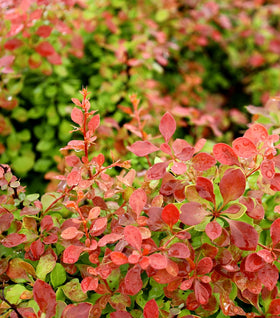
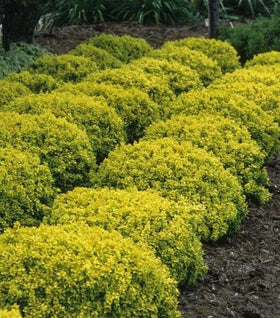
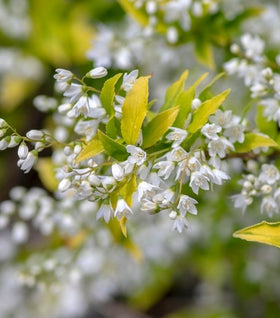
Autumn Magic Black Chokeberry
As Low As $39.95
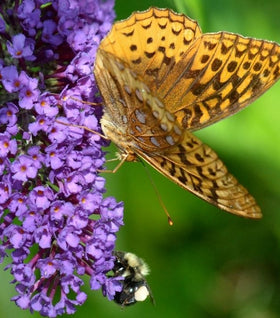
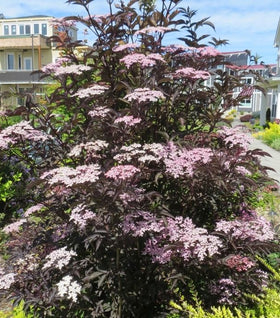



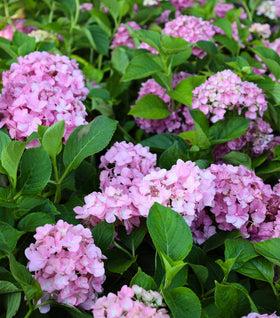



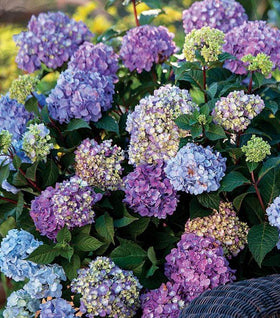
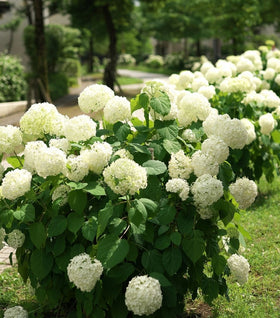
Endless Summer® BloomStruck® Hydrangea
As Low As $44.95
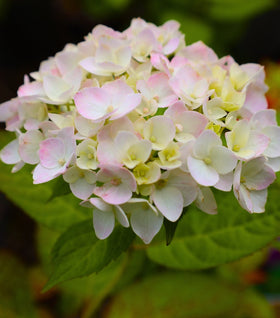
Endless Summer® Blushing Bride® Hydrangea
As Low As $58.95

Endless Summer® Summer Crush® Hydrangea
As Low As $46.95


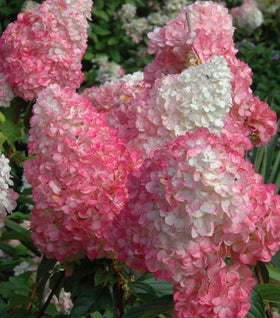
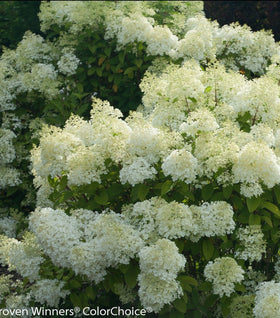
First Editions® Vanilla Strawberry™ Hydrangea
$99.95
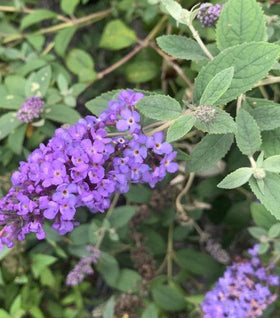
Flutterby Petite® Blue Heaven Butterfly Bush
$79.95
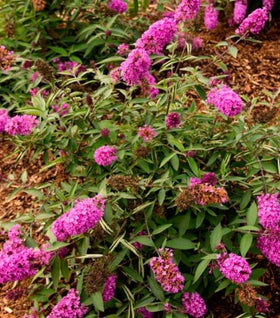
Flutterby Petite® Tutti Fruitti Butterfly Bush
$79.95

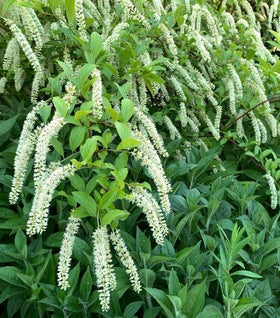
Turn empty beds into finished landscapes.
Deciduous shrubs add instant structure at eye level, exactly what most landscapes lack when beds feel flat or unfinished. Use them to frame entrances, soften corners, hide utilities, and create a layered “backdrop + mid-layer + front edge” look that makes everything else (perennials, bulbs, annual color) look more intentional.
This collection works because it covers a wide range of landscape jobs: foundation plantings that need curb appeal, mixed borders that need repeatable form, and larger beds that need massing plants that fill in without constant fuss. And since many deciduous shrubs are naturally multi-stemmed and dense, they’re excellent for informal screening when you want privacy without a rigid, clipped hedge feel.
Want the “designer” result? Think in drifts. Repeating 3–7 shrubs of the same general size and habit reads as one cohesive decision, not a scatter of plants—especially when you pair them with evergreens behind and perennials in front for season-long interest.
Seasonal color and bloom you can plan around.
Bloom windows vary (spring, summer, or even later depending on the shrub), which is a feature, not a complication. It lets you build a calendar: early-season flowers to kick off spring, summer bloomers to carry the show, and foliage-first shrubs that peak in fall with red, orange, and gold.
Mature size also varies widely across the category, from compact shrubs that stay foundation-friendly to larger forms that can anchor property edges. The “no regrets” move is choosing based on mature width and height up front—because shrubs that fit their space stay low-maintenance, while those that outgrow the bed become constant pruning projects.
Growth rate depends on the specific shrub, but your first-year care controls how quickly plants “take off.” Consistent watering during establishment and keeping turf competition out of the root zone are often the difference between a shrub that stalls and one that looks established in a season or two.
Planting spots that match sun, shade, and soil.
Deciduous shrubs cover the full light spectrum, full sun, part shade, and shade-tolerant options, so the key is matching the plant to the site you actually have. More sun typically means heavier flowering and stronger color on many shrubs, while part shade can be ideal in hot climates, where harsh afternoon sun can stress foliage.
Soil and drainage matter, but you don’t need “perfect” soil to succeed. Most shrubs prefer moist, well-drained conditions during establishment, and many tolerate everyday garden soils once rooted in, so long as they aren’t sitting in consistently waterlogged ground.
For spacing, use mature width as your guide and adjust based on intent: tighter spacing for faster massing and informal hedges, wider spacing for stronger individual form and better airflow (which helps reduce disease pressure for many shrubs).
Simple pruning rules for confident results.
Here’s the pruning shortcut that keeps everything easy: many deciduous shrubs can be pruned in late winter to early spring while dormant, but spring-blooming shrubs are typically pruned right after flowering because they set buds on older growth. This one rule prevents the most common mistake (accidentally cutting off next year’s flowers).
If a shrub gets overgrown, renewal pruning can be a reset button for many types, cutting back hard at the right time to encourage vigorous new shoots. Timing matters: severe pruning is often recommended before spring growth begins, allowing plants to rebound strongly through the growing season.