Images Depict Mature Plants
Delft Lace Astilbe
Astilbe 'Delft Lace'
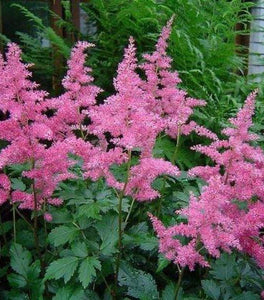
I've always enjoyed working with astilbes because they bring something special to shaded gardens, but Delft Lace Astilbe stands out because its foliage is every bit as attractive as its flowers. What really gets my attention is that combination of deep blue-green, lacy foliage with reddish highlights and those beautiful salmon-colored buds that open into soft apricot-pink plumes. It's a much more interesting color combination than you get with many ordinary pink astilbes. I particularly like planting Delft Lace in groups of three or five along shaded walkways or in woodland gardens where its red flower stems and warm-colored plumes create a beautiful contrast against hostas and ferns. One thing I always tell gardeners about astilbes is that consistent soil moisture is absolutely essential. These are not plants for dry shade, and they'll let you know pretty quickly when they're thirsty because the leaf margins start turning brown. Give them good, organically rich soil, morning sunlight or filtered shade, and enough water during summer, and they can become outstanding long-term perennials. If you're looking for a shade-loving plant with beautiful flowers, distinctive foliage, and a refined landscape appearance, Delft Lace is one I would strongly recommend.
$23.96 with code SAVINGS20 at checkout Save $5.99
📦 Free shipping on orders over $99.
Delay shipping by leaving us a message at Checkout.
Share:


Delft Lace Astilbe – Apricot-Pink Flower Plumes and Beautiful Blue-Green Foliage for Shade Gardens
Delft Lace Astilbe Brings Exceptional Color and Texture to Shade
Delft Lace Astilbe (Astilbe 'Delft Lace') is an outstanding flowering perennial that brings soft apricot-pink flower plumes, striking red stems, and intricately divided blue-green foliage to partially shaded gardens. Unlike traditional astilbes grown primarily for their flowers, Delft Lace provides exceptional ornamental interest through both its blooms and distinctive foliage. The plant develops a substantial mound of finely textured leaves, followed by upright flowering stems carrying salmon-red buds that gradually open into feathery pink blossoms. This layered combination of color and texture makes Delft Lace an especially attractive choice for woodland gardens, shaded foundation beds, and perennial borders where a refined appearance is desired.
One of the qualities that makes Delft Lace particularly appealing is the contrast between its warm-colored flowers and cool-toned foliage. The deep blue-green leaves have a subtle silvery appearance with reddish highlights, creating an attractive foundation beneath the flowering stems. As the blossoms open, the apricot-pink plumes rise above the foliage, creating a graceful vertical accent. Mature plants typically reach approximately 24 to 36 inches tall when flowering, making them substantial enough to provide visual impact without overwhelming neighboring shade perennials. For homeowners looking for a premium astilbe with distinctive foliage, beautiful flowers, and dependable perennial performance, Delft Lace offers a particularly rewarding combination.
Apricot-Pink Flower Plumes Rise Above Beautiful Red Stems
The flowers of Delft Lace Astilbe are among its most distinctive ornamental features. The plant produces deep salmon-red flower buds that open into soft apricot-pink plumes, creating a warm and sophisticated color combination. These blossoms are carried on strong, upright red stems that provide additional contrast against the cool-toned foliage. The feathery flower clusters are composed of numerous tiny individual flowers, giving each plume a soft, airy appearance. Flowering typically begins in early summer, with timing varying according to climate, sunlight, and seasonal temperatures. The blossoms also possess a light fragrance that adds another appealing quality to the plant.
Delft Lace is especially effective when planted in groups, where its apricot-pink flowers and reddish stems create a coordinated display of color above the foliage. The upright flower plumes contrast beautifully with the broad leaves of hostas, the rounded foliage of heucheras, and the delicate fronds of ornamental ferns. Its unusual flower color also pairs well with white, purple, and burgundy-flowering perennials. After the blossoms fade, the seed heads may retain attractive reddish tones, extending the plant's ornamental interest beyond the main flowering season. Gardeners can remove spent flowers for a tidier appearance or leave them standing to provide additional texture in late summer and autumn.
Blue-Green Lacy Foliage Creates Beauty Beyond the Flowers
One of the greatest reasons to choose Delft Lace Astilbe is its finely divided, blue-green foliage with red highlights and a subtle silvery overlay. The leaves form a dense, attractive mound that provides beautiful texture even when the plant is not blooming. Its intricate shape gives the foliage a fern-like appearance, making Delft Lace particularly valuable in shade gardens where contrasting leaf forms are essential to an interesting landscape design. The red accents along the foliage and stems add depth, while the cool blue-green color creates an appealing contrast with brighter green plants.
The foliage continues contributing ornamental value throughout the growing season when the plant receives adequate moisture. In spring, emerging leaves may show reddish or purplish highlights, while mature foliage develops a deeper blue-green appearance. As autumn approaches, burgundy tones may become more noticeable, adding another seasonal dimension to the plant. This foliage interest makes Delft Lace especially useful in shaded beds where flowers may be present for only part of the season. Combine it with gold-leaved hostas, silver-toned ferns, or brightly colored coral bells to create a layered planting with attractive color and texture from spring through autumn.
A Beautiful Flowering Perennial for Moist Shade Gardens
Delft Lace Astilbe is particularly well suited to partially shaded gardens with rich, consistently moist soil. Its graceful flower plumes and ornamental foliage make it an excellent choice for woodland borders, shaded foundation beds, and garden areas that receive filtered sunlight. Unlike many sun-loving flowering perennials, Delft Lace performs well in areas with limited direct sunlight, allowing homeowners to introduce attractive summer blooms into spaces that might otherwise rely almost entirely on foliage plants. Morning sunlight followed by afternoon shade is often an ideal combination, providing sufficient light for flowering while reducing moisture stress during hot weather.
Although Delft Lace tolerates partial shade very well, consistent soil moisture is essential to maintaining healthy foliage and abundant blooms. Astilbes generally do not perform well in dry shade, especially beneath mature trees with aggressive root systems. Choose a location where the soil can remain evenly moist without becoming waterlogged. Adding organic matter can improve soil moisture retention, while a layer of mulch helps regulate root-zone temperatures and reduce evaporation. When planted under suitable conditions, Delft Lace creates a lush, colorful appearance that works beautifully in naturalistic woodland gardens and more formal shaded landscapes.
Strong Upright Growth Makes Delft Lace Ideal for Borders and Groupings
Delft Lace Astilbe develops a sturdy, upright flowering habit above a dense mound of ornamental foliage, creating a balanced perennial that works well in both small groups and larger landscape designs. Mature flowering plants generally reach approximately 24 to 36 inches tall and spread around 24 inches wide. This substantial but manageable size makes Delft Lace particularly valuable in the middle of shaded perennial borders, where its flower plumes can rise above lower-growing plants without obscuring taller background shrubs. Its strong stems help maintain an attractive upright display when grown with adequate moisture and appropriate light.
For the greatest ornamental effect, plant three or more Delft Lace Astilbes together, allowing approximately 24 inches between plants. Repeating the cultivar throughout a shaded planting creates visual continuity, while the distinctive red stems and blue-green foliage add depth to the design. Delft Lace also works well as a seasonal accent beside shaded patios, along woodland walkways, or near entrances that receive filtered sunlight. In larger landscapes, mass plantings can create an impressive display of soft pink flowers above richly textured foliage. Its naturally clumping growth habit makes it easier to incorporate into organized perennial beds than aggressively spreading groundcovers.
Pair Delft Lace with Hostas, Ferns, and Coral Bells
Delft Lace Astilbe is an excellent companion for hostas, ornamental ferns, coral bells, and other moisture-loving shade perennials. Its finely divided foliage provides a natural contrast to the broad, substantial leaves of hostas, while its upright flower plumes add height above lower-growing companion plants. Hostas with blue, gold, or variegated foliage can create especially attractive combinations. Ferns reinforce the woodland character of the planting, while heucheras with burgundy, purple, or golden leaves bring additional color to shaded garden beds.
The warm apricot-pink blossoms also provide an opportunity to create coordinated perennial combinations. Pair Delft Lace with white-flowering shade plants for a soft, elegant appearance, or use dark-leaved coral bells to emphasize the reddish flower stems. Select companions that appreciate similar moisture conditions, since astilbe requires more consistent watering than many drought-tolerant perennials. Avoid combining Delft Lace with plants that prefer dry soil unless the landscape can be designed with separate irrigation zones. Thoughtful companion planting allows the cultivar's lacy foliage, red highlights, and colorful flower plumes to become an integral part of a well-balanced shade garden.
Deer-Resistant Color for Woodland and Residential Gardens
Delft Lace Astilbe is generally considered resistant to browsing by deer and rabbits, making it a useful perennial for shaded landscapes where wildlife activity is common. Its foliage is typically less attractive to browsing animals than that of many soft-leaved garden plants. This characteristic makes Delft Lace especially appealing for woodland gardens, shaded borders, and naturalistic residential plantings. However, no perennial should be described as completely deer-proof, and hungry animals may occasionally browse even plants that are ordinarily avoided.
In addition to its deer resistance, Delft Lace produces flowers that can attract bees and other visiting pollinators during the early-summer flowering season. This makes it a useful addition to gardens where homeowners want to support beneficial insects while maintaining ornamental appeal. Plant it alongside other flowering shade perennials with different bloom times to extend seasonal interest. Its dense foliage also contributes ground-level coverage, while its attractive flower plumes provide color above surrounding plants. For gardeners seeking shade-tolerant flowers that combine ornamental beauty with practical landscape benefits, Delft Lace is an excellent choice.
Reliable Perennial Beauty with Consistent Moisture and Simple Care
Delft Lace Astilbe is a hardy herbaceous perennial generally recommended for USDA Hardiness Zones 4 through 9, although performance in warmer regions depends heavily on shade and soil moisture. It grows best in rich, fertile soil that remains consistently moist throughout the growing season. One of the most important things to understand about astilbe is that the roots should never be allowed to dry out completely. Prolonged dryness can cause brown leaf margins, reduced flowering, and declining plant vigor. Morning sunlight or filtered shade is preferable in hot climates, while additional sun may be tolerated in cooler regions when reliable moisture is available.
Routine maintenance is relatively simple when the plant receives appropriate growing conditions. Apply organic mulch to help conserve moisture, and provide supplemental irrigation whenever rainfall is insufficient. Fertilize lightly in spring or late spring before flowering if the soil requires additional nutrients. Spent flower plumes can be removed after blooming, although leaving them standing provides additional seasonal texture. In colder climates, allow the foliage to remain through winter and remove dead growth in early spring before new leaves emerge. With rich soil, consistent moisture, and suitable shade, Delft Lace Astilbe rewards homeowners with beautiful foliage, strong flower stems, and distinctive apricot-pink blooms year after year.

| Hardiness Zone: | 4-9 |
|---|---|
| Mature Height: | 24 to 36 inches in flower |
| Mature Width: | Approximately 24 inches |
| Sunlight: | Partial shade preferred; tolerates more sun with consistent moisture |
| Soil | Rich; fertile; moist; well-drained |
| Water | Consistently moist; do not allow prolonged drying |
| Bloom Time / Color | Early summer; Soft apricot-pink from deep salmon-red buds |
| Ornamental Features | Apricot-pink plumes; red stems; lacy foliage; colorful seed heads |
| Wildlife Value | Flowers attract bees and other visiting insects |
| Resistance | Generally resistant; not deer-proof |
| Landscape Uses | Shade gardens; woodland borders; mass plantings; containers; shaded foundations |
How to Care for Delft Lace Astilbe
Be sure to read our planting instructions to ensure a healthy and happy Delft Lace Astilbe for years to come!

How should I plant Delft Lace Astilbe?
Plant Delft Lace Astilbe in a location with partial shade, filtered sunlight, or morning sun followed by afternoon shade. The plant prefers rich, fertile soil that remains consistently moist without becoming waterlogged. Incorporate compost or other well-decomposed organic matter into poor soil when necessary to improve moisture retention and soil structure. Dig a planting hole approximately twice as wide as the root ball but no deeper than its original planting depth. Position the crown at approximately the surrounding soil level, backfill carefully, and water thoroughly to settle the soil around the roots. Space plants approximately 24 inches apart to allow mature clumps to develop while maintaining good air circulation. Delft Lace works beautifully in woodland gardens, shaded perennial borders, foundation beds, and mass plantings. Avoid locations beneath mature trees where aggressive roots create persistently dry soil unless supplemental irrigation can be provided. Apply a 2 to 3-inch layer of organic mulch around the root zone to conserve moisture and moderate soil temperatures, keeping mulch away from the crown. The most important factors for successful establishment are suitable shade, fertile soil, and consistent moisture.

How often should I water Delft Lace Astilbe after planting?
Delft Lace Astilbe requires consistently moist soil throughout the growing season, particularly during establishment and flowering. Water deeply immediately after planting, then monitor the soil regularly to ensure the root zone does not dry out. During warm weather, newly planted astilbes may need frequent watering, especially in sandy soil, containers, or locations receiving several hours of direct sunlight. Check moisture below the surface and irrigate whenever the upper soil begins to dry. Do not allow the root ball to become completely dry, since severe moisture stress can quickly damage the foliage. Even established Delft Lace Astilbe plants require regular attention during dry weather. Unlike drought-tolerant perennials, astilbes perform best when soil moisture remains relatively consistent. Brown, crispy leaf margins are often an early indication of insufficient moisture, although excessive heat and other stresses can contribute. A layer of organic mulch helps reduce evaporation and maintain a more stable root environment. Plants receiving morning sunlight and afternoon shade generally experience less moisture stress than those exposed to intense afternoon sun. Container-grown plants should be checked especially frequently during summer.

When should I fertilize Delft Lace Astilbe?
Delft Lace Astilbe benefits from moderate fertility in rich, organically amended soil. If additional nutrients are needed, fertilize in early spring as new foliage emerges or in late spring before flowering begins. A balanced, slow-release fertilizer formulated for flowering perennials can support healthy foliage and strong flower development when applied according to the manufacturer's instructions. Compost or other well-decomposed organic matter can also help maintain soil fertility while improving moisture retention. Avoid applying concentrated fertilizer directly against the crown or foliage. Do not overfertilize Delft Lace Astilbe, particularly with high-nitrogen or high-salt fertilizers. Excessive feeding can encourage unnecessary leafy growth and may stress the roots when soil moisture is inconsistent. If the plant is growing vigorously and flowering well, additional fertilizer may not be necessary. Maintaining consistent moisture is considerably more important than frequent feeding. When fertilization is appropriate, water the plant as directed by the product label and avoid applying fertilizer to severely dry soil. Healthy roots, fertile soil, and reliable moisture provide the foundation for strong growth.

When and how should I prune Delft Lace Astilbe?
Delft Lace Astilbe requires very little routine pruning. After the flowers fade, the spent plumes can be removed if a neat appearance is preferred, but deadheading is not essential for the plant's health. The dried flower heads may retain attractive reddish or brown tones and provide additional texture into autumn. Remove flower stems near the foliage without cutting into the crown. If individual leaves become damaged by drought or excessive heat, they can be selectively removed to improve the plant's appearance. In colder climates, leave the old foliage in place through winter and remove it in early spring before new growth begins. The remaining stems and leaves can provide some protection to the dormant crown. Use clean pruning tools to remove dead material without damaging emerging shoots. Mature clumps can be divided when they become overcrowded or flowering begins to decline, preferably during cool weather in spring. Replant divisions promptly and maintain consistent moisture while their roots establish. Avoid disturbing healthy clumps unnecessarily, since Delft Lace generally performs best when allowed to mature in a suitable planting location.