


Images Depict Mature Plants
Epimedium Sulphureum
Epimedium × versicolor 'Sulphureum'
I've always believed that the best plants are the ones that solve a real problem in the landscape while still bringing something beautiful to the garden, and Epimedium Sulphureum is exactly that kind of plant. Finding a perennial that looks good beneath mature trees, handles shade, tolerates drier conditions once established, and isn't at the top of the deer's dinner menu can be a challenge. This one checks an impressive number of boxes. I especially like its soft yellow spring flowers and the reddish-bronze color of the emerging foliage. That combination gives a shaded garden a little unexpected personality early in the season. My advice is to plant it in groups rather than treating it as a single accent plant. Give it good soil, keep it watered while it establishes, and be patient as it spreads. Over time, you'll develop an attractive, low-maintenance groundcover that makes those difficult spots beneath trees look like they were part of the original garden design. For anyone working with woodland borders or deer-prone shade gardens, this is a perennial I'd absolutely put on the list.
$22.36 with code SAVINGS20 at checkout Save $5.59
FREE Ground Shipping on orders over $49.99
This weekend only - ends Mon 11/23 at 12 PM ET
📦 Free shipping on orders over $99.
Delay shipping by leaving us a message at Checkout.
Share:

Epimedium Sulphureum – Deer-Resistant Groundcover with Delicate Yellow Spring Flowers
Yellow Spring Flowers and Deer-Resistant Groundcover for Shade
Epimedium Sulphureum is an exceptional perennial for gardeners looking to transform difficult shaded areas into beautiful, low-maintenance landscapes. Known botanically as Epimedium × versicolor 'Sulphureum', this hardy woodland plant produces delicate primrose-yellow flowers, colorful spring foliage, and dependable groundcover in locations where many other perennials struggle. Its ability to tolerate dry shade once established makes it especially valuable beneath mature trees, around shrubs, and in shaded foundation plantings.
What makes Epimedium Sulphureum particularly appealing is its combination of ornamental beauty and practical performance. Deer-resistant foliage, seasonal leaf color, and a naturally spreading growth habit give this perennial advantages that extend well beyond its spring flowering season. Whether planted individually along a woodland path or grouped beneath trees, it creates an attractive layer of foliage that adds texture and visual continuity to shaded landscapes.
Bring Soft Yellow Flowers to Shady Gardens
Epimedium Sulphureum produces charming clusters of soft, primrose-yellow flowers during mid to late spring, bringing welcome color to garden spaces that receive limited direct sunlight. The small, delicate blossoms appear on slender stems above the emerging foliage, creating a light, airy display. Their intricate shape gives the plant its familiar common names, Bishop's Hat and Fairy Wings, and makes the flowers especially attractive when viewed along shaded walkways or garden paths.
The gentle yellow coloring is particularly effective in woodland gardens, where it contrasts beautifully with the emerging green leaves of hostas, ferns, and other shade-loving plants. Unlike bold, oversized flowers, Epimedium's delicate blooms create a refined, natural appearance that complements the quiet character of shaded landscapes. Plant several together to create a larger spring display or use small groupings to repeat the soft yellow color throughout a woodland border.
Beautiful Heart-Shaped Foliage with Seasonal Color
One of the most appealing features of Epimedium Sulphureum is its attractive, heart-shaped foliage. New leaves emerge in spring with reddish-bronze tones, sometimes displaying colorful mottling before gradually changing to fresh green as the growing season progresses. The delicate-looking leaflets are supported by slender stems, creating a light, layered texture that contrasts with the larger, bolder foliage of many traditional shade perennials.
The foliage continues to contribute ornamental interest long after the spring flowers have finished. Summer leaves create an attractive green groundcover, while cooler autumn temperatures can encourage additional reddish or bronze coloration. In areas with relatively mild winters, some foliage may remain evergreen or semi-evergreen; in colder climates, plants may lose most or all of their leaves. This seasonal variability makes Epimedium Sulphureum a versatile perennial with a distinctive appearance throughout the gardening year.
An Excellent Groundcover for Dry Shade
Finding attractive plants that tolerate both limited sunlight and relatively dry soil can be challenging. Epimedium Sulphureum is especially useful because established plants can handle dry shade and competition from tree roots better than many traditional shade-loving perennials. This makes it an excellent option beneath mature deciduous trees, around established shrubs, and in woodland borders where maintaining consistently moist soil can be difficult.
Although Epimedium Sulphureum becomes drought-tolerant with maturity, consistent moisture during its first growing season is essential for developing a healthy root system. Once established, the plant spreads via underground rhizomes, gradually forming an attractive colony. Its low-growing foliage helps visually unify planting beds, softens exposed soil, and creates a natural transition between larger shrubs, trees, and taller woodland perennials.
Deer-Resistant Groundcover for Woodland Landscapes
Gardeners dealing with deer browsing often find it difficult to maintain attractive perennial plantings, particularly in shaded areas where planting choices are already limited. Epimedium Sulphureum is generally resistant to both deer and rabbits, making it a practical alternative to more frequently browsed shade plants. Its foliage is typically less appealing to these animals, allowing established plantings to maintain their ornamental appearance with less browsing damage.
No ornamental plant is completely deer-proof, and hungry animals may occasionally sample plants they normally avoid. Nevertheless, Epimedium Sulphureum is a dependable choice for deer-prone shade gardens, especially when combined with other plants that deer tend to leave alone. Use it beneath ornamental trees, along shaded property boundaries, or around woodland seating areas where maintaining a neat, attractive groundcover is important.
Low-Maintenance Beauty for Woodland Gardens
Epimedium Sulphureum is a particularly appealing perennial for homeowners who want attractive landscaping without extensive seasonal maintenance. Once established in suitable conditions, it generally requires little pruning, modest supplemental watering, and minimal fertilization. Its naturally spreading habit makes it useful for larger garden beds, while the refined foliage provides an attractive alternative to coarse or overly vigorous groundcovers.
Plant Epimedium Sulphureum in partial shade to full shade with well-drained soil for dependable performance. Soil enriched with compost or leaf mold helps support vigorous establishment, especially beneath trees. A simple cleanup of old foliage in late winter, before fresh flower stems begin emerging, is usually all that is needed to prepare the planting for another season of growth.
A Beautiful Companion for Hostas, Ferns, and Hellebores
Epimedium Sulphureum is particularly effective when combined with other woodland plants that provide contrasting foliage, flowers, and growing habits. Its delicate heart-shaped leaves complement the bold foliage of hostas, the finely divided fronds of ferns, and the early flowers of hellebores. The soft yellow spring blossoms also pair attractively with blue, purple, pink, and white flowers, making this perennial easy to incorporate into an established shade garden.
For a layered woodland design, plant Epimedium Sulphureum beneath taller shrubs or alongside Japanese forest grass, Solomon's seal, coral bells, and shade-tolerant sedges. Its low, spreading habit makes it an excellent front-of-border plant or living groundcover beneath larger specimens. Repeating groups throughout a shaded landscape creates a cohesive appearance while adding seasonal color and natural texture.
A Hardy Perennial That Rewards Patience
Epimedium Sulphureum develops its best groundcover effect gradually as its underground rhizomes spread and the foliage forms larger colonies. Its mature size of approximately 8 to 12 inches tall and 12 to 18 inches wide per established planting makes it especially useful where low-growing coverage is desired. The plants can extend beyond their original footprint over time, creating broader drifts that look increasingly natural as the garden matures.
Hardy in USDA Growing Zones 5 through 9, this perennial is adaptable to a wide range of climates when given appropriate soil drainage and shade. Protecting plants from excessively dry winter winds and providing a light layer of organic mulch can be helpful, particularly in exposed sites. With proper establishment, Epimedium Sulphureum becomes a durable, attractive component of the landscape that returns year after year.
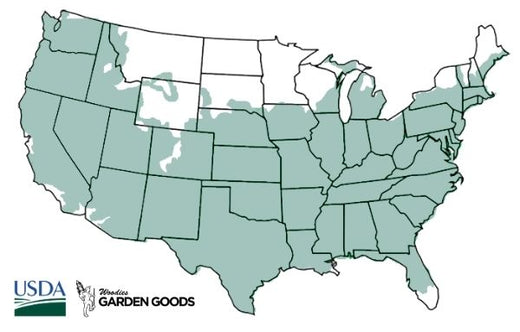
| Hardiness Zone: | 5-9 |
|---|---|
| Mature Height: | 8 to 12 inches |
| Mature Width: | 12 to 18 inches |
| Sunlight: | Partial shade to full shade |
| Soil | Average to humusy, well-drained soil |
| Water | Moderate during establishment; lower once established |
| Bloom Time / Color: | Mid to late spring; Primrose yellow to pale yellow |
| Foliage | Semi-evergreen to evergreen in mild climates; Heart-shaped green foliage; new growth may show red, bronze, or mottled highlights; fall color may include red or bronze tones |
| Ornamental Features | Yellow spring flowers; bronze-red new foliage; decorative heart-shaped leaves; groundcover habit |
| Wildlife Value | Spring flowers may provide resources for visiting insects |
| Resistance (deer/disease/drought/etc.) | Deer resistant, rabbit resistant, dry shade tolerant once established |
| Landscape Uses | Woodland gardens; dry shade; beneath trees; shaded borders; pathways; mass plantings |
How to Care for Epimedium Sulphureum
After purchasing your Epimedium Sulphureum, be sure to read our care instructions to ensure this perennial is happy and healthy for years to come.

How should I plant Epimedium Sulphureum?
Plant Epimedium Sulphureum in partial shade to full shade, preferably in a location protected from harsh afternoon sun and drying winter winds. Choose well-drained soil and improve the planting area with compost or leaf mold where needed. Dig a hole approximately twice as wide as the root ball but no deeper, loosen the surrounding soil, and place the plant so its crown remains level with the soil surface. Backfill gently and water thoroughly to settle the soil around the roots. For groundcover applications, space plants approximately 12 to 18 inches apart, depending on how quickly you want the planting to fill in. A layer of shredded leaves or organic mulch helps conserve moisture and contributes to the woodland conditions this plant prefers. Keep mulch away from the crown and avoid deeply cultivating around established plants because their underground rhizomes spread near the soil surface.

How often should I water Epimedium Sulphureum after planting?
Water Epimedium Sulphureum thoroughly after planting and maintain consistent soil moisture throughout the first growing season. Check the soil regularly, especially during hot weather and extended periods without rainfall. When the upper portion of the soil begins to dry, water deeply enough to moisten the root zone. Young plants beneath established trees may need additional attention because mature tree roots compete for available moisture. Once Epimedium Sulphureum develops a healthy root system, it becomes considerably more tolerant of dry shade than many common woodland perennials. Established plants generally need supplemental watering only during prolonged dry periods, although occasional deep watering can help maintain attractive foliage during summer drought. Avoid continuously saturated soil, especially in winter, because good drainage is important for long-term plant health.

When should I fertilize Epimedium Sulphureum?
Fertilize Epimedium Sulphureum lightly in early spring as new growth begins. In most garden soils, an annual topdressing of compost or leaf mold provides sufficient nutrients to support healthy foliage, flowering, and gradual spread. If the soil is particularly poor, a modest application of balanced, slow-release fertilizer can be beneficial. This perennial does not require an aggressive feeding program and often performs very well with minimal fertilization. Avoid applying excessive nitrogen fertilizer, which may encourage unnecessary soft growth without improving the plant's natural performance. Maintaining good soil structure and organic matter is generally more important than repeated fertilizer applications. In established woodland beds, allowing healthy fallen leaves to decompose or adding a light layer of shredded leaf mulch helps replenish organic matter naturally.

When and how should I prune Epimedium Sulphureum?
The best time to prune Epimedium Sulphureum is late winter or very early spring, before new flower stems and foliage begin to emerge. Remove old, flattened, or winter-damaged leaves by cutting them close to the base of the plant. This simple cleanup allows the yellow spring flowers to be seen more clearly and gives the emerging reddish-bronze foliage room to develop. In mild climates where leaves remain attractive through winter, pruning may be limited to removing damaged foliage. Take care not to wait until new flower stems are actively growing, because the delicate emerging shoots can be accidentally damaged during pruning. In colder areas, delaying cleanup until the danger of severe frost has diminished may help protect tender new growth. After the spring flowering period, little additional pruning is necessary unless you want to remove damaged leaves or divide an established colony.


