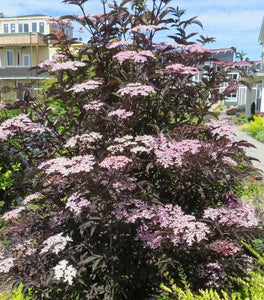
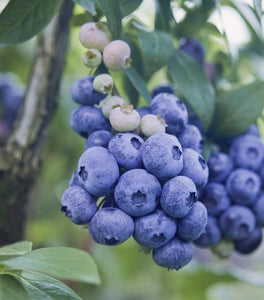
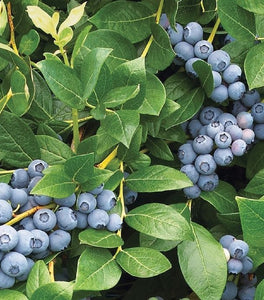
Images Depict Mature Plants
Johns Elderberry
Sambucus canadensis 'Johns'
What gets my attention about Johns Elderberry is its combination of large fruit clusters, strong growth, and genuine landscape presence. I've always liked plants that accomplish several things at once, and this is exactly that kind of shrub. You get beautiful white flowers in early summer, dark berries later in the season, and a substantial native plant that contributes to wildlife habitat. I particularly recommend Johns for homeowners establishing an edible hedge or a naturalized planting where the shrub has room to spread. One thing I always emphasize is planting Johns with a compatible pollination partner, preferably Adams Elderberry, because that can make a real difference in fruit production. I also wouldn't underestimate its mature size; this is a vigorous grower, and it needs room. Compared with some other elderberry varieties, Johns stands out for its large fruit clusters and vigorous habit, although that doesn't automatically mean it will produce the greatest total harvest. Give it sunshine, adequate moisture, and occasional renewal pruning, and you'll have an attractive, productive shrub that contributes far more than just another patch of greenery.
$55.96 with code WEEKEND20 at checkout Save $13.99
📦 Free shipping on orders over $99.
Delay shipping by leaving us a message at Checkout.
Share:

Johns Elderberry – A Vigorous Native Shrub with Beautiful White Flowers and Abundant Fruit Potential
Johns Elderberry Plants Bring Beauty and Harvest Potential to the Landscape
If you're looking for an edible shrub that earns its place in the landscape, Johns Elderberry deserves serious consideration. This vigorous selection of American elderberry combines showy clusters of white summer flowers, handsome green foliage, and large clusters of dark purple-black berries on a substantial, multi-stemmed shrub. It has the informal, natural appearance that works beautifully in edible landscapes, native plantings, and backyard fruit gardens. Unlike a shrub grown strictly for flowers, Johns offers another season of interest when its fruit develops. That combination makes it especially appealing to gardeners who enjoy plants that provide both ornamental beauty and a useful harvest.
One of the things I appreciate about Johns Elderberry is that it doesn't ask you to choose between a productive garden and an attractive one. Its broad flower clusters look beautiful against the leafy branches in early summer, while the berries that follow create a second reason to pay attention to the plant. The fruit is especially well suited to cooked preparations such as elderberry jelly, syrup, juice, and preserves. With room to develop and a suitable pollinator nearby, this native fruiting shrub can become a dependable feature in a larger home garden.
Large White Elderberry Flowers Create an Impressive Summer Display
Before Johns Elderberry produces fruit, it puts on a display of broad, flattened clusters of small white flowers. These clusters generally appear from late spring into early summer, depending on the growing region and seasonal weather. Individually, the flowers are delicate, but together they create an airy, almost lace-like effect against the plant's bright green foliage. Their lightly sweet fragrance adds another pleasant quality during bloom. This is part of what makes Johns so attractive in a landscape setting: the flowers provide genuine ornamental value even for gardeners who aren't primarily interested in harvesting berries.
The flowering season is also important because it sets the stage for the fruit crop. Pollinating insects visit the blossoms, and successful pollination leads to the clusters of berries that develop later in the summer. For the strongest fruit set, plant Johns near a different American elderberry cultivar that flowers at approximately the same time. Adams Elderberry is a particularly useful companion. I like to think about these shrubs as a pair when planning an edible garden: planting two compatible varieties can improve the harvest while also creating a fuller, more substantial planting with additional flowers for pollinators.
Grow Large Clusters of Purple-Black Elderberries for Homemade Preserves
The fruit is one of the biggest reasons to plant Johns Elderberry. This cultivar is recognized for large fruit clusters and relatively large berries, which ripen to a glossy purple-black color in late summer. In many regions, harvest begins around August, although weather and location can shift the timing. As the fruit matures, the clusters become an attractive feature hanging among the leafy branches. A well-sited shrub can offer a rewarding harvest for homeowners interested in producing their own elderberry-based foods, especially when another compatible cultivar is growing nearby.
Johns Elderberry is best regarded as a processing berry rather than a fresh-eating fruit. The ripe berries should be properly cooked before consumption, and the stems, leaves, and other vegetative parts should not be eaten. Gardeners commonly use cooked elderberries in jams, jellies, syrups, pies, and beverages. It's worth understanding that while ‘Johns’ is noted for sizable clusters, it isn't necessarily the highest-yielding cultivar in every comparison. Its real appeal is the combination of attractive flowers, useful fruit, and vigorous growth. That makes it particularly appealing to homeowners who want a productive shrub that also contributes significantly to the landscape.
A Fast-Developing Native Shrub for Edible Hedges and Natural Screens
Johns Elderberry has an extremely vigorous, upright-to-spreading growth habit that makes it useful wherever a substantial shrub is appropriate. Under favorable conditions, it commonly reaches about 8 to 10 feet tall and 6 to 8 feet wide, and can become broader as it matures. Its long, arching branches carry attractive compound leaves that create a full, textured appearance throughout the growing season. This is not a plant I would place in a narrow foundation bed or beside a walkway that needs to remain open. It is much better suited to areas where its natural shape can develop.
For homeowners creating a productive landscape, Johns Elderberry can help define the edge of a vegetable garden, fill a sunny property border, or contribute to an informal edible hedge. Its summer foliage provides seasonal screening, although the leaves drop in winter, so it should not be considered an evergreen privacy plant. The shrub can also produce suckers that gradually expand a planting. That characteristic is useful when naturalizing an area, but unwanted shoots should be removed when a more controlled appearance is desired. Give Johns adequate space from the beginning, and it can develop into a handsome, generously sized feature rather than a shrub that constantly needs to be held back.
American Elderberry Supports Pollinators, Birds, and Wildlife Gardens
Johns Elderberry is a cultivated selection of American elderberry, a species native to much of eastern North America. That native heritage gives it an important place in landscapes designed to provide more than ornamental color. Its summer flowers offer resources for visiting insects, while the ripe berries are eaten by birds and other wildlife. The shrub's branches and leafy growth also provide cover and habitat. For gardeners interested in making their property more welcoming to wildlife, elderberry brings several functions together in one plant.
I particularly like using Johns Elderberry in a mixed native border rather than planting it in isolation. Pairing it with moisture-tolerant perennials, native grasses, and other flowering shrubs can create a planting with changing interest throughout the season. Its larger size makes it an excellent background plant, giving smaller perennials room to shine in front. Keep in mind that birds may discover the ripe berries before you do. If your main objective is a culinary harvest, protect ripening fruit with appropriately installed, wildlife-safe netting. If your priority is supporting birds, leaving some fruit on the plant can be part of the plan.
Johns Elderberry Thrives with Sunshine, Fertile Soil, and Consistent Moisture
Johns Elderberry performs best in full sun with fertile soil that holds moisture without remaining continuously waterlogged. It will tolerate partial shade, making it useful along woodland edges and in less exposed garden areas, but good sunlight generally encourages stronger flowering and fruit production. American elderberry is adaptable to a range of soil types, including soils that stay somewhat moister than a typical planting bed. That flexibility is helpful in many landscapes, although heavy, stagnant water and badly compacted soil should still be corrected before planting.
The most important care consideration is consistent moisture, especially during establishment and fruit development. Elderberries have relatively shallow roots, and long dry periods can affect growth and fruit quality. A layer of mulch helps moderate soil temperature, reduce weed competition, and conserve moisture. Johns also benefits from periodic renewal pruning because vigorous newer canes contribute heavily to fruit production. With room to grow, an appropriate pollination partner, and attentive watering during dry weather, this shrub offers a practical combination of low-complexity care, ornamental appeal, and worthwhile harvest potential.
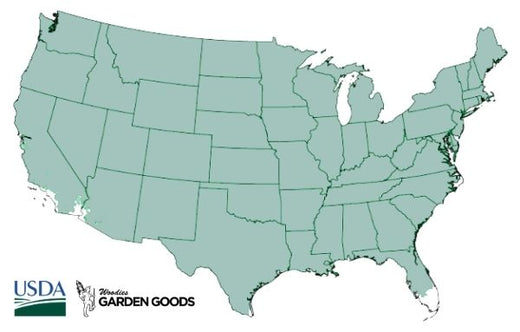
| Growth Zone: | 3-9 |
|---|---|
| Mature Height: | Typically 8 to 10 feet |
| Mature Width: | Typically 6 to 8 feet; may spread farther through suckers |
| Sunlight: | Full sun to partial shade; best fruiting in full sun |
| Bloom Time / Color: | Late spring to early summer; usually June to July; White to creamy white |
| Soil Condition: | Fertile; moisture-retentive; well-drained to occasionally wet |
| Water Requirements: | Moderate to regular; consistent moisture preferred |
| Wildlife Value: | Flowers support insects; fruit feeds birds and wildlife; provides cover |
| Resistance (deer/disease/drought/etc.): | Low; deer may browse foliage and twigs |
| Landscape Uses: | Edible hedges; native borders; wildlife gardens; informal screens; larger rain-garden edges |
| Suggested Pollination Partner | Adams Elderberry |
How to Care for Johns Elderberry
Be sure to read our planting instructions to ensure healthy and happy Johns Elderberry Shrubs for years to come!

How should I plant Johns Elderberry?
Plant Johns Elderberry in full sun to partial shade, choosing a location with fertile soil and room for its mature size. For the strongest flowering and fruit production, a site receiving at least six hours of direct sunlight is preferable. Dig a planting hole approximately twice as wide as the root ball and no deeper than its height. Position the shrub with the top of the root ball level with the surrounding soil, backfill using the excavated soil, and water thoroughly. Allow approximately 8 to 10 feet between shrubs when designing an accessible, productive landscape planting. Johns can grow into a substantial plant, so avoid positioning it too close to buildings or narrow walkways. Incorporate compost when needed to improve poor soil, and apply mulch around the root zone without piling it against the stems. For better berry production, plant a second compatible elderberry cultivar nearby, such as Adams Elderberry.

How often should I water Johns Elderberry after planting?
After planting, water deeply to settle the soil around the roots. During the first growing season, keep the root zone consistently moist without leaving it saturated. Check the soil regularly, especially during hot weather and in sandy planting locations. Watering frequency will depend on rainfall, temperature, drainage, and soil type, so monitor moisture rather than following an inflexible calendar. Established Johns Elderberry shrubs can tolerate some variation in moisture, but extended drought can reduce growth and fruit quality. Supplemental irrigation is especially valuable during flowering and berry development. A broad layer of organic mulch helps retain soil moisture while reducing competition from weeds. Don't assume that because elderberry tolerates occasional wet soil, it will remain productive through prolonged dry periods without assistance.

When should I fertilize Johns Elderberry?
The best time to fertilize Johns Elderberry is early spring, as new growth begins. Start with a soil test when practical, especially if planting several shrubs for fruit production. In reasonably fertile garden soil, compost and modest amounts of a balanced fertilizer may be sufficient. Because elderberries are naturally vigorous plants, fertilizer needs should be judged partly by the amount and quality of new growth. Avoid applying large amounts of nitrogen simply to encourage rapid growth. Excess nitrogen can produce unnecessary leafy growth without improving the quality of the harvest. If a mature shrub is already growing vigorously, additional fertilizer may not be needed. Avoid heavy late-season feeding that encourages tender growth when the plant should be preparing for dormancy.

When and how should I prune Johns Elderberry?
Prune Johns Elderberry in late winter or early spring while the shrub is dormant. Begin by removing dead, broken, diseased, or weak stems. As the shrub matures, selectively remove older canes near ground level to encourage vigorous replacement growth and maintain an open structure. Good pruning improves light penetration, airflow, and accessibility when harvesting fruit. American elderberry commonly produces its heaviest fruit crops on healthy, vigorous second-year canes, so avoid removing all productive stems every year. Maintain a mix of younger and established canes rather than repeatedly cutting the entire plant to the ground. Johns also produces root suckers, which can be removed when they appear outside the desired planting area. Regular renewal pruning keeps this naturally vigorous shrub manageable while supporting future flowering and fruiting.