
Hydrangea Macrophylla for Bold Summer Blooms & Garden Color
Bigleaf hydrangeas are the shrubs most people picture when someone says “hydrangea.” These are the classic plants with big green leaves and rounded mophead flowers or delicate lacecap blooms in shades of blue, pink, purple, red, and white. They bring a lush, established look to foundation beds, shaded borders, entry gardens, patios, and cottage-style landscapes without needing the size of a large flowering shrub. This collection has a particularly useful mix of traditional bigleaf hydrangeas and newer reblooming varieties, so gardeners can choose between the old-fashioned hydrangea look they remember and more forgiving selections that can flower on both old and new growth. Some stay around 3 feet tall, while others mature closer to 5 or 6 feet, giving you plenty of options for real residential landscapes.
The important thing with bigleaf hydrangeas is understanding what makes them different from panicle or smooth hydrangeas. They appreciate protection from hot afternoon sun, they like consistent moisture, and pruning timing matters because many varieties form next year’s flowers on stems they grew this year. Newer reblooming cultivars make that easier by producing flowers on both old and new wood, but even those perform best when you avoid unnecessary pruning and protect the plant from stress. Get the location right, keep the roots comfortably moist, and these shrubs can give you an impressive summer display year after year. The We Grow Together Promise adds another layer of confidence when you are choosing a hydrangea for a prominent spot in your landscape.
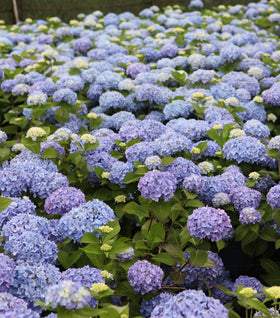
Endless Summer® Reblooming Hydrangea
As Low As $46.95

Endless Summer® Summer Crush® Hydrangea
As Low As $46.95

Twist-n-Shout® Reblooming Hydrangea
As Low As $44.95
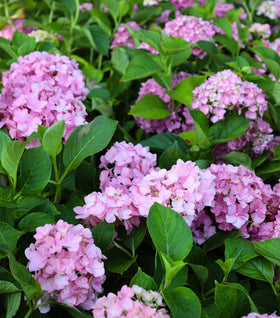
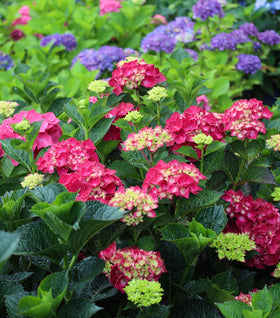

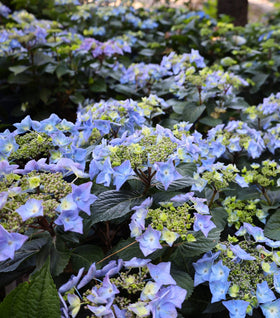
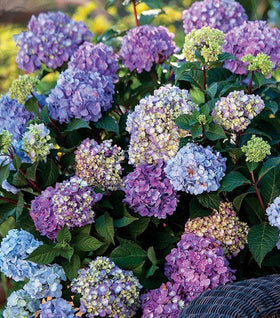
Endless Summer® BloomStruck® Hydrangea
As Low As $44.95
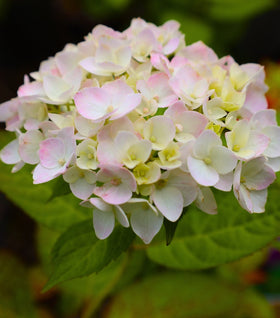
Endless Summer® Blushing Bride® Hydrangea
As Low As $58.95


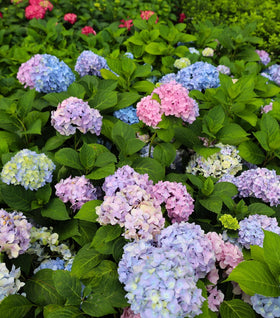

Cherry Explosion™ Hydrangea
$99.95
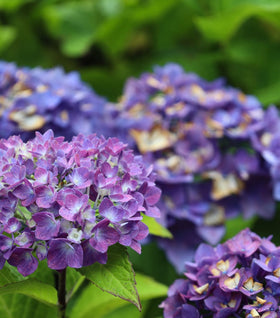
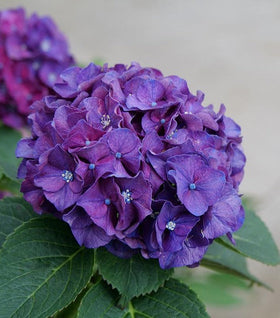
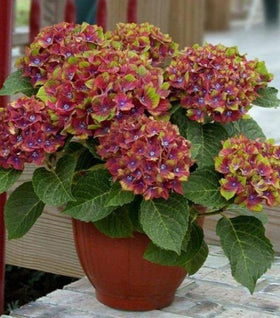

Blue Jangles® Reblooming Hydrangea
$99.95


Choose bigleaf hydrangeas for classic summer color.
Bigleaf hydrangeas are made for gardeners who want flowers to become a major part of the landscape. Their broad leaves create a substantial green backdrop before the blooms even open, and once flowering begins, the shrubs can become one of the strongest visual features in a foundation bed or mixed border. Unlike plants with smaller individual flowers, bigleaf hydrangeas produce large clusters that read clearly from across the yard. That makes them especially useful near front entries, porches, walkways, patios, and other places where you want summer color to make an immediate impression.
The collection includes both mophead and lacecap flower forms. Mopheads produce the rounded, ball-like clusters most people associate with classic hydrangeas. Lacecaps have a flatter structure, with smaller fertile flowers in the center surrounded by showier outer florets. The two forms create very different looks even though both come from the same species. Mopheads feel bold, full, and traditional, while lacecaps have a lighter, more natural appearance that blends beautifully into woodland edges and pollinator-oriented gardens.
Bigleaf hydrangeas are also valuable because so many cultivars stay at a manageable residential size. Many selections mature around 3 to 5 feet tall and wide, making them large enough to anchor a planting without routinely swallowing windows, pathways, or smaller neighboring shrubs. Compact selections can be even smaller and work well in tighter foundation spaces or large containers. More vigorous varieties may reach 5 to 6 feet or beyond, so checking the mature dimensions of the individual cultivar is still important before planting.
The live assortment also gives gardeners a choice between traditional old-wood bloomers and reblooming hydrangeas. Traditional cultivars can produce spectacular displays but rely heavily on flower buds that survive the winter on existing stems. Reblooming types can flower on old wood and then produce additional blooms on new growth, giving gardeners more opportunity for color even when winter or spring weather damages some of the original buds.
Find the mophead or lacecap look you want.
Flower color is one of the most interesting parts of shopping for bigleaf hydrangeas. Depending on the cultivar, this collection can include blue, pink, purple, red, white, and multicolored flowers. Many blue-, pink-, and purple-flowering varieties respond to soil chemistry. More acidic conditions with available aluminum generally encourage bluer flowers, while less acidic to alkaline conditions favor pink. Intermediate conditions can create lavender and purple tones. This is why the same hydrangea cultivar may look noticeably different from one garden to another.
That color-changing ability does not apply equally to every bigleaf hydrangea. White-flowering cultivars generally stay white rather than turning blue or pink, and some modern red or specialty-color selections have been bred for more stable color characteristics. Even with color-responsive cultivars, changes in soil pH are gradual rather than instantaneous. It is better to focus first on creating healthy soil, consistent moisture, and good growth, then fine-tune flower color over time if a particular shade is important to you.
Mature size varies by selection, but a useful general range for bigleaf hydrangeas is about 3 to 6 feet tall and wide. Compact modern cultivars may remain 2 to 4 feet tall, while more vigorous forms can grow larger under favorable conditions. Growth is typically moderate to fairly quick once roots become established. Their rounded, multi-stemmed habit fills out naturally, so they usually need very little formal shaping when given enough room from the beginning.
The broad green leaves are part of the appeal too. Bigleaf hydrangeas have noticeably large, textured foliage that gives the shrub a lush presence even between bloom cycles. Most are deciduous, losing their leaves after frost and returning from the existing framework or crown the following spring. Flowers also make excellent fresh-cut material, and mature blooms can often be dried for arrangements, extending their usefulness well beyond the landscape.
Place them where shade and moisture work together.
Morning sun with afternoon shade is one of the safest locations for bigleaf hydrangeas, particularly in warm summer climates. Several hours of gentle morning light support flowering, while protection from intense afternoon heat helps reduce leaf scorch and midday wilting. Bright filtered light or dappled shade can also work well. Too much deep shade, however, may reduce flowering, so the goal is to protect the plant from harsh heat rather than keep it in darkness.
Moisture is equally important. Bigleaf hydrangeas have large leaves that can lose water quickly during hot weather, so they appreciate soil that stays consistently moist without remaining waterlogged. A well-drained soil enriched with organic matter is ideal. Mulch over the root zone helps moderate soil temperature and reduces moisture loss, making it especially valuable around hydrangeas planted where they receive several hours of sun.
Spacing should be based on the mature width of the individual cultivar. Compact selections may be spaced around 3 feet apart, while larger bigleaf hydrangeas often need 4 to 6 feet between plants. Giving them enough room improves airflow, allows the rounded shape to develop naturally, and makes pruning and maintenance much easier. Crowding several shrubs together simply because they look small at planting time usually creates more work later.
Use bigleaf hydrangeas where their flowers can be appreciated up close. They are excellent along foundations, beside entries, around patios, in mixed shrub borders, shade gardens, cottage gardens, and grouped plantings. Compact varieties also perform well in large containers with good drainage and sufficient soil volume to prevent the roots from drying out too quickly. They can form an informal flowering hedge, but they are usually better used for summer color than for year-round screening because they are deciduous.
Protect next year’s blooms with simple care.
Pruning is the most important care detail to understand with bigleaf hydrangeas. Traditional Hydrangea macrophylla varieties flower primarily on old wood, which means next year’s flower buds begin developing on stems during the previous growing season. If those stems are cut back in fall, winter, or early spring, you may remove the flowers before they ever have a chance to open. If pruning is needed, traditional bigleaf hydrangeas are best shaped immediately after flowering and before new flower buds are well developed later in summer.
Reblooming bigleaf hydrangeas are more forgiving. Cultivars that flower on both old and new wood can still produce blooms from fresh growth even when some overwintered buds are damaged. That does not mean they should be cut down routinely. The easiest approach with nearly all bigleaf hydrangeas is to prune as little as possible. In spring, wait long enough to see which buds are still developing before removing stems that are clearly dead. After flowering, remove only what is necessary for size, shape, or rejuvenation.
Winter and late-spring cold are major reasons gardeners sometimes get healthy green hydrangeas with few flowers. The roots may survive perfectly well while flower buds on the stems are damaged by cold temperatures or a late freeze. This is why reblooming varieties can be especially useful in colder climates. Hardiness varies by cultivar, and the current assortment includes selections suited to different zones, so choosing a variety rated for your climate matters just as much as pruning correctly.
Water newly planted shrubs deeply and consistently while roots establish. After establishment, continue to watch them during summer heat and extended dry periods. Wilting in hot afternoon weather does not always mean the soil is dry, so check the soil before automatically adding more water. A layer of mulch and deep watering at the root zone are usually more effective than frequent shallow watering.
Feed lightly rather than aggressively. Too much nitrogen can create a large, leafy shrub with disappointing flower production. A moderate spring feeding or compost application is generally enough in reasonably fertile soil. If you want to adjust the blue or pink flower color, test the soil first rather than repeatedly adding acidifiers or lime without knowing the existing pH.
Bigleaf hydrangeas can develop Cercospora leaf spot, anthracnose, powdery mildew, and other leaf diseases, particularly when foliage stays wet and air circulation is poor. Watering at the soil line, allowing adequate spacing, and cleaning up heavily diseased fallen leaves can reduce pressure. Aphids and other insects may occasionally appear but are rarely the defining challenge of this shrub. Deer are a more important concern: bigleaf hydrangeas can be browsed, and damage to overwintering stems can also remove future flower buds.
Bigleaf hydrangeas also contain compounds that can cause illness if enough plant material is eaten. Leaves, flowers, and bark should not be treated as edible, and the shrubs should be placed thoughtfully around pets or children who regularly chew plants. This does not make them difficult landscape plants; it is simply an important consideration when choosing where to grow them.