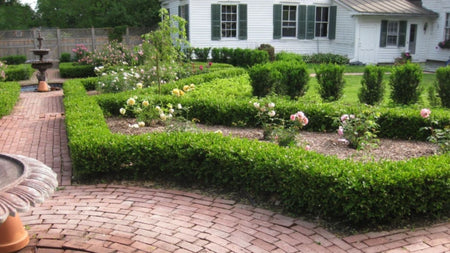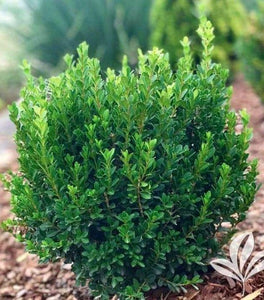


Images Depict Mature Plants
American Boxwood
Buxus sempervirens
I've always appreciated American Boxwood because it brings a sense of permanence and tradition to a landscape. When I think about the beautiful formal gardens surrounding older homes and estates, American Boxwood is one of the first plants that comes to mind. Its dense, dark green foliage and substantial growth habit make it an excellent choice for tall evergreen hedges, large foundation plantings, and traditional garden borders. What I particularly like is that you can maintain it as a carefully shaped hedge or allow it to develop into a more natural, rounded evergreen shrub. One thing I always remind gardeners is that American Boxwood can become a large plant over time, so don't treat it like a dwarf boxwood when deciding where to plant it. Give it plenty of room, well-drained soil, and some protection from harsh winter exposure. I also recommend periodically thinning the branches to improve air circulation and watching for common boxwood pests. For homeowners who want a classic, deer-resistant evergreen that brings structure and elegance to the landscape, American Boxwood is a plant I've always considered a dependable choice.
$18.32 with code SAVINGS20 at checkout Save $4.58
📦 Free shipping on orders over $99.
Delay shipping by leaving us a message at Checkout.
Share:Recommended Add-Ons


American Boxwood – Classic Evergreen Beauty for Formal Hedges and Timeless Landscapes
Create Timeless Evergreen Hedges with American Boxwood
American Boxwood is one of the most recognizable evergreen shrubs used in traditional landscape design, valued for its dense foliage, refined appearance, and exceptional ability to form beautiful formal hedges. The small, glossy green leaves grow closely together on well-branched stems, creating a rich, continuous texture that provides structure throughout the year. Unlike deciduous hedges that lose their leaves during winter, American Boxwood retains its foliage and maintains a consistent green presence. This makes it especially desirable for homeowners who want permanent garden boundaries, attractive foundation plantings, and year-round landscape definition.
One of the most important advantages of American Boxwood is its ability to develop into a substantial evergreen hedge while remaining manageable through regular pruning. This variety grows larger than many compact boxwoods commonly used for low edging, making it particularly well-suited for medium- to tall-height formal hedges. A row of American Boxwood can define garden rooms, create an attractive property boundary, or establish a structured backdrop for flowering shrubs and colorful perennials. Its traditional appearance complements brick homes, stone walls, formal walkways, and classic garden architecture. For homeowners seeking a dependable evergreen that creates an established, elegant landscape, American Boxwood remains a timeless choice.
Establish Beautiful Foundation Plantings with Large Boxwood Shrubs
American Boxwood is an excellent choice for foundation plantings where homeowners want a larger, more substantial evergreen presence. Its naturally upright-to-broadly rounded growth habit gives it a fuller silhouette than many dwarf boxwood varieties, allowing it to anchor larger planting beds and provide year-round structure along the front of a home. The dark green foliage contrasts beautifully with light-colored siding, brick, natural stone, and decorative architectural details. When planted in repeating groups, American Boxwood creates a sense of consistency that helps connect separate areas of the landscape.
Because this variety can become quite large over time, thoughtful placement is especially important. Unlike compact boxwood shrubs that remain only a few feet tall, mature American Boxwood can eventually reach 15 to 20 feet in height when left unpruned. Most residential specimens are maintained at a much smaller size, but homeowners should understand the plant's long-term growth potential before positioning it near windows, walkways, or narrow planting beds. American Boxwood is particularly effective around larger homes, estate-style landscapes, and spacious foundation beds where a substantial evergreen shrub is appropriate. Allowing adequate room for mature growth reduces future maintenance and preserves the plant's attractive natural form.
Enjoy Dense Dark Green Evergreen Foliage Throughout the Year
One of the greatest attractions of American Boxwood is its rich, dark green foliage that provides dependable color in every season. Its small, glossy leaves form a dense canopy that creates an elegant background for flowering plants while remaining attractive when those plants are dormant. During spring, fresh green growth adds subtle color to established branches. Throughout summer and fall, the foliage develops a consistent, refined appearance that complements both traditional and contemporary landscape designs. The fine texture is particularly useful for bringing visual balance to gardens containing broadleaf flowering shrubs and ornamental grasses.
American Boxwood also provides valuable winter structure. While many landscape plants disappear or lose their leaves during colder months, its evergreen foliage helps maintain the definition of garden beds, hedges, and property boundaries. In exposed locations, leaves can sometimes develop bronze or yellowish tones caused by winter sunlight, drying winds, and moisture stress. This seasonal discoloration can often be reduced by planting in a sheltered location and maintaining adequate soil moisture before the ground freezes. The ability to provide consistent evergreen structure makes American Boxwood especially valuable in four-season landscape designs where permanent foliage is an important part of the garden.
Design Elegant Formal Gardens and Traditional Boxwood Topiary
American Boxwood has a long history in formal garden design because its dense branching and small evergreen leaves respond beautifully to careful pruning. Homeowners can use it to establish rectangular hedges, rounded garden accents, or more elaborate geometric shapes. Unlike naturally pyramidal varieties that emphasize vertical structure, American Boxwood develops a broader, more rounded habit that provides flexibility when creating formal landscape features. Its foliage can be maintained in a tidy outline with periodic trimming, making it particularly useful in gardens where symmetry and defined shapes are central design elements.
For traditional landscapes, American Boxwood looks beautiful beside brick walkways, ornamental garden walls, roses, and flowering perennials. It can also be planted as a substantial specimen shrub, allowing its natural form to contribute structure without extensive shaping. Formal boxwood hedges create a sense of organization and permanence, while individual specimens provide attractive evergreen anchors throughout the landscape. Gardeners who enjoy topiary can train American Boxwood into rounded or geometric forms, although these applications require consistent maintenance. Its combination of natural beauty and pruning versatility makes American Boxwood one of the classic choices for structured residential gardens.
Create Beautiful Evergreen Privacy and Garden Boundaries
American Boxwood is particularly valuable for homeowners who want dense evergreen boundaries that provide structure and moderate privacy throughout the year. Its closely spaced leaves and branching stems create a full appearance when plants are established and properly maintained. Unlike very compact boxwoods intended primarily for low edging, American Boxwood can grow tall enough for more substantial screening. When planted in a row, it can help define property lines, create garden rooms, or separate outdoor living areas from surrounding landscape features.
Because the plant grows at a relatively controlled pace, American Boxwood is best suited to homeowners who value long-term hedge development rather than immediate, rapid privacy. Young plants require time to establish and fill the spaces between neighboring shrubs. For a formal hedge, spacing depends on the desired finished height, density, and level of maintenance. Regular selective pruning encourages branching, while keeping the hedge slightly wider at the bottom helps maintain healthy foliage along its lower branches. American Boxwood provides a refined alternative to taller conifer screens when a traditional broadleaf evergreen hedge is desired and sufficient time and space are available.
Grow Deer-Resistant American Boxwood with Proper Planting and Care
American Boxwood offers excellent resistance to deer browsing, making it especially useful for landscapes where deer frequently damage ornamental shrubs. Its foliage is generally less appealing to browsing animals than many flowering shrubs and broadleaf evergreens. This characteristic, combined with dense evergreen growth and a long landscape history, makes it a valuable choice for formal gardens and substantial foundation plantings. However, no plant is completely deerproof, and young shrubs can still experience occasional browsing or antler damage under heavy deer pressure.
For successful growth, American Boxwood prefers well-drained soil, moderate moisture, and protection from harsh winter exposure. It performs in full sun to partial shade, although some afternoon protection is beneficial in locations with intense summer heat. The plant's relatively shallow root system benefits from organic mulch, and newly installed shrubs require consistent watering while roots develop. Avoid locations where water remains trapped around the roots because prolonged saturation can lead to decline. American Boxwood can also experience boxwood blight, leafminer, and other pests, so maintaining good air circulation and monitoring plant health are important. Proper planting and thoughtful maintenance are essential for preserving healthy, attractive foliage over the long term.
Build a Long-Lasting Landscape with Classic American Boxwood
Few evergreen shrubs offer the same combination of traditional garden character, substantial mature size, and versatile landscape applications as American Boxwood. Its long history in American gardens reflects its ability to provide a consistent structural element that complements changing landscape styles. A mature American Boxwood can become an important feature in a garden, providing year-round greenery while surrounding flowering plants change through the seasons. Its dense foliage creates visual weight and balance, helping larger landscape beds look finished and intentional.
For homeowners interested in creating lasting curb appeal, American Boxwood offers numerous possibilities. Use individual specimens as evergreen anchors, establish a formal hedge along a walkway, or plant several shrubs to create a traditional garden enclosure. Its growth is relatively slow compared with many screening evergreens, but this measured development also allows the plant to maintain an attractive shape with periodic maintenance. American Boxwood is particularly well suited to larger residential landscapes and formal gardens where long-term structure matters more than rapid growth. With adequate spacing, good drainage, and thoughtful seasonal care, it can become an enduring feature that adds beauty and definition to the landscape for many years.
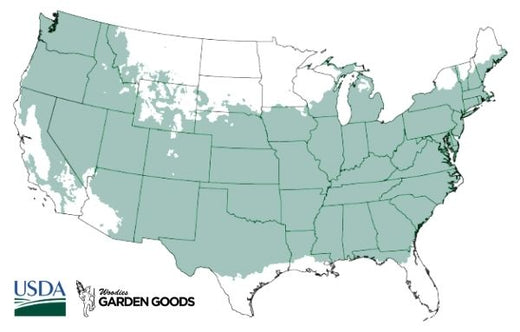
| Hardiness Zone: | 5-8 |
|---|---|
| Mature Height: | Commonly 5 to 10 feet in maintained landscapes; potentially 15 to 20 feet unpruned |
| Mature Width: | Commonly 5 to 10 feet in maintained landscapes; potentially 15 feet or more with age |
| Sunlight: | Full sun to partial shade; tolerates shade; some afternoon protection beneficial |
| Bloom Time / Color: | Spring; Inconspicuous yellow-green to cream |
| Soil Condition: | Moist but well-drained; loamy; sandy; improved clay with adequate drainage; slightly acidic to neutral or mildly alkaline |
| Water Requirements: | Moderate during establishment; supplemental watering during prolonged drought |
| Wildlife Value: | small spring flowers can be visited by bees and other insects |
| Resistance (deer/disease/drought/etc.): | Deer; rabbit browsing; partial shade; occasional drought once established |
| Landscape Uses: | Formal hedges; tall evergreen borders; foundation plantings; topiary; garden rooms; specimen shrubs; property boundaries; traditional landscapes |
How to Care for American Boxwood
Be sure to read our planting instructions to ensure a healthy and happy American Boxwood plant for years to come!

How should I plant American Boxwood?
Choose a location with well-drained soil and full sun to partial shade, preferably with protection from harsh winter winds and intense afternoon heat. Dig a hole approximately twice as wide as the root ball and no deeper than its height. Carefully remove the shrub from its container, loosen any circling roots, and position the top of the root ball level with or slightly above the surrounding soil. Backfill with native soil, gently firm the planting area, and water thoroughly. Avoid planting American Boxwood too deeply, because its shallow root system needs good drainage and adequate oxygen. When establishing a substantial hedge, allow approximately 3 to 5 feet between plants, adjusting spacing for the intended finished height and mature width. Closer spacing may be appropriate for a maintained hedge, while individual specimens need considerably more room to develop naturally. Apply 1 to 2 inches of organic mulch over the root zone without piling it against the stems. Avoid low-lying planting sites where water accumulates and locations where overhead irrigation keeps the foliage wet for extended periods. Good spacing and air circulation help support healthy boxwoods.

How often should I water American Boxwood after planting?
Newly planted American Boxwood needs consistent moisture throughout the establishment period. Water deeply immediately after planting, then monitor the root zone regularly. Irrigate when the upper portion of the soil begins to dry, adjusting frequency according to rainfall, temperature, soil type, and plant size. Because boxwoods have relatively shallow root systems, young plants can experience moisture stress when the surrounding soil dries excessively. Deep watering directed toward the root zone is preferable to frequent shallow sprinkling, particularly during hot weather. Once established, American Boxwood tolerates occasional dry periods but should not be considered an extremely drought-tolerant shrub. Supplemental irrigation is helpful during prolonged summer drought and unusually dry autumn weather. Maintaining appropriate soil moisture before winter can reduce the risk of winter dehydration, especially in exposed locations where evergreen foliage continues losing moisture. Avoid saturated soil and ensure that irrigation water drains adequately. A light organic mulch helps conserve moisture, regulate root-zone temperature, and reduce competition from weeds.

When should I fertilize American Boxwood?
American Boxwood generally requires minimal fertilization when growing in fertile, healthy garden soil. If a soil test reveals a deficiency or growth is noticeably weak, apply a balanced, slow-release fertilizer formulated for evergreen shrubs in early spring. Follow the manufacturer's instructions carefully and avoid placing fertilizer against the main stems. Boxwood typically performs best in soil with a slightly acidic to mildly alkaline reaction, so a soil test can help identify conditions that may be limiting nutrient availability. Avoid excessive nitrogen fertilizer, which can encourage soft, rapid growth that may be more vulnerable to winter injury and require additional pruning. American Boxwood naturally grows at a relatively controlled rate, and fertilizer should not be used to force it to develop rapidly. Late-season feeding is generally discouraged in colder climates because tender new shoots may not harden sufficiently before winter. Many established shrubs need little or no annual fertilizer when the soil is reasonably fertile. Good drainage, adequate moisture, and healthy roots remain the foundation of long-term boxwood performance.

When and how should I prune American Boxwood?
American Boxwood responds well to pruning and can be maintained as a formal hedge, rounded specimen, or sculpted topiary. The best time for structural thinning is late winter to early spring, before vigorous growth begins. Remove damaged, dead, crossing, or overcrowded branches first, then selectively shorten longer shoots to maintain the desired form. Light shaping after spring growth matures can help keep formal hedges neat. Avoid heavy pruning late in summer, when new growth may not have sufficient time to harden before cold weather. For the healthiest hedge, maintain a slightly wider base than top so sunlight reaches the lower branches. Periodic thinning is important because repeated surface shearing can create a dense outer shell that reduces light and air circulation inside the shrub. Use clean, sharp pruning tools and avoid working with boxwood foliage when it is wet, particularly if disease is suspected. American Boxwood can tolerate substantial renovation pruning better than many conifers, but major reductions should be planned carefully and may take time to recover. Regular selective maintenance preserves its attractive shape and supports healthy interior branching.