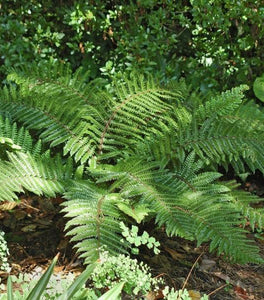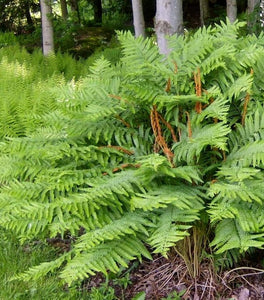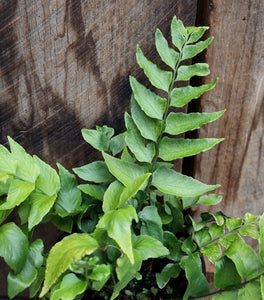




Images Depict Mature Plants
Autumn Brilliance Fern
Dryopteris erythrosora 'Brilliance'
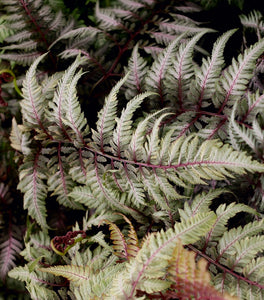
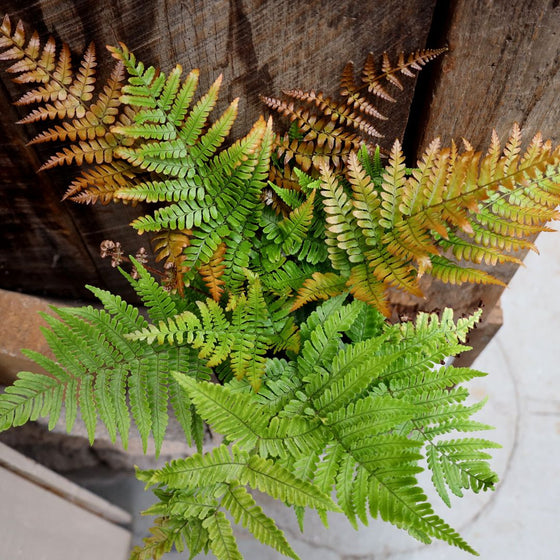
I've always liked Autumn Brilliance Fern because it gives you something that most people don't expect from a fern — beautiful copper-red and orange foliage instead of just green. When those new fronds begin coming up in spring, they almost seem to glow against the darker foliage of the surrounding plants. What makes the 'Brilliance' selection special is that the colorful new growth is more intense and lasts longer than the ordinary Autumn Fern. I particularly like planting it in groups of three or five along a shaded walkway or combining it with golden Hostas and dark purple Coral Bells. The contrast between those plants can really make a shade garden stand out. Another thing I appreciate is its high deer resistance, which is especially valuable in wooded neighborhoods where deer can be a constant problem. One thing I always recommend is keeping the soil consistently moist, especially during the first growing season. This fern will tolerate short dry periods once established, but it looks much better when it doesn't have to struggle for water. Give it some good woodland soil, protection from hot afternoon sun, and enough room to develop its graceful arching shape, and you'll have a dependable perennial that brings beautiful color and texture to the garden year after year.
$27.96 with code SAVINGS20 at checkout Save $6.99
FREE Ground Shipping on orders over $49.99
This weekend only - ends Mon 11/23 at 12 PM ET
📦 Free shipping on orders over $99.
Delay shipping by leaving us a message at Checkout.
Share:

Autumn Brilliance Fern – Brilliant Copper-Red Foliage for Beautiful Shade Gardens
Autumn Brilliance Fern Brings Brilliant Copper-Red Color to Shade Gardens
If you've ever wanted to add something more colorful than ordinary green foliage to a shady garden, Autumn Brilliance Fern is a plant worth getting to know. This attractive perennial fern produces brilliant copper-red, orange, and rosy-pink new fronds that brighten shaded landscapes just as the growing season begins. As the fronds mature, their warm colors gradually transition into a glossy, rich green, creating a beautiful combination of fresh copper-colored growth and established foliage. Unlike flowering perennials that depend on a short bloom period, Autumn Brilliance Fern provides ornamental interest through its foliage, making it a wonderful choice for gardeners who enjoy subtle but distinctive seasonal changes. Its finely divided leaves have a graceful, almost feathery appearance that adds texture and movement to shaded planting areas.
What makes this particular fern especially desirable is that 'Brilliance' produces stronger and longer-lasting spring coloration than the ordinary Autumn Fern. The copper and orange tones can remain noticeable well into the growing season, especially as additional fronds continue to emerge. Against dark mulch, woodland soil, or neighboring green foliage, the new growth seems to glow. I particularly like the way this fern adds warmth to locations that might otherwise appear dark or flat. Whether planted individually as an accent or repeated throughout a larger shade garden, Autumn Brilliance Fern creates an elegant, colorful landscape without needing direct sunlight or showy flowers. For homeowners looking for something distinctive, its combination of color, texture, and dependable perennial growth makes it an outstanding addition.
Colorful Spring Fronds Mature Into Glossy Green Foliage for Lasting Beauty
The seasonal transformation of Autumn Brilliance Fern is one of the most interesting things about this plant. In spring, tightly curled young fronds begin to unfurl, taking on vibrant copper-orange and reddish-pink hues. As these fronds expand, they develop a delicate, finely divided appearance, with individual leaflets arranged along graceful arching stems. Older fronds gradually become deep, glossy green, allowing the new copper-colored growth to stand out even more prominently. This creates a layered foliage display that changes naturally as the growing season progresses. The cultivar is particularly attractive when planted where morning or filtered light can illuminate its colorful foliage without exposing it to intense afternoon sunlight.
During summer, the mature green fronds form a beautiful backdrop for surrounding shade plants, while occasional new growth may add copper tones. In autumn, reddish or bronze-colored new foliage can sometimes appear again, although the most dramatic coloration generally occurs during spring. The plant also develops bright reddish-orange reproductive structures called sori on the undersides of fertile fronds. These structures contain the spore-producing organs used by ferns for reproduction and should not be confused with flowers or seeds. Unlike ordinary flowering perennials, Autumn Brilliance Fern produces no blossoms, so its ornamental value comes entirely from its changing foliage colors and graceful growth. This makes it an excellent choice for gardeners who want dependable foliage interest even when neighboring plants are between flowering periods.
Compact Arching Growth Makes Autumn Brilliance Fern Perfect for Shaded Borders
Autumn Brilliance Fern develops an attractive arching, vase-shaped clump that typically reaches approximately 18 to 24 inches tall and wide. Its growth habit gives the plant enough presence to stand out in a garden without overwhelming neighboring perennials or smaller shrubs. The fronds emerge from a central crown and gradually spread outward, creating a soft, layered appearance. This relatively compact size makes it particularly useful near the front or middle of shaded perennial beds, along woodland walkways, beneath high-canopy trees, and around partially shaded foundations. Its rich green mature foliage and colorful new fronds help connect different plants into a cohesive garden design.
When planted in groups, Autumn Brilliance Fern can create an impressive display of repeating copper-and-green foliage. For a natural woodland appearance, position several plants approximately 18 to 24 inches apart, allowing their arching fronds to develop and gradually fill the available space. The fern can slowly enlarge through short underground rhizomes, but it does not normally spread with the aggressive speed associated with some running fern species. This makes it easier to incorporate into mixed perennial borders where maintaining separation between plants is important. I especially like combining it with broadleaf Hostas, colorful Coral Bells, and Japanese Forest Grass, because their contrasting leaf shapes and colors emphasize the fern's fine texture. Used thoughtfully, Autumn Brilliance Fern helps make even a small shade garden look more established and professionally designed.
An Excellent Deer-Resistant Fern for Woodland Gardens and Shaded Landscapes
Autumn Brilliance Fern is especially valuable in landscapes where deer browsing makes it difficult to maintain attractive foliage plants. Like many ornamental ferns, this selection is generally considered highly deer-resistant and rabbit-resistant, although no plant is completely protected from hungry wildlife. Its foliage is usually less appealing to browsing animals than that of many tender flowering perennials, making it a useful addition to gardens where Hostas and other broadleaf plants are frequently damaged. For homeowners dealing with persistent browsing pressure, combining Autumn Brilliance Fern with other resistant shade plants can help create an attractive woodland planting with fewer wildlife-related maintenance problems. Its copper-colored spring growth also introduces ornamental interest without depending on flower buds that animals might remove.
The fern performs particularly well in woodland gardens, shaded courtyards, Japanese-inspired landscapes, and protected foundation beds. Its naturally arching fronds complement stone pathways, tree trunks, moss-covered accents, and shaded garden structures. Where soil remains moist and rich in organic matter, several plants can be grouped to create a soft, continuous foliage display. Autumn Brilliance Fern also tolerates the lower-light conditions beneath open tree canopies, although gardeners should remember that large trees can compete heavily for soil moisture. Providing supplemental watering during dry periods helps maintain healthy foliage. Once established, this plant is generally low-maintenance, adaptable, and dependable, giving homeowners an appealing way to bring color and texture to challenging shaded areas.
Evergreen to Semi-Evergreen Foliage Provides Extended Seasonal Interest
One of the advantages of Autumn Brilliance Fern is its ability to retain foliage through much of the year in suitable climates. In regions with relatively mild winters, the plant may remain evergreen, maintaining glossy green fronds through the colder months. In colder winter climates, it is more accurately described as semi-evergreen because some or all of its foliage may turn brown, flatten, or become damaged before spring. This difference is important when planning a shade garden. Homeowners in warmer growing zones can often enjoy an attractive green fern through winter, while gardeners in colder regions should expect the plant's appearance to vary according to temperature, snow cover, and exposure. The perennial crown survives winter within its recommended hardiness range and produces fresh growth as conditions improve.
For the best winter performance, plant Autumn Brilliance Fern in a sheltered location protected from drying winds and excessive winter sunlight. A layer of shredded leaves or organic mulch helps insulate the root zone and maintain more even soil moisture. Avoid piling mulch directly over the crown, where trapped moisture can create unfavorable conditions. As spring approaches, remove fronds that have become damaged or unattractive, making room for the spectacular new copper-colored foliage to emerge. There is no need to cut back healthy evergreen fronds simply because winter has ended. By preserving attractive foliage and removing only what is necessary, gardeners can enjoy a longer period of seasonal interest with very little pruning. This natural resilience makes Autumn Brilliance Fern an excellent choice for homeowners who prefer attractive landscapes without demanding maintenance schedules.
Create Beautiful Shade Garden Combinations With Autumn Brilliance Fern
Autumn Brilliance Fern is one of those plants that becomes even more attractive when paired with the right companions. Its copper-orange emerging foliage and finely textured green fronds create a beautiful contrast with the large, rounded leaves of Hostas and the colorful foliage of Coral Bells. Try combining it with golden Hostas, purple Heuchera, Japanese Forest Grass, or shade-loving Hellebores to create a layered planting that offers visual interest through multiple seasons. Golden foliage highlights the fern's warm copper tones, while purple and burgundy foliage provide a dramatic contrast. In larger woodland gardens, Autumn Brilliance Fern can be positioned beneath Azaleas, Rhododendrons, and other shade-adapted shrubs to create a natural transition between taller woody plants and lower-growing groundcovers.
This fern is also an excellent choice for shaded containers, covered porches, courtyard planters, and decorative patio arrangements. Its compact growth makes it suitable for mixed containers, provided the pot offers good drainage and the growing medium retains consistent moisture. Consider combining it with smaller Coral Bells or other foliage plants that appreciate similar conditions. Container-grown ferns generally require more frequent watering than those planted directly in the ground, especially during summer. Whether used in a formal container or a natural woodland border, Autumn Brilliance Fern performs best in partial to full shade with moist, organically rich soil. With the right growing conditions, its graceful shape and changing foliage colors provide a beautiful, long-lasting contribution to the garden.
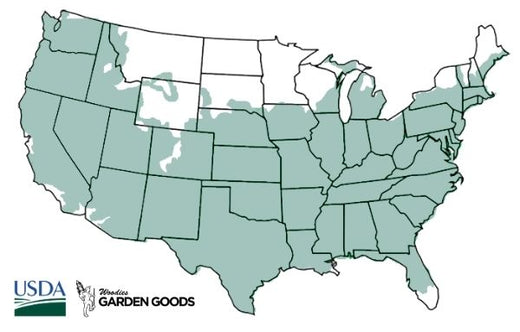
| Hardiness Zone: | 5-9 |
|---|---|
| Mature Height: | 18–24 inches; occasionally taller under ideal growing conditions |
| Mature Width: | 18–24 inches; potentially wider in favorable conditions |
| Sunlight: | Partial shade to full shade; tolerates limited morning sunlight |
| Soil | Moist, well-drained, organically rich loam; slightly acidic to neutral soil preferred |
| Water Requirements: | Moderate; consistent moisture during establishment; tolerates short dry periods once established |
| Bloom Time / Color | None; reproduces by spores, not flowers |
| Foliage | Copper-red and orange new growth transitioning to glossy dark green |
| Ornamental Features | Brilliant copper-red, orange, and rosy-pink new fronds; glossy dark green mature foliage; graceful arching growth; red sori on fertile fronds |
| Wildlife Value | May provide shelter for small garden invertebrates |
| Resistance | Deer, Rabbits, Heavy Shade, Moderate Drought Once Established; some tolerance of urban growing conditions; protect from drying winds and excessive fertilizer salts |
| Landscape Uses | Shade gardens, woodland gardens, Japanese gardens, shaded borders, foundation plantings, mass plantings, shaded containers, under-tree plantings, and pathway edging |
How to Care for Autumn Brilliance Fern
Be sure to read our planting instructions to ensure a healthy and happy Autumn Brilliance Fern for years to come!

How should I plant Autumn Brilliance Fern?
Plant Autumn Brilliance Fern in a location receiving partial shade, filtered sunlight, or full shade, preferably with protection from intense afternoon sun. This fern performs best in moist, well-drained soil containing plenty of organic matter, similar to the conditions found on a woodland floor. Before planting, loosen compacted soil and incorporate finished compost or leaf mold when appropriate to improve soil structure. Avoid locations where water collects for extended periods or where the soil becomes extremely dry during summer. When planting beneath mature trees, consider competition from established tree roots and provide additional water during the fern's first growing season. Dig a hole approximately twice as wide as the root ball and no deeper than its height. Carefully remove the fern from its nursery container and gently loosen any tightly circling roots. Place the plant with its crown level with the surrounding soil and backfill using the original soil, incorporating organic matter where needed. Water thoroughly to settle the soil around the roots. Apply approximately 2 inches of shredded leaf mulch or fine organic mulch, keeping it away from the crown to prevent moisture accumulation. For a natural woodland planting, space Autumn Brilliance Ferns about 18–24 inches apart so their mature fronds can develop into an attractive continuous display.

How often should I water Autumn Brilliance Fern after planting?
During its first growing season, Autumn Brilliance Fern requires regular watering to develop a healthy, established root system. The soil should remain consistently moist but not waterlogged. Check moisture by feeling the soil a few inches below the surface, and water thoroughly whenever the root zone begins to dry. In many garden soils, approximately 1 inch of water per week, including rainfall, can serve as an initial guideline, although sandy soil, hot temperatures, and growing beneath thirsty trees may require more frequent attention. Avoid repeated shallow watering, which can leave the deeper root zone insufficiently hydrated. Once established, Autumn Brilliance Fern becomes somewhat more tolerant of occasional dry conditions, but it generally looks its best when soil moisture remains reasonably consistent throughout the growing season. Extended drought may cause fronds to brown, curl, or become unattractive, particularly in hot locations. A layer of leaf mulch helps conserve moisture and keeps the root zone cooler during summer. When growing this fern in containers, check soil moisture more frequently because potting mixes often dry faster than garden soil. Never allow the container to stand continuously in water, since overly saturated conditions may damage the roots. Watering at the soil level rather than repeatedly wetting the foliage can also help maintain a cleaner, healthier appearance.

When should I fertilize Autumn Brilliance Fern?
Autumn Brilliance Fern generally requires very little supplemental fertilizer, particularly when planted in fertile woodland soil enriched with decomposing organic matter. In most established garden beds, applying a light layer of finished compost or leaf mold in early spring is sufficient to support healthy foliage growth. If a soil test indicates that additional nutrients are needed, apply a mild, balanced, slow-release fertilizer at a conservative rate according to the manufacturer's instructions. The ideal time for any necessary feeding is early spring as new growth begins, allowing the plant to use nutrients during its active growing season. Healthy ferns growing in naturally fertile soil may not need fertilizer at all. Avoid applying large amounts of concentrated fertilizer or repeatedly feeding with high-strength liquid products. Ferns can be sensitive to excessive soluble salts, which may damage roots and cause brown or scorched frond edges. Fertilizer should never be used as a substitute for proper moisture, drainage, or shade conditions. If the foliage appears stressed, check the soil moisture, exposure, and drainage before adding nutrients. Maintaining a consistent layer of decomposing organic mulch is often more beneficial than frequent fertilizer applications. For most homeowners, healthy soil and steady moisture are more important than an intensive feeding schedule.

When and how should I prune Autumn Brilliance Fern?
Autumn Brilliance Fern does not require traditional pruning because it is a non-flowering herbaceous fern rather than a woody shrub. Its maintenance primarily involves removing dead, damaged, or unattractive fronds. The best time for this cleanup is late winter or early spring, before new copper-red fiddleheads begin to unfurl. In colder climates, winter may cause older foliage to brown or collapse, making spring cleanup especially helpful. In mild climates where the fern remains evergreen, healthy green fronds can be retained until they naturally deteriorate. This preserves the plant's ornamental appearance for as long as possible. Use clean, sharp pruning shears to cut unwanted fronds close to the base without damaging the crown or emerging new growth. Avoid pulling old fronds forcefully, since this could disturb the plant's growing points. During the growing season, remove individual fronds that become broken, scorched, or severely damaged. Mature clumps may be divided in spring when needed for propagation or to create additional plantings. Carefully separate sections containing healthy crowns and roots, then replant them promptly and maintain consistent moisture. Avoid routinely cutting the entire plant to the ground, particularly in mild climates where attractive foliage may remain through winter.