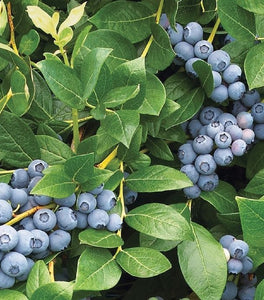


Images Depict Mature Plants
Adams Elderberry
Sambucus nigra subsp. canadensis ‘Adams’
Adams Elderberry is one of my favorite native shrubs for gardeners who want more than just a pretty plant. You get those big white flower clusters in early summer, followed by an impressive crop of dark berries that can be used for homemade jams, jellies, and syrups when properly prepared. I've always liked elderberries in larger edible gardens and naturalized borders because they're vigorous, productive, and valuable to wildlife. The one thing I would emphasize is pollination. If you're planting Adams because you want to harvest fruit, I strongly recommend adding John's Elderberry or another compatible variety nearby. Give both plants plenty of sun, consistent moisture, and room to grow, and you'll have a much better chance of producing the kind of harvest you're looking for.

15% Off Sitewide Sale!
Use Code 'SEASON15' At Checkout
📦 Free shipping on orders over $99.
Delay shipping by leaving us a message at Checkout.
Share:

A Productive Native Elderberry with Beautiful Flowers and Dark Summer Berries
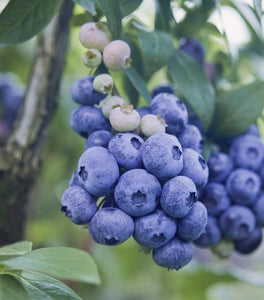
Large Clusters of Elderberries for Homegrown Fruit Harvests
Adams Elderberry is an excellent choice for homeowners who want a productive fruiting shrub that offers both ornamental beauty and a useful harvest. Botanically known as Sambucus canadensis ‘Adams’, this vigorous American Elderberry produces generous clusters of dark purple-black berries that ripen during late summer. Its large fruit clusters make it particularly appealing for edible landscapes, backyard fruit gardens, and gardeners interested in growing elderberries for homemade preserves.
The ripe berries are commonly used to prepare elderberry jelly, jam, syrup, juice, pies, and other cooked recipes. Adams is especially valued for its fruit-producing potential compared with many unnamed wild seedlings. For the best harvest, plant it with another compatible American Elderberry variety, such as John's Elderberry, to encourage cross-pollination. With adequate sunlight, moisture, and pruning, Adams Elderberry can become a productive part of the home fruit garden for years.
Beautiful White Summer Flowers That Attract Pollinators
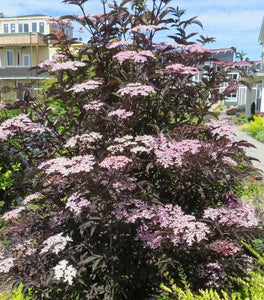
Before the berries develop, Adams Elderberry produces large, flattened clusters of small creamy-white flowers during late spring and early summer. These broad flower heads create an attractive display against the plant's lush green foliage, giving the shrub ornamental value even before fruit production begins. The flowers may have a light fragrance and are visited by various beneficial insects.
For gardeners interested in pollinator-friendly landscapes, the summer flowers provide an additional reason to grow Adams Elderberry. Their airy appearance complements native perennials, flowering shrubs, and naturalized garden plantings. After pollination, the flower clusters gradually develop into groups of berries that deepen from green to purple-black as they ripen. This transition from summer flowers to late-season fruit gives the shrub multiple seasons of interest.
Plant Adams Elderberry with John's for Better Fruit Production
One of the most important things to understand before purchasing Adams Elderberry is that fruit production improves when another compatible elderberry cultivar is planted nearby. Although American Elderberries may produce some fruit without a second variety, cross-pollination generally produces more dependable harvests and better overall yields. John's Elderberry is a particularly good companion because it has been recommended alongside Adams for pollination.
For homeowners establishing a productive elderberry planting, growing at least two compatible varieties is a smart investment. Position the shrubs approximately 60 feet apart, with adequate space for mature growth and airflow. When purchasing Adams specifically for harvesting berries, including a second elderberry variety helps create a more successful planting from the beginning.
A Vigorous Native Shrub for Edible Gardens and Wildlife Landscapes
Adams Elderberry grows into a substantial deciduous shrub, typically reaching 6 to 10 feet tall and 6 to 8 feet wide. Its vigorous, upright stems and attractive compound green leaves create a full, natural appearance that works beautifully in edible gardens, large mixed borders, informal hedges, and wildlife plantings. Unlike small fruit bushes that remain low to the ground, Adams offers enough height and presence to provide seasonal screening and structure.
As a cultivated selection of native American Elderberry, Adams also contributes ecological value. The flowers attract visiting insects, while ripe berries provide food for birds and other wildlife. Its natural spreading habit allows it to form substantial clumps, making it well-suited to larger naturalized areas and informal borders. Because it can produce new shoots from the roots, it allows for adequate growing space and the removal of unwanted suckers, helping maintain a more controlled landscape appearance.
Cold Hardy and Easy to Grow with Proper Moisture and Pruning
Adams Elderberry grows best in full sun to part shade, with abundant fruit production generally favored by sunny locations. It prefers fertile soil that remains consistently moist while draining reasonably well, but established plants tolerate a wider range of soil conditions than many traditional fruiting shrubs. Its adaptability makes it useful in moist garden beds, rain garden edges, and other locations where summer moisture is available.
For the healthiest long-term growth, water regularly during establishment and prune older canes during the dormant season. Adams Elderberry produces its strongest fruit crops on vigorous younger wood, particularly second-year canes, so selective renewal pruning helps maintain both productivity and an attractive shape. Hardy in cold climates and relatively straightforward to maintain, Adams is a rewarding fruiting shrub for homeowners who want a combination of edible harvests, native character, and wildlife value.
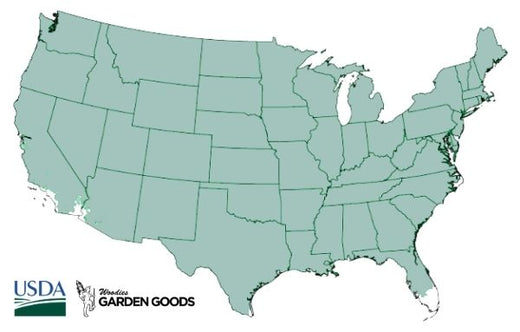
| Growth Zone: | 3-9 |
|---|---|
| Mature Height: | 6 to 10 feet |
| Mature Width: | 6 to 8 feet |
| Sunlight: | Full sun to part shade; strongest fruit production generally in full sun |
| Bloom Time / Color: | Late spring to early summer; creamy-white flowers |
| Soil Condition: | Fertile, moist, well-drained soil; tolerates occasional wet conditions |
| Water Requirements: | Consistent moisture during establishment and fruit development |
| Wildlife Value: | Flowers attract insects; berries provide food for birds and other wildlife |
| Resistance (deer/disease/drought/etc.): | Not reliably deer resistant; browsing may occur |
| Landscape Uses: | Edible gardens; native shrub borders; informal hedges; wildlife gardens; naturalized plantings; moist borders |
How to Care for Adams Elderberry
Be sure to read our planting instructions to ensure a healthy and happy Adams Elderberry for years to come!

How should I plant Adams Elderberry?
Plant Adams Elderberry in full sun to part shade, choosing a location with enough space for its vigorous mature growth. For homeowners interested primarily in berry production, full sun is generally the best choice because it encourages healthy flowering and fruit development. Select fertile soil that retains moisture but does not remain permanently waterlogged. Dig a planting hole approximately twice as wide as the root ball and no deeper than the container, then position the plant with the top of the root ball level with the surrounding soil. Backfill with native soil, water thoroughly, and apply a layer of organic mulch around the root zone while keeping it away from the stems. Space Adams Elderberry approximately 6 to 8 feet from neighboring shrubs to accommodate its mature growth. For improved berry production, plant another compatible American Elderberry cultivar, such as John's Elderberry, nearby. When planting multiple varieties, place them within approximately 60 feet of each other to encourage successful cross-pollination.

How often should I water Adams Elderberry after planting?
Water Adams Elderberry thoroughly immediately after planting, then maintain consistently moist soil while the root system establishes. Newly planted elderberries have relatively shallow root systems that can dry out quickly during hot weather. Check soil moisture regularly and water deeply whenever the upper few inches begin to dry. A layer of mulch helps conserve moisture and protects the roots from extreme temperature fluctuations. Once established, Adams Elderberry tolerates occasional periods of dryness, but consistent moisture remains important for healthy growth and fruit development. During flowering and berry ripening, prolonged drought can reduce fruit size and overall yield. Provide supplemental irrigation during extended dry periods, particularly when shrubs are producing heavy crops. Avoid severe fluctuations between dry soil and saturated conditions whenever possible.

When should I fertilize Adams Elderberry?
Adams Elderberry benefits from moderately fertile soil that supports healthy cane growth and fruit production. In early spring, apply a balanced slow-release fertilizer formulated for fruiting shrubs if soil conditions or plant growth indicate additional nutrients are needed. A soil test is the best way to determine whether supplemental fertilizer is necessary. A light application of compost around the root zone can also help improve soil structure and maintain moisture. Avoid excessive nitrogen fertilizer because it can encourage vigorous vegetative growth without a corresponding increase in berry production. Mature plants growing well in fertile soil may require only limited supplemental feeding. Proper pruning, adequate moisture, sunlight, and good cross-pollination are generally more important to successful fruit production than heavy fertilization.

When and how should I prune Adams Elderberry?
Prune Adams Elderberry in late winter while the shrub is dormant and before spring growth begins. Remove dead, damaged, diseased, and weak canes first, then selectively remove older stems to encourage vigorous new growth. American Elderberries typically produce their strongest fruit crops on second-year canes, so maintaining a healthy mixture of younger and productive stems is important for consistent harvests. For established plants, gradually remove canes that are more than three years old, allowing younger replacement shoots to develop. Avoid cutting the entire shrub to the ground every year when fruit production is the primary goal, because this can sacrifice the most productive second-year stems. If suckers appear beyond the desired planting area, remove them as needed to maintain an attractive shape and prevent the shrub from spreading into neighboring beds.