Images Depict Mature Plants
Karen Azalea
Rhododendron x 'Karen'
Karen Azalea is a good choice when you want a hardy evergreen azalea with softer lavender-purple color instead of the usual red or hot pink. It has the spring flower show homeowners expect from an azalea, but the glossy foliage and winter color help it keep earning its space after bloom. I would use it in groups along a foundation, near an entry, or in a filtered-sun border where the lavender flowers can really show. Give it acidic soil, even moisture, and prune only right after flowering if it needs shaping.
📦 Free shipping on orders over $99.
Delay shipping by leaving us a message at Checkout.
Share:

Karen Azalea Brings Hardy Lavender-Purple Spring Color to the Landscape
Lavender-Purple Blooms for Classic Spring Impact
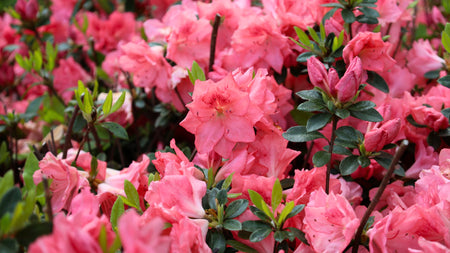
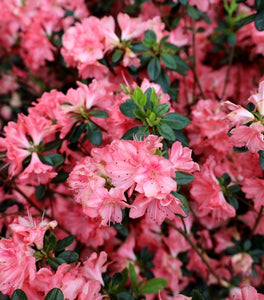
Karen Azalea is a hardy evergreen azalea grown for rich lavender-purple to lavender-pink spring flowers and dependable landscape performance. Its bright spring bloom display makes it a strong choice for homeowners who want cool-toned color near foundations, walkways, shaded borders, and front-yard planting beds.
The flowers appear in spring and cover the shrub with showy color as the garden comes back to life. Use Karen Azalea where you want the look of a traditional evergreen azalea, with a softer lavender-purple color rather than bright red, white, or hot pink. It gives spring beds a polished, established feel without needing a large footprint.
A Hardy Gable Hybrid Azalea With Evergreen Foliage
Karen Azalea is part of the Gable hybrid azalea group, known for hardiness, reliability, and strong garden performance. It is especially valued for its hardiness, making it useful in landscapes where winter durability matters.
The foliage is glossy green through the growing season and can develop copper, red, burgundy, or bronzy tones in fall and winter. That seasonal foliage shift adds interest after the spring flowers fade, helping Karen Azalea serve as more than a one-week-bloom plant. It brings evergreen structure, winter color, and spring flowers in one compact shrub.
Compact Structure for Foundations, Borders, and Hedges
Karen Azalea typically grows about 3 to 4 feet tall and wide, with some retail descriptions listing a slightly wider mature spread. Its upright, dense, compact habit makes it easy to use in foundation plantings, mixed borders, low hedges, woodland edges, and container gardens.
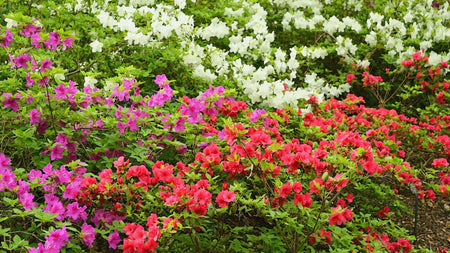
Plant Karen Azalea in groups for the strongest effect. A single plant adds color, but a grouping creates a more memorable spring display. It also pairs beautifully with boxwood, hollies, camellias, rhododendrons, mountain laurel, hydrangeas, Japanese maples, ferns, hostas, hellebores, heuchera, carex, and other acid-loving shade companions.
Best in Acidic, Moist, Well-Drained Soil
Karen Azalea grows best in acidic, humus-rich, moist, well-drained soil. Like other azaleas, it has shallow roots and does not like heavy, wet soil, poor drainage, or alkaline conditions. If soil pH is too high, foliage can yellow, and the plant may struggle to take up nutrients.
Plant slightly high, mulch well, and keep the root zone evenly moist during establishment. Pine bark, pine needles, shredded leaves, or other organic mulch can help keep roots cool and protect soil moisture. Avoid planting in compacted clay or low areas where water sits after rain.
Filtered Sun and Part Shade Keep Plants Looking Their Best
Karen Azalea performs best in part shade to filtered sun. Morning sun with afternoon shade is ideal in many home landscapes because it encourages bloom while protecting the foliage from hot afternoon stress. Bright shade beneath high-canopy trees can also work well if the roots do not have to compete too heavily for moisture.
Prune only if needed, and do it right after flowering. Azaleas set their next round of flower buds after spring bloom, so late summer, fall, or winter pruning can reduce next year’s flowers. With the right soil, light, mulch, and watering, Karen Azalea becomes a reliable spring-blooming evergreen for years of landscape color.
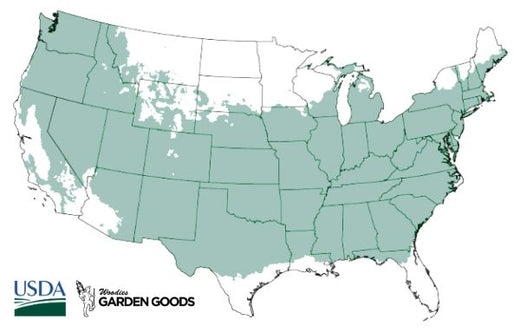
| Hardiness Zone: | 5-8 |
|---|---|
| Mature Height: | 3 to 4 feet |
| Mature Width: | 3 to 4 feet |
| Sunlight: | Part shade to filtered sun; morning sun with afternoon shade is ideal |
| Soil | Acidic, humus-rich, moist, well-drained soil |
| Water | Keep evenly moist during establishment; avoid soggy soil |
| Bloom Time / Color | Spring; lavender-purple to lavender-pink flowers |
| Foliage | Glossy green foliage with copper, burgundy, red, or bronzy fall and winter tones |
| Ornamental Features | Lavender-purple spring flowers, evergreen foliage, winter foliage color, hardy Gable hybrid performance, foundation value |
| Wildlife Value | Flowers may attract hummingbirds, butterflies, bees, and other pollinators |
| Resistance | Hardy and reliable; deer resistance is low to variable because azaleas can be browsed |
| Landscape Uses | Foundations, borders, low hedges, containers, woodland edges, shade gardens, mixed shrub beds, front-yard plantings |
How to Care for Karen Azalea
Be sure to read our planting instructions to ensure a healthy and happy Karen Azalea plant for years to come!
-v1784302865864.png?92x91)
How should I plant Karen Azalea?
Plant Karen Azalea in part shade to filtered sun with acidic, humus-rich, well-drained soil. Morning sun with afternoon shade is ideal for strong flowering and healthy foliage. Avoid hot, exposed sites, compacted soil, alkaline soil, and low areas where water collects. Dig a hole two to three times wider than the root ball and about the same depth as the container. Set the top of the root ball level with or slightly above the surrounding soil, backfill with native soil improved with organic matter if needed, water deeply, and mulch the root zone while keeping mulch away from the stems.
-v1784303281304.png?89x84)
How often should I water Karen Azalea after planting?
Water Karen Azalea deeply after planting and keep the soil evenly moist during the first growing season. Azaleas have shallow roots, so they can dry out quickly during heat, wind, and dry weather. Check soil moisture regularly and water when the top few inches begin to dry. Once established, Karen Azalea still performs best with consistent moisture, especially during summer heat and fall bud development. Avoid both extremes: do not let the root ball dry out completely, and do not keep the roots in soggy soil. Mulch helps protect the shallow root system and conserve moisture.
-v1784303286403.png?90x89)
How Do I Plant My Karen Azalea Shrub?
Fertilize Karen Azalea in spring after flowering with a fertilizer formulated for acid-loving plants such as azaleas, rhododendrons, camellias, and hollies. If the soil is already fertile and the plant is growing well, a light annual feeding or compost topdressing may be enough. Avoid heavy fertilizing late in the season because it can encourage tender growth before winter. Do not apply lime around azaleas, and consider a soil test if foliage yellows or growth is weak. Soil pH, drainage, moisture, and mulch are just as important as fertilizer.

When and how should I prune / cut back Karen Azalea?
Prune Karen Azalea right after flowering if shaping is needed. This timing is important because azaleas form next year’s flower buds after the spring bloom period. Pruning too late in summer, fall, or winter can remove those buds and reduce the next spring bloom display. Use clean pruners to remove dead, damaged, crossing, or overly long branches. Karen Azalea has a naturally compact habit, so light selective pruning is usually better than heavy shearing. If you are using it as a low hedge, trim lightly right after bloom and avoid cutting deeply into old bare wood.