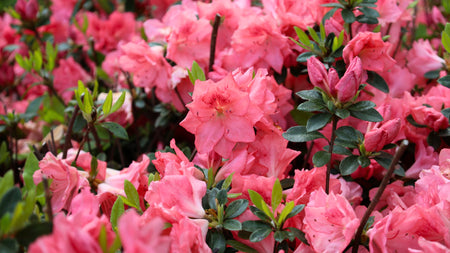
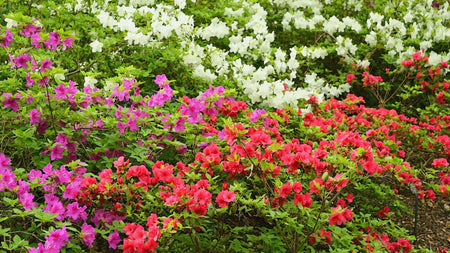
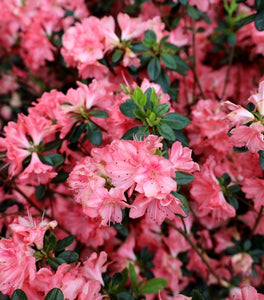
Images Depict Mature Plants
Conversation Piece Azalea
Rhododendron ‘Conversation Piece’
Conversation Piece is the azalea I would show customers when they want something with personality. The flowers do not always follow one exact pattern, and that is the point: pink, white, fuchsia, freckles, splashes, and bicolor blooms can all show up on the same mature plant. I like it near patios, front walks, or entries where people can actually see the bloom detail. Give it filtered light, acidic soil, even moisture, and a little patience if a young plant starts out with less color variation than expected.
📦 Free shipping on orders over $99.
Delay shipping by leaving us a message at Checkout.
Share:


Conversation Piece Azalea Creates a Multicolor Spring and Fall Flower Show
A Multicolor Azalea That Lives Up to Its Name
Conversation Piece Azalea is an evergreen Robin Hill hybrid azalea known for large, ruffled flowers that can appear in several colors on the same plant. Blooms may be dark pink, pale pink, nearly white, speckled, splashed, or bicolor with magenta freckles and darker pink markings.
That flower variation is what makes this azalea so memorable. Instead of one flat bloom color, Conversation Piece creates a lively, painterly display that can change from flower to flower and season to season. It is a strong choice near entries, patios, walkways, and foundation beds where the unique flower detail can be enjoyed up close.
Spring Blooms With a Chance for Fall Color
Conversation Piece Azalea blooms heavily in spring and can rebloom again in fall when conditions are favorable. As a Robin Hill hybrid, it belongs to a group of azaleas known for multi-season flowering, large blooms, compact growth, and strong garden performance.
This is not an Encore® Azalea, but it can still provide a valuable second season of color. Spring bloom is usually the main show, while fall rebloom may vary depending on climate, plant maturity, pruning, and weather. For homeowners who want something more unusual than a standard spring-only azalea, Conversation Piece offers extra seasonal excitement.
Compact Evergreen Structure for Foundations and Borders
Conversation Piece Azalea typically grows about 3 to 5 feet tall and 3 to 5 feet wide, with a compact, low, mounding to upright habit. Its size makes it useful for foundation plantings, mixed borders, low hedges, patio plantings, woodland edges, and larger containers.
The evergreen foliage helps the shrub stay useful after the flowers fade. Its green leaves provide year-round structure in mild climates and help anchor shaded or partially shaded beds. Use Conversation Piece in groups for a stronger color statement, or plant it as a specimen where the unusual bloom variation can become a focal point.
Best in Filtered Light and Acidic Soil
Conversation Piece Azalea grows best in part sun to part shade, especially morning sun with afternoon shade or bright filtered light. Too much hot afternoon sun can stress the foliage, while too much deep shade may reduce flowering. A protected, bright location is usually the sweet spot.
Like other azaleas, Conversation Piece needs acidic, organic-rich, moist, well-drained soil. It does not like heavy wet soil, compacted ground, or alkaline conditions. Mulch with pine bark, pine needles, shredded leaves, or another organic mulch to keep the shallow root zone cool, evenly moist, and protected.
Low-Maintenance Beauty With Helpful Bloom Expectations
Conversation Piece Azalea is easy to enjoy when planted in the right spot. Water regularly during establishment, fertilize lightly after bloom with an acid-loving plant fertilizer if needed, and prune only right after flowering. Late pruning can remove flower buds and reduce the next bloom cycle.
Young Conversation Piece Azaleas may produce fewer color variations at first, and some young plants may bloom mostly in one color. As the plant matures, the flower variation often becomes more noticeable. This natural mix of pink, white, fuchsia, speckling, and bicolor blooms is part of the charm of this cultivar.
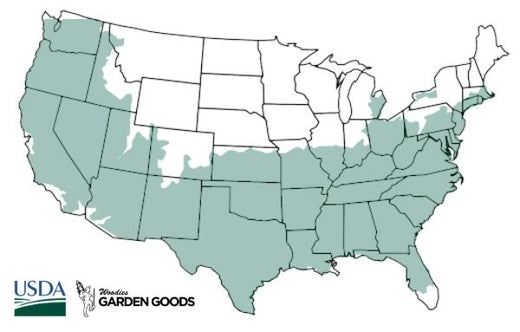
| Hardiness Zone: | 6-9 |
|---|---|
| Mature Height: | 3 to 5 feet |
| Mature Width: | 3 to 5 feet |
| Sunlight: | Part sun to part shade; morning sun with afternoon shade or filtered light is ideal |
| Soil | Acidic, organic-rich, moist, well-drained soil |
| Water | Water regularly until established; keep evenly moist but not soggy |
| Bloom Time / Color | Spring with fall rebloom possible; pink, pale pink, white, fuchsia, dark pink, speckled, and bicolor blooms |
| Foliage | Green to dark green evergreen foliage |
| Ornamental Features | Multicolor flowers, ruffled blooms, speckled petals, spring and fall bloom potential, compact evergreen habit |
| Wildlife Value | Flowers may attract hummingbirds, butterflies, bees, and other pollinators |
| Resistance | Heat and humidity tolerant in suitable regions; deer resistance is low to variable because azaleas can be browsed |
| Landscape Uses | Foundations, mixed borders, low hedges, containers, patios, woodland edges, shade gardens, entry plantings, specimen accents |
How to Care for Conversation Piece Azalea
Be sure to read our planting instructions to ensure a healthy and happy Conversation Piece Azalea for years to come!

How should I plant Conversation Piece Azalea?
Plant Conversation Piece Azalea in part sun to part shade with acidic, organic-rich, well-drained soil. Morning sun with afternoon shade or all-day filtered light is ideal. Avoid hot, exposed sites, compacted soil, alkaline soil, and low areas where water collects around the roots. Dig a hole two to three times wider than the root ball and about the same depth as the container. Set the top of the root ball level with or slightly above the surrounding soil, backfill with native soil improved with organic matter if needed, water deeply, and mulch the root zone while keeping mulch away from the stems.
-v1784305899681.png?89x84)
How often should I water Conversation Piece Azalea after planting?
Water the Azalea deeply after planting and keep the soil evenly moist during the first growing season. Azaleas have shallow roots, so they can dry out quickly in hot, windy, or dry weather. Check soil moisture regularly and water when the top few inches begin to dry. Once established, Conversation Piece Azalea still performs best with consistent moisture, especially during summer heat and fall bud development. Avoid letting the root ball dry out completely, but do not keep the soil soggy. Mulch helps protect the shallow root system and conserve moisture.

When should I fertilize Conversation Piece Azalea?
Fertilize Conversation Piece Azalea in spring after the main bloom period with a fertilizer formulated for acid-loving plants. If the plant is growing well and the soil is healthy, a light annual feeding or compost topdressing may be enough. Avoid heavy fertilizing late in the season because it can encourage tender growth before winter. Do not apply lime around azaleas. If foliage yellows or growth is weak, test the soil pH before adding fertilizer, because alkaline soil can limit nutrient uptake.

When and how should I prune / cut back Conversation Piece Azalea?
Prune Conversation Piece Azalea right after the spring bloom period if shaping is needed. This timing helps protect the next round of flower buds. Avoid heavy pruning in late summer, fall, or winter because it can reduce future flowering. Use clean pruners to remove dead, damaged, crossing, or overly long branches. Conversation Piece has a naturally compact habit, so light selective pruning is usually better than hard shearing. If you are growing it as a hedge, trim lightly after bloom and avoid cutting deeply into old bare wood.