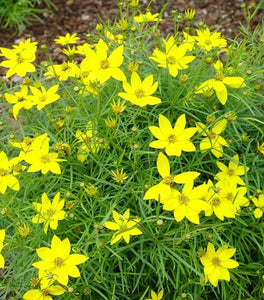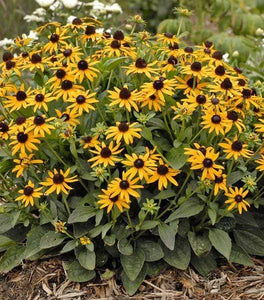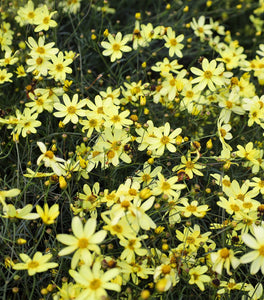


Images Depict Mature Plants
Jethro Tull Coreopsis
Coreopsis 'Jethro Tull' PP18789
I've always liked Coreopsis because it brings such cheerful summer color to the garden, but Jethro Tull Coreopsis has a flower shape that makes me stop and take a second look. Instead of the flat petals you expect from a typical yellow tickseed, the petals curl into narrow little tubes, giving the flowers a sculpted, almost trumpet-like appearance. That makes this cultivar especially interesting when you see it up close. I particularly like using Jethro Tull near the front of a sunny border, where the flower details won't get lost among taller plants. Pair it with purple salvia, blue catmint, or a small ornamental grass, and those golden-yellow blooms really stand out. The plant stays relatively compact, so it's useful in smaller gardens and containers as well. The one thing I'd emphasize is good drainage, particularly through winter. This cultivar has shown some winter-survival challenges in trial settings, so I wouldn't plant it in a low, wet spot and expect the best results. Give it plenty of sun, avoid overwatering, and remove faded flowers to encourage continued blooming. For gardeners who want something more unusual than a standard yellow Coreopsis, Jethro Tull is definitely worth considering.
$26.36 with code SAVINGS20 at checkout Save $6.59
📦 Free shipping on orders over $99.
Delay shipping by leaving us a message at Checkout.
Share:Recommended Add-Ons



Jethro Tull Coreopsis – Unique Golden-Yellow Flowers with Charming Fluted Petals
Add Extraordinary Golden-Yellow Flowers to Sunny Gardens
Jethro Tull Coreopsis brings a playful, distinctive appearance to the summer garden with bright golden-yellow flowers featuring unusual fluted petals. Unlike traditional tickseed varieties with flat, daisy-like petals, this compact perennial produces flowers whose outer petals curl into narrow, trumpet-like shapes. The result is a cheerful, sculpted flower that immediately catches the eye and adds unexpected character to sunny borders, cottage gardens, and mixed perennial plantings. Its saturated golden color provides the familiar warmth gardeners appreciate in Coreopsis, while its flower shape feels entirely different from ordinary yellow daisies.
The plant forms an attractive, compact mound of green foliage, allowing its flowers to stand prominently above the leaves without requiring a large planting area. Its manageable size and vibrant summer blooms make it particularly useful near the front of perennial borders, along walkways, and in decorative garden containers. Plant several together to create a stronger display of golden color, or combine Jethro Tull with purple and blue summer flowers for a contrasting composition. With its striking flower form and relatively straightforward care requirements, Jethro Tull Coreopsis is a wonderful choice for gardeners who want familiar summer color with a more unusual ornamental twist.
Discover the Distinctive Fluted Petals of Jethro Tull Coreopsis
The most recognizable feature of Jethro Tull Coreopsis is its remarkable flower structure. Golden-yellow petals curl inward to form slender, tubular shapes, creating a miniature trumpet-like appearance around the darker central portion of the flower. This gives each bloom a textured, architectural quality that stands apart from the flat petals of most familiar Coreopsis varieties. The tubular petals are especially appealing when viewed up close, making Jethro Tull an excellent choice for garden borders near patios, walkways, and outdoor seating areas where gardeners can appreciate their unusual details.
The cultivar was developed by crossing two established Coreopsis selections, combining desirable flowering characteristics with a compact growth habit. The distinctive fluted form is the primary ornamental trait, although individual flowers may show some natural variation in the degree of petal rolling. This does not diminish the plant's appeal; instead, it contributes to the lively appearance of the flowering display. Pair Jethro Tull with plants that have contrasting flower forms, such as upright salvia, rounded coneflowers, or airy ornamental grasses. Its unusual flower shape creates interest even in gardens already filled with yellow-flowering perennials.
Enjoy Cheerful Summer Color with a Long-Blooming Tickseed
Jethro Tull Coreopsis offers bright golden-yellow flowers from late spring into summer, with additional blooms possible when growing conditions are favorable and spent flowers are removed. The flowers rise above the plant's compact foliage on slender stems, creating a colorful display that works beautifully in sunny garden beds. Its cheerful coloring pairs easily with purple, blue, red, and white flowering perennials, making it useful in both informal cottage gardens and more structured landscape designs.
For the most consistent display, provide at least six hours of direct sunlight daily and well-drained soil. Removing faded flower heads can help maintain a tidy appearance and encourage continued flowering. After the main flowering period, lightly shearing tired stems may stimulate fresh growth and additional blooms, although results depend on weather and plant vigor. In regions with challenging winter conditions, maintaining good drainage is particularly important for the persistence of perennials. By combining appropriate growing conditions with occasional grooming, gardeners can enjoy a bright, attractive summer display without a demanding maintenance routine.
Create Beautiful Borders with a Compact Mounding Perennial
Jethro Tull Coreopsis has a compact, upright-to-mounding growth habit that makes it easy to incorporate into smaller gardens and detailed landscape designs. Garden-grown plants commonly reach approximately 12 to 18 inches tall, with spread varying according to growing conditions. Its foliage forms an attractive base beneath the flowers, creating a balanced appearance that works particularly well near the front of a sunny border. Unlike taller, more sprawling perennials, Jethro Tull can provide substantial flower color without overwhelming neighboring plants.
Use Jethro Tull as an edging perennial, a repeated accent, or a cheerful container plant. When planted in groups, the golden flowers create a stronger visual impact and help establish continuity through the garden. Its compact habit is particularly appealing alongside low-growing catmint, salvia, yarrow, and smaller ornamental grasses. Allow sufficient space for air movement and avoid overcrowding plants with vigorous neighboring perennials. Its relatively modest mature size and distinctive flower form make it especially valuable for homeowners who want a colorful summer perennial that fits comfortably into an established landscape.
Bring Pollinator Interest to Sunny Perennial Plantings
Coreopsis flowers are valued in pollinator-oriented gardens, and Jethro Tull can contribute summer floral resources for visiting insects. Its bright yellow flowers create an attractive display for gardeners while potentially providing nectar and pollen to bees and other flower-visiting insects. The plant is particularly useful when incorporated into a diverse planting containing several flower shapes and bloom periods. Because its tubular ray petals differ from those of typical Coreopsis, specific pollinator benefits should not be assumed to be identical across all cultivars.
For a more complete pollinator garden, combine Jethro Tull with coneflowers, salvia, yarrow, black-eyed Susans, and late-season asters. These companion plants provide contrasting flowers and help extend the availability of blooms throughout the growing season. A grouping of several Jethro Tull plants can create a concentrated display of yellow color while supporting the overall diversity of the planting. Avoid unnecessary pesticide applications during flowering, particularly when beneficial insects are active. A varied perennial border offers more ecological value than relying on a single flowering plant, and Jethro Tull can contribute a distinctive ornamental element to that design.
Enjoy Deer-Resistant Color in Sunny Landscapes
Jethro Tull Coreopsis is generally considered deer resistant, making it a useful selection for homeowners who experience occasional browsing damage in perennial gardens. Its foliage is typically less attractive to deer than that of many tender garden plants, although browsing pressure varies with location and season. The plant's compact growth and cheerful golden-yellow flowers make it particularly appealing in sunny borders where gardeners want colorful perennial options that deer are less likely to damage.
No ornamental plant is completely deer-proof, and hungry deer may occasionally sample plants they ordinarily avoid. Nevertheless, Jethro Tull is a practical choice for deer-prone landscapes when combined with other generally resistant perennials such as catmint, salvia, yarrow, and many ornamental grasses. Its modest size allows it to fill spaces between larger flowering plants without creating a crowded appearance. Gardeners should also remember that healthy growth depends on full sun and good drainage, since resistance to browsing does not eliminate the need for appropriate cultural conditions.
Grow Jethro Tull Coreopsis Successfully with Excellent Drainage
Jethro Tull Coreopsis performs best in full sun and well-drained garden soil, making it suitable for sunny perennial borders, raised beds, and locations that do not remain wet after rainfall. The plant generally tolerates average soil fertility and does not require heavy fertilization. In fact, overly rich soil can encourage excessive leafy growth at the expense of a compact, flower-filled appearance. A moderate watering schedule during establishment helps plants develop roots, while established plants can tolerate occasional dry periods when the soil drains freely.
Winter drainage deserves particular attention with this cultivar. Although Jethro Tull is marketed as a hardy perennial, independent garden trials have reported inconsistent overwintering performance under some conditions. Avoid heavy, saturated soil and low spots where water collects during winter. Raised planting areas or improved drainage may be especially helpful in regions with wet winters. Remove damaged foliage in early spring and evaluate plant vigor as new growth begins. By choosing the right planting site, gardeners give Jethro Tull Coreopsis the best opportunity to provide its unusual golden flowers for successive growing seasons.
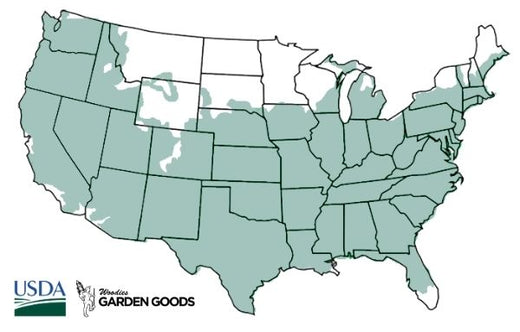
| Hardiness Zone: | 5-9 |
|---|---|
| Mature Height: | Typically 12 to 18 inches |
| Mature Width: | Approximately 12 to 24 inches; varies by growing conditions |
| Sunlight: | Full sun |
| Soil | Average to lean; well-drained |
| Water | Moderate during establishment; less frequent once established |
| Bloom Time / Color | Late spring through summer; rebloom possible after deadheading |
| Ornamental Features | Golden-yellow fluted flowers; sculpted petal shape; compact habit |
| Wildlife Value | Attracts bees, butterflies, and other pollinators; seed heads may support birds |
| Resistance | Generally deer resistant; not deer-proof |
| Landscape Uses | Sunny borders; edging; containers; cottage gardens; mixed perennial beds |
How to Care for Jethro Tull Coreopsis
Be sure to read our planting instructions to ensure a healthy and happy Jethro Tull Coreopsis for years to come!

How should I plant Jethro Tull Coreopsis?
Plant Jethro Tull Coreopsis in full sun with at least six hours of direct sunlight daily. Choose a site with well-drained soil, avoiding low areas where rainwater collects or the ground stays wet during winter. Dig a hole approximately twice as wide as the root ball but no deeper, loosen compacted surrounding soil, and position the plant with its crown level with the ground. Backfill carefully and water thoroughly to settle the soil around the roots. For grouped plantings, space Jethro Tull Coreopsis approximately 14 to 18 inches apart, allowing adequate airflow and room for its mature growth. This compact perennial works beautifully near the front of sunny borders, along walkways, and in decorative containers. If your soil is heavy clay or drains poorly, consider a raised bed or another location with better drainage. Avoid burying the crown beneath excessive soil or mulch, since prolonged moisture around the plant can contribute to decline.

How often should I water Jethro Tull Coreopsis after planting?
Water Jethro Tull Coreopsis thoroughly after planting and keep the root zone moderately moist while the plant establishes. Check moisture regularly during the first growing season, particularly during hot, windy, or dry weather. Water deeply when the upper portion of the soil becomes dry, allowing excess moisture to drain away. Avoid applying small amounts of water so frequently that only the surface remains wet. Once established, Jethro Tull Coreopsis can tolerate occasional dry periods, but its flowering and overall appearance benefit from supplemental watering during extended drought. Allow the soil to dry somewhat between applications rather than keeping it continuously saturated. Container-grown plants require more frequent monitoring. Well-drained soil is especially important during winter, when cold, wet conditions may reduce the plant's ability to return successfully the following spring.

When should I fertilize Jethro Tull Coreopsis?
Fertilize Jethro Tull Coreopsis sparingly in early spring if soil fertility is low or growth appears weak. In average garden soil, the plant may perform well without additional fertilizer. A light application of compost or balanced, slow-release fertilizer is generally sufficient when feeding is needed. Avoid enriching the planting area excessively, since Coreopsis typically performs best with moderate fertility. Too much nitrogen can encourage leafy growth and reduce the compact, flower-heavy habit that makes this cultivar appealing. Follow fertilizer label directions and avoid repeated heavy applications. Good sunlight, appropriate moisture, and excellent drainage usually contribute more to performance than frequent feeding. If the plant is growing well and producing attractive flowers, additional fertilizer may provide little benefit.

When and how should I prune Jethro Tull Coreopsis?
Remove spent flowers from Jethro Tull Coreopsis during the flowering season to maintain an attractive appearance and encourage additional blooming. Use clean pruners to cut faded flower stems back to healthy foliage or developing buds. After the first major flush of flowers, lightly shear the plant if it becomes open or leggy. This can encourage fresh growth and may produce another flowering period when weather conditions remain favorable. After frost has ended the growing season, remove dead or damaged stems, or leave some standing until early spring if you prefer a less manicured winter garden. Cut remaining dead growth back before new shoots emerge. As the plant matures, divide healthy clumps if their centers become crowded or flowering declines. Avoid severe pruning immediately before cold weather, when new tender growth may be vulnerable to frost.